Acciaio armato caldo: Tutto quello che devi sapere
Acciaio armato caldo: Tutto quello che devi sapere
Hot rolled steel is a staple in the industrial world, widely used across various sectors for its versatility, durabilità, ed efficienza in termini di costi. Whether you’re in construction, automotive manufacturing, or metal fabrication, understanding hot rolled steel is crucial for selecting the right material for your project.
What is Hot Rolled Steel?
Hot rolled steel is steel that has been processed at high temperatures, typically above 1,700°F (927°C), which is above the recrystallization point of steel. This process makes the steel easier to shape and form into large pieces, resulting in products with a range of applications.
How is Hot Rolled Steel Made?
- Riscaldamento:
Steel slabs or billets are heated to extremely high temperatures. - Rotolamento:
The heated steel is passed through rollers, shaping it into the desired thickness and size. - Raffreddamento:
The steel is cooled at room temperature, which gives it its characteristic scaled surface. - Cutting and Coiling:
The finished steel is cut into sheets or coiled for transportation.
Key Features of Hot Rolled Steel
- Finitura superficiale:
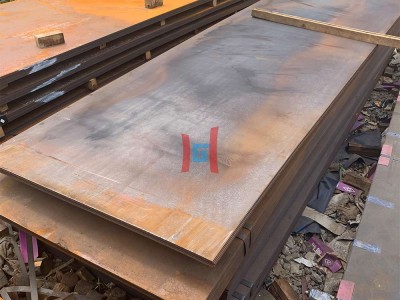
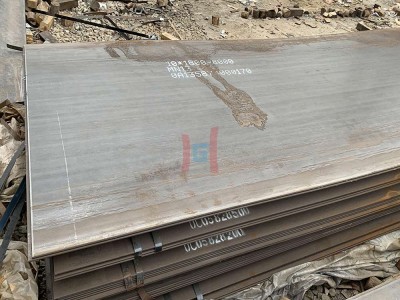
The cooling process leaves a rough, scaly surface. This makes it less suitable for cosmetic applications unless further processing is done. - Dimensional Tolerances:
Because the steel cools naturally, there may be slight variations in size and shape, making it less precise than cold rolled steel. - Efficacia in termini di costi:
Hot rolling is simpler and more economical, resulting in lower production costs. - Strength and Workability:
The high-temperature process reduces internal stresses, making the steel more malleable and ideal for structural applications.
Applications of Hot Rolled Steel
Hot rolled steel is used in industries where precise dimensions are less critical, but strength and durability are essential:
- Costruzione:
- Beams, columns, and other structural components.
- Rail tracks and bridges.
- Automobilistico:
- Frames and other heavy-duty parts.
- Metal Fabrication:
- Welded tubes, tubi, and tanks.
- Attrezzatura industriale:
- Machinery parts and heavy equipment components.
- Agriculture:
- Equipment such as plows and trailers.
Hot Rolled Steel vs. Cold Rolled Steel
| Caratteristica | Acciaio armato caldo | Cold Rolled Steel |
|---|---|---|
| Finitura superficiale | Rough, scaly | Smooth and polished |
| Dimensional Precision | Less precise | Highly precise |
| Costo | More affordable | Higher cost |
| Lavorabilità | Easier to work with | Harder but more robust |
| Applicazioni | Structural and heavy-duty parts | Cosmetic and precision products |
Advantages of Hot Rolled Steel
- Cost-Effective: Lower processing costs make it affordable.
- Versatile: Suitable for a variety of industries and applications.
- Alta resistenza: Retains strength for heavy-duty applications.
- Ease of Use: Easier to weld, curva, and cut compared to cold rolled steel.
Disadvantages of Hot Rolled Steel
- Surface Imperfections: Requires additional finishing for aesthetic purposes.
- Less Precision: Not ideal for projects needing tight tolerances.
Conclusione
Hot rolled steel remains a key material in industries that prioritize strength and affordability over surface finish and precision. While it may require additional finishing for certain applications, its versatility and cost-effectiveness make it indispensable for structural and industrial projects.
For businesses and professionals, understanding the benefits and limitations of hot rolled steel ensures better material selection, saving time and cost while achieving desired results.
Whether you’re building bridges, manufacturing equipment, or fabricating metal structures, hot rolled steel is a dependable choice for robust, large-scale applications.
Teda Ganghua Metallo -18anni
Fornire prodotti professionali resistenti all'usura
Fornitore resistente all'usura
Portare le specifiche dettagliate a contattami se avete bisogno
Abbiamo alta qualità e prezzi ragionevoli