- Descrizione
Carbide Wear Plate: High-Chromium vs Low-Chromium Overlay Composition Comparison
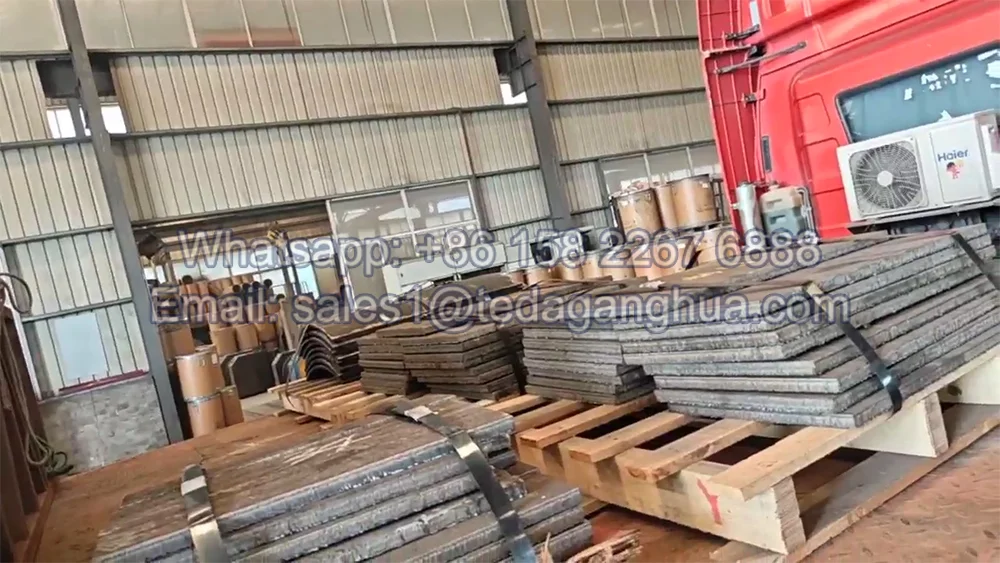
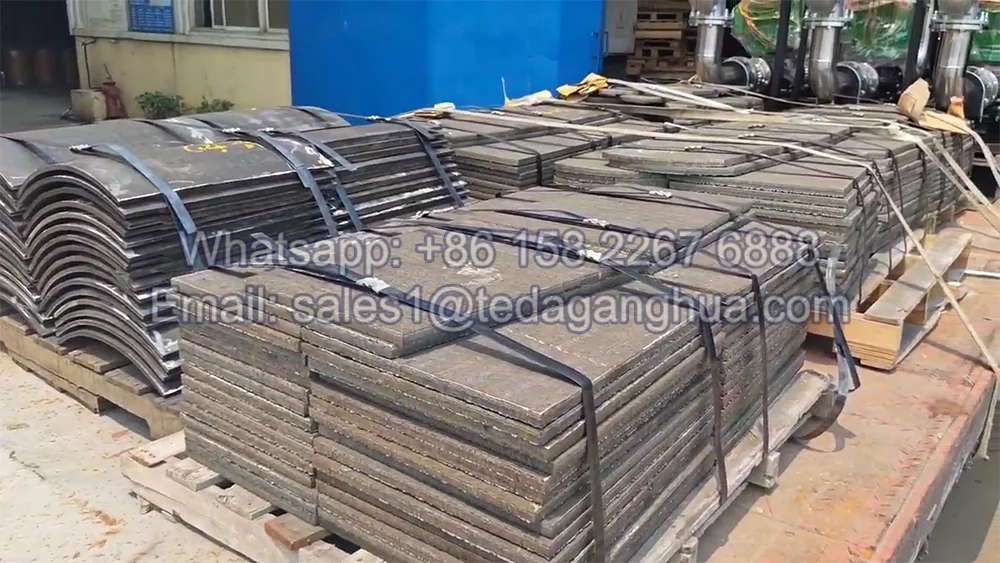
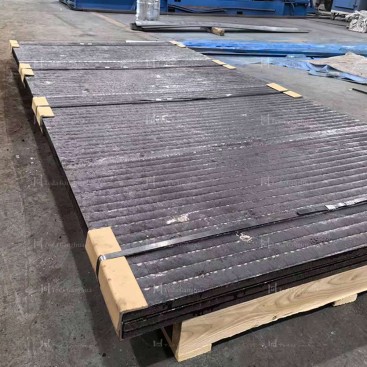
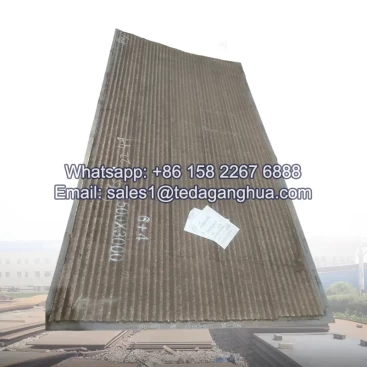
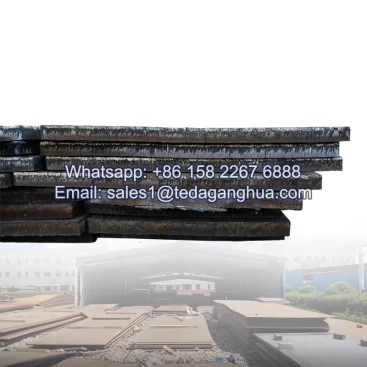
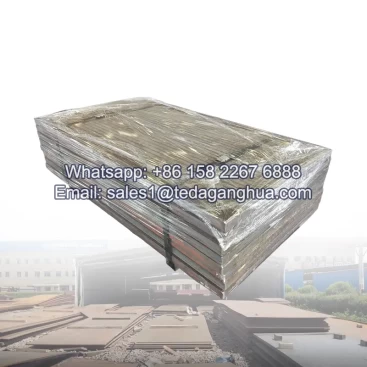
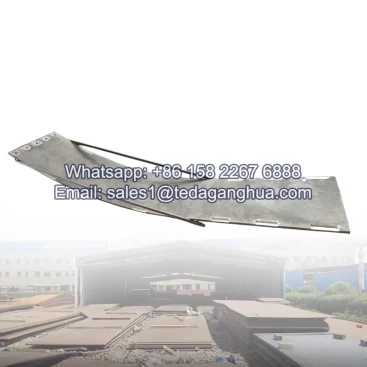
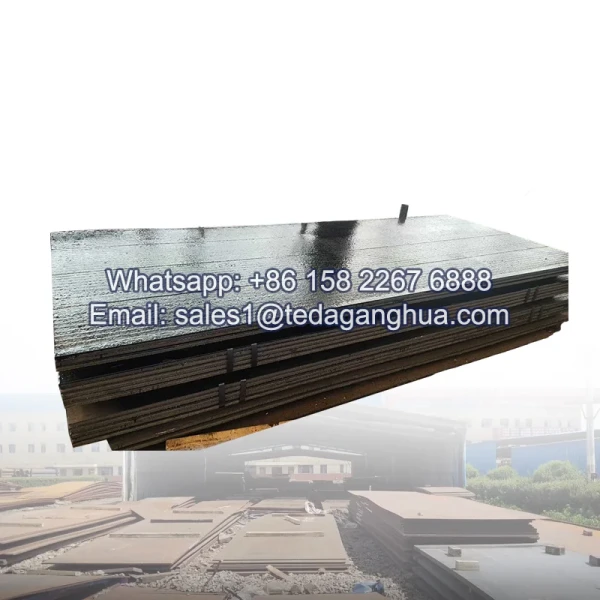
Carbide wear plate is a hardfaced composite steel plate produced by depositing a carbide-rich alloy layer onto a carbon steel or low-alloy steel base. The wear resistance of the overlay layer is mainly determined by its contenuto di cromo, which directly affects hardness, formazione di carburo, tenacità, and service life.
In practical engineering applications, carbide wear plates are generally divided into rivestimento ad alto contenuto di cromo E rivestimento a basso contenuto di cromo systems.
1. Basic Composition Difference
| Tipo | Main Composition |
|---|---|
| High-chromium carbide wear plate | High Cr (20–35%) + C + Fe matrix + alloy additives |
| Low-chromium carbide wear plate | Lower Cr (5–15%) + C + Fe matrix + minor alloy elements |
The key difference is the amount and distribution of chromium carbide phases formed during welding.
2. Carbide Formation and Microstructure
| Tipo | Carbide Structure | Main Wear Phase |
|---|---|---|
| High-chromium | Dense Cr7C3 / Cr23C6 carbides | Large hard carbide network |
| Low-chromium | Mixed carbides with lower density | Less carbide reinforcement |
High-chromium plates form a much denser and harder carbide network, which significantly improves abrasion resistance.
3. Confronto di durezza e resistenza all'usura
| Proprietà | Alto contenuto di cromo | Basso contenuto di cromo |
|---|---|---|
| Surface hardness | HRC 58–65 | HRC 45–55 |
| Abrasion resistance | Eccellente | Moderare |
| Impact resistance | Medium to low | Higher toughness |
| Service life in abrasion | Più a lungo | Più corto |
4. Performance Difference in Applications
| Condizioni di lavoro | Recommended Type |
|---|---|
| Severe sliding abrasion (cemento, minerario, carbone) | High-chromium carbide wear plate |
| Mixed impact + abrasione | Low-chromium carbide wear plate |
| High impact environments | Low-chromium or complex alloy systems |
5. Differenza di costo
- High-chromium plates: Higher material cost due to increased alloy content
- Low-chromium plates: More economical, suitable for general wear conditions
Higher chromium content generally increases both hardness and cost.
6. Key Selection Principle
- Choose high-chromium: When abrasion is the dominant wear mechanism
- Choose low-chromium: When impact and toughness are also required
Proper selection improves service life and reduces total maintenance cost.
7. Teda Ganghua Carbide Wear Plate Supply Capability
Come fornitore professionale di acciaio resistente all'usura, Teda Ganghua provides both high-chromium and low-chromium carbide wear plate solutions, helping customers select the most suitable material based on actual working conditions in mining, cemento, acciaio, e industrie energetiche.
We support customized cutting, fabbricazione, and engineered wear system design.
Esplora qui i nostri prodotti in acciaio resistente all'usura:
Piastra di overlay in carburo di cromo
Conclusione
High-chromium carbide wear plates provide superior hardness and abrasion resistance, while low-chromium plates offer better toughness and cost efficiency. The best choice depends on whether the application is dominated by abrasion or impact wear.