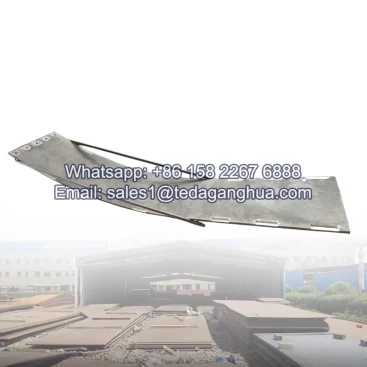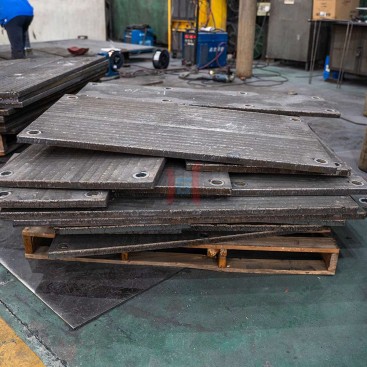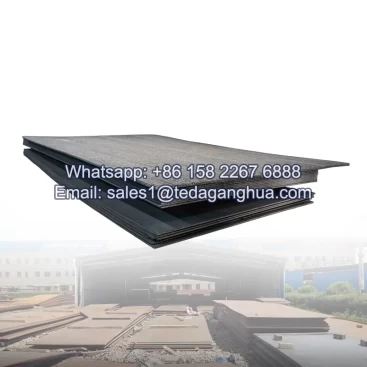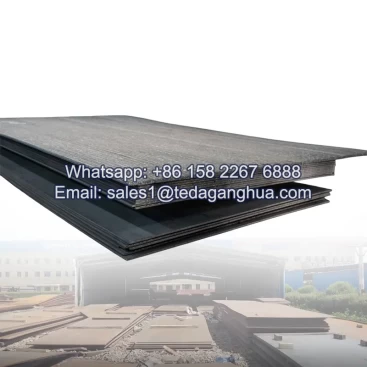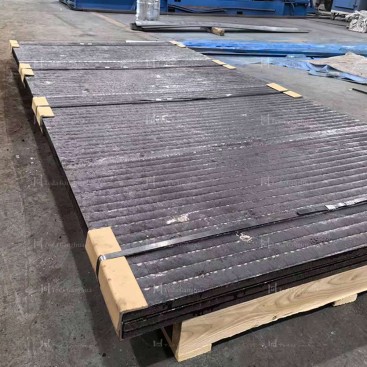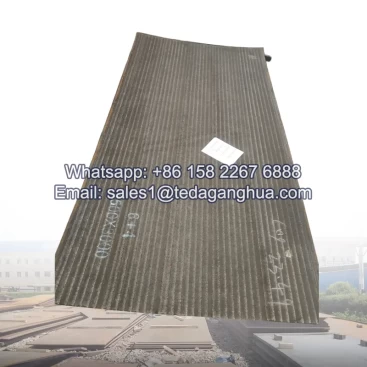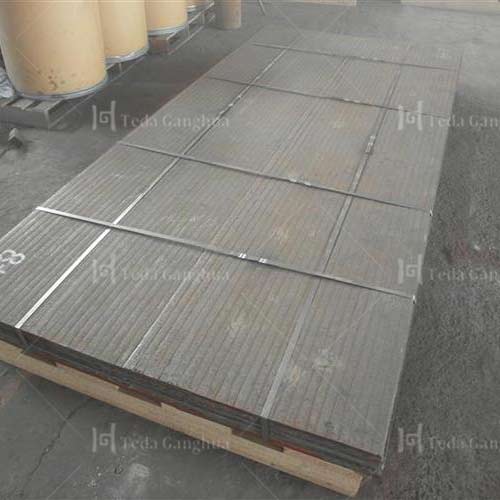
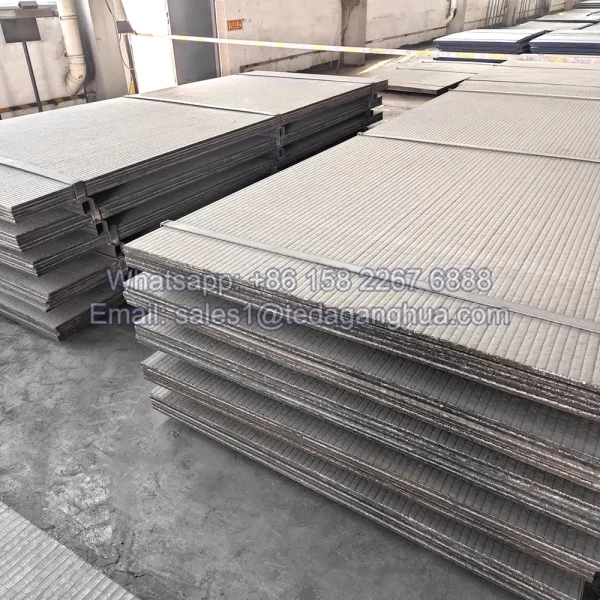
Saldatura sovrapposta al carburo di cromo

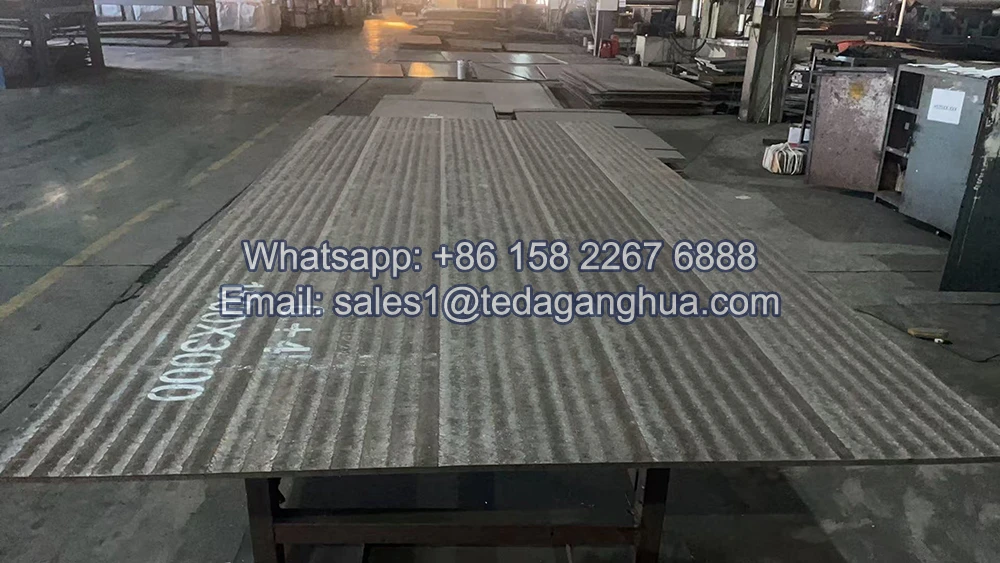
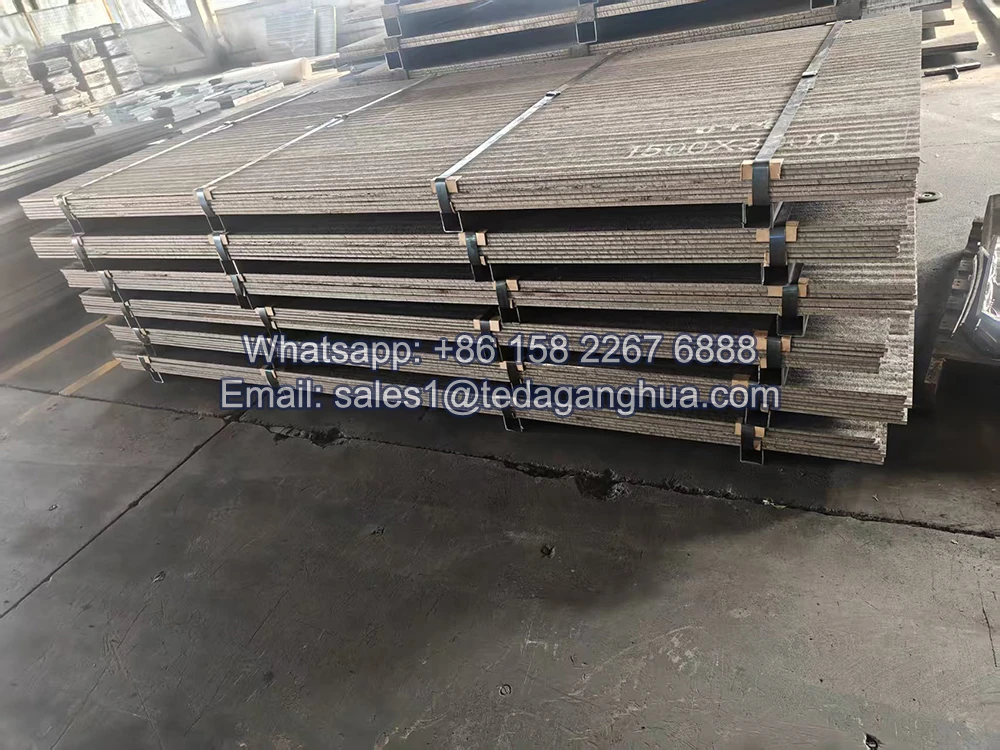
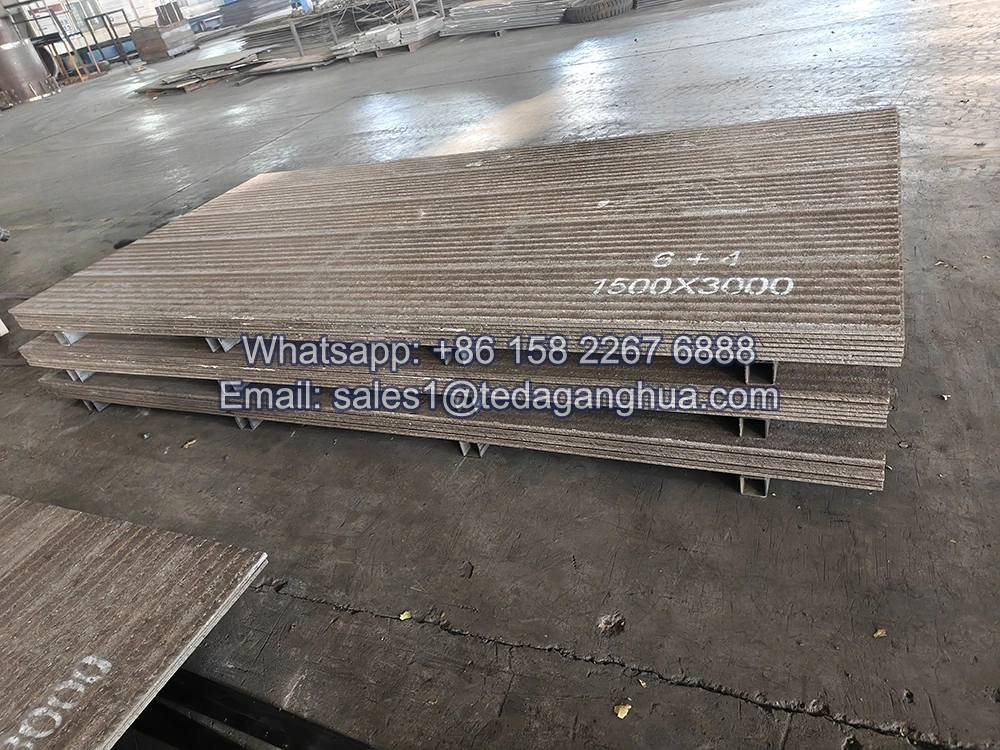
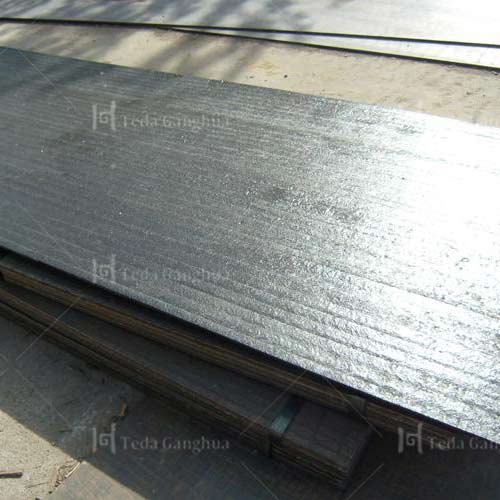
Chromium carbide overlay welding creates a composite wear-resistant steel by welding a chromium-rich hardfacing layer onto a steel base plate. Attraverso la saldatura controllata, formazione di carburo, and precision cutting, this process produces high-performance wear parts con long service life and superior abrasion resistance for demanding industrial applications.
- Descrizione
Chromium carbide overlay welding is a hardfacing process used to create extremely wear-resistant steel plates and components. By welding a chromium-rich alloy layer onto a steel base plate, a surface with elevata durezza, resistenza all'abrasione, e lunga durata is formed.
This technology is widely used in minerario, cemento, centrali elettriche, acciaierie, e sistemi di movimentazione di materiali sfusi.
Structure of Chromium Carbide Overlay Plate
A chromium carbide overlay plate is a composite welding steel made of two layers:
| Strato | Funzione |
|---|---|
| Piastra in acciaio di base | Fornisce resistenza strutturale e saldabilità |
| Overlay di carburo di cromo | Provides extreme wear and abrasion resistance |
The overlay contains carburi di cromo (Cr₇C₃ and Cr₂₃C₆), which are responsible for its exceptional hardness.
Chromium Carbide Overlay Welding Process
1. Preparazione della piastra di base
The carbon steel base plate is cleaned to remove:
-
Rust
-
Olio
-
Scale
Questo garantisce strong metallurgical bonding durante la saldatura.
2. Hardfacing Alloy Welding
A special chromium carbide welding wire or flux-cored wire is used.
The overlay is deposited by automated welding processes such as:
-
Saldatura ad arco con filo animato (FCAW)
-
Saldatura ad arco sommerso (SEGA)
-
Saldatura ad arco aperto (OAW)
These processes allow precise control of alloy composition and layer thickness.
3. Formation of Carbide Microstructure
Durante la saldatura:
-
Molten alloy solidifies on the base steel
-
Chromium carbides crystallize inside the overlay layer
-
These hard carbides are embedded in a tough alloy matrix
This creates a surface hardness of HRC 55–65.
4. Stress Relief Crack Pattern
After cooling, a network of fine, evenly spaced cracks appears in the overlay.
These cracks:
-
Release thermal stress
-
Prevent large structural cracking
-
Do not affect wear resistance
Questo è un designed feature, not a defect.
5. Cutting and Forming
The finished overlay plate is cut using:
-
Taglio al plasma
-
Taglio laser
-
Water-jet cutting
It can then be formed into:
-
Wear liners
-
Chute plates
-
Bending segments
-
Pipes and conveyor components
Why Chromium Carbide Overlay Welding Is Used
This welding process provides:
-
Extremely high abrasion resistance
-
Strong metallurgical bonding
-
Customizable overlay thickness
-
Lower cost than solid wear-resistant alloy steel
-
Easy repair by re-welding
Applicazioni tipiche
Chromium carbide overlay plates are used in:
-
Attrezzature per miniere e cave
-
Scivoli e tramogge per impianti di cemento
-
Sistemi di movimentazione del carbone
-
Power plant ash conveyors
-
Steel mill material handling
Questi ambienti coinvolgono severe sliding abrasion, impatto, and particle erosion.