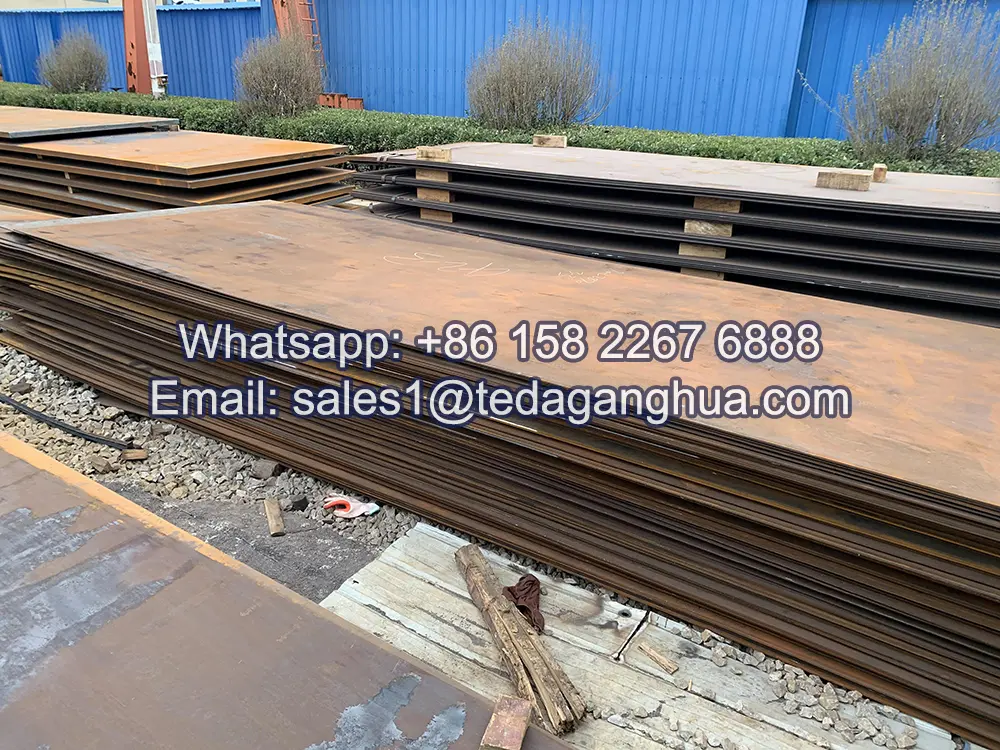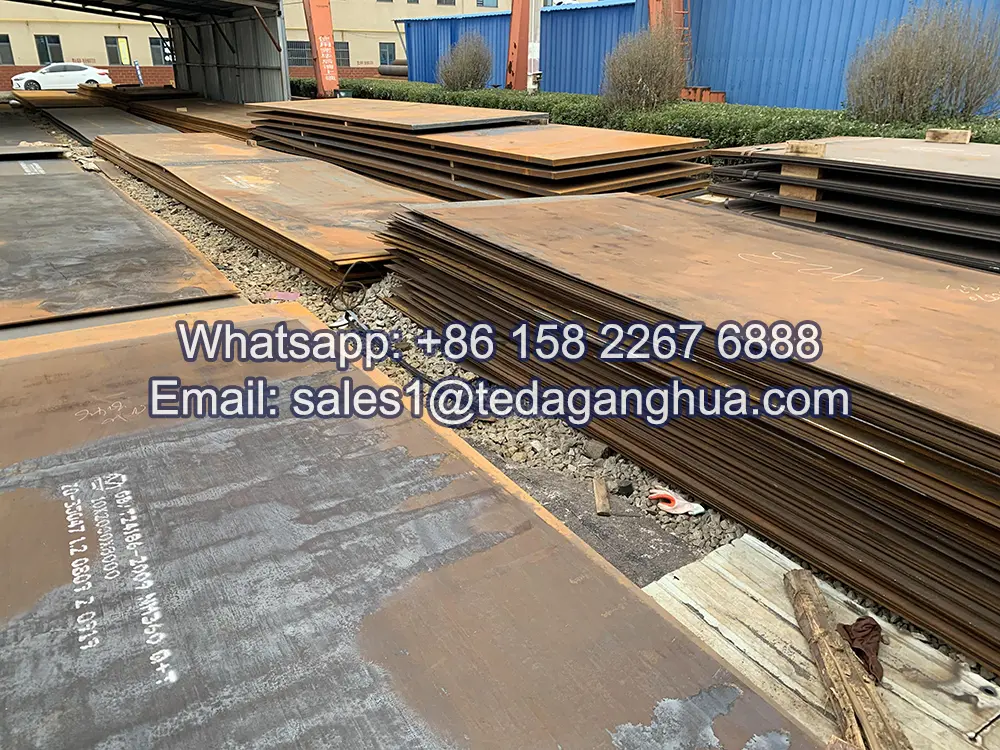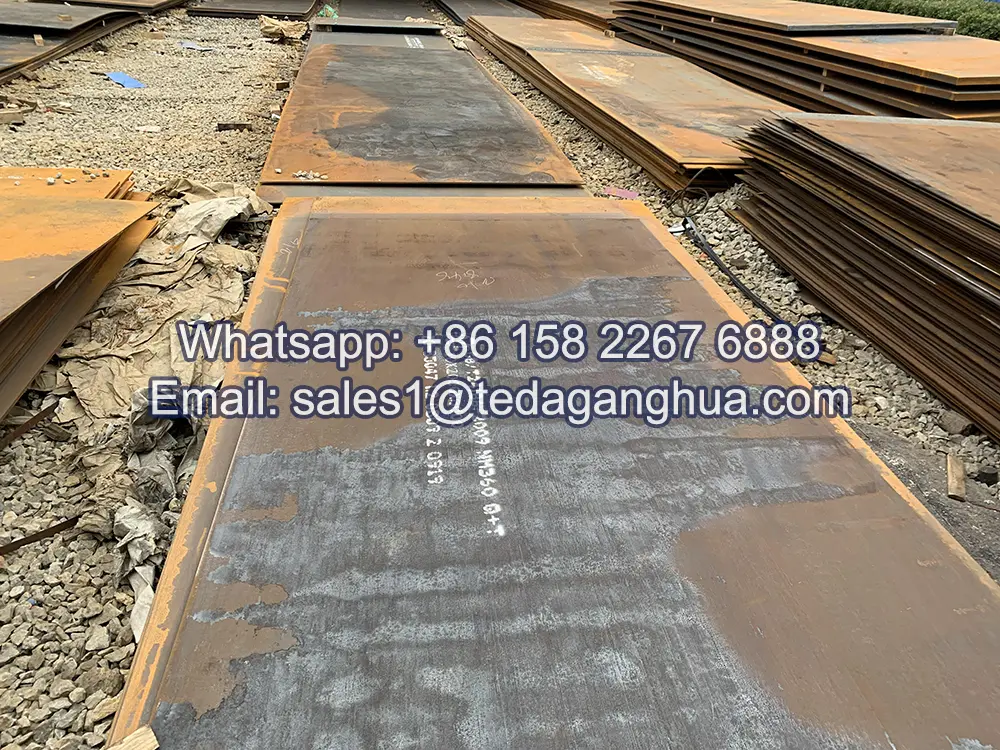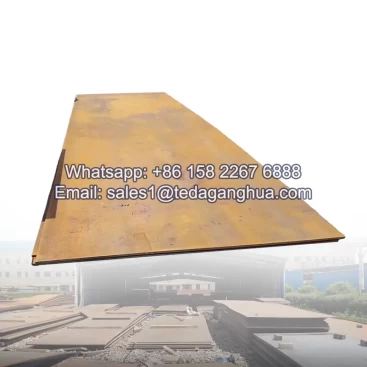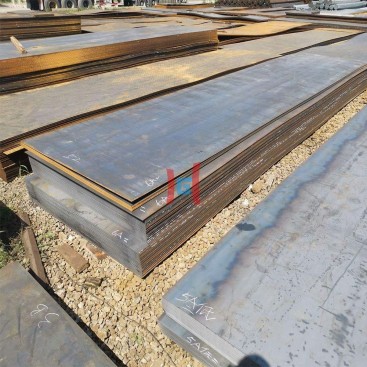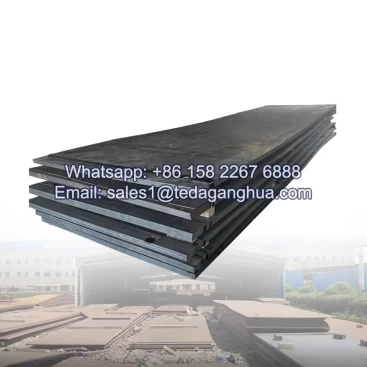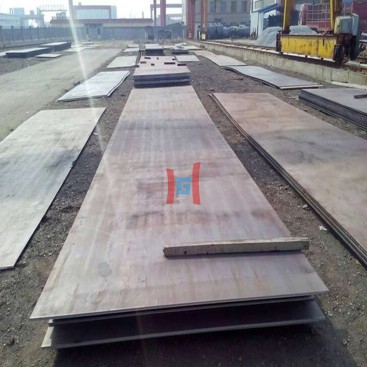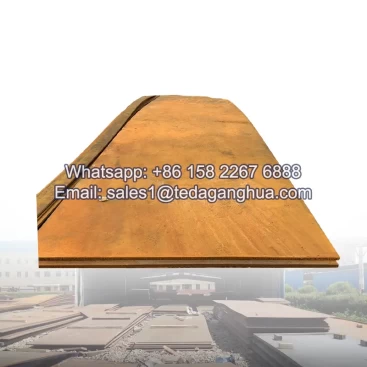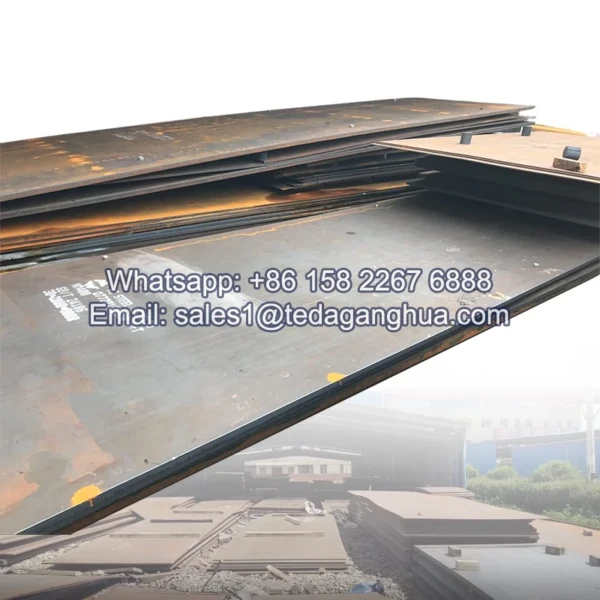
耐摩耗鋼板

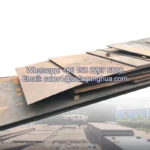
Abrasion resistant steel plate includes both AR wear steel and commercially named AB wear steel products. The main difference is that AR steel follows a more internationally standardized hardness classification system, while AB wear steel is often a broader or supplier-defined commercial term.
- 説明
Abrasion resistant steel plate is a high-hardness steel material designed to resist surface wear, インパクト, and friction in harsh industrial environments. 鉱山機械に広く使用されています, 建設機械, セメント工場, and heavy material handling systems.
In the wear-resistant steel industry, terms such as AB wear steel そして AR wear steel are often used. Although both belong to the wear-resistant steel category, they are not exactly the same in classification, naming system, or performance focus.
1. What Is AR Wear Resistant Steel?
AR stands for 耐摩耗性. It is an internationally recognized naming system mainly used in North America and international industrial markets.
Common grades include:
- AR400
- AR450
- AR500
- AR600
The number usually represents the approximate Brinell hardness (HB).
Main Characteristics of AR Steel
- 高い表面硬度
- Excellent sliding wear resistance
- Good impact resistance depending on grade
- Suitable for mining and heavy-duty applications
2. What Is AB Wear Steel?
AB wear steel is usually a market or regional abbreviation used by some manufacturers and distributors for abrasion-resistant plate products. 多くの場合:
- “AB” may refer generally to abrasion board or abrasion plate
- It is not always a strict international standard designation
- Different suppliers may define AB grades differently
In practical industrial use, AB wear steel often refers to wear-resistant plates similar to AR grades.
3. Main Difference Between AB and AR Wear Steel
1. Naming Standard Difference
| アイテム | AR Wear Steel | AB Wear Steel |
|---|---|---|
| Full Meaning | 耐摩耗性 | Abrasion Board / 摩耗板 (market usage) |
| 標準化 | Internationally standardized | More commercial or regional naming |
| Common Usage | ASTM/international markets | Supplier-specific markets |
4. Hardness and Performance Comparison
Most AR steels are classified directly by hardness level.
| 学年 | Approximate Hardness | 耐摩耗性 |
|---|---|---|
| AR400 | ~400HB | 良い |
| AR450 | ~450 HB | より良い |
| AR500 | ~500HB | 素晴らしい |
AB wear plates may or may not specify exact hardness depending on supplier documentation.
Key Performance Difference
- AR grades usually provide clearer hardness specifications
- AB naming may focus more on general wear resistance rather than standardized hardness classification
5. Mechanical Property Comparison
| 財産 | AR Wear Steel | AB Wear Steel |
|---|---|---|
| Hardness Control | Precise and standardized | Depends on supplier |
| 耐摩耗性 | 素晴らしい | 良いから素晴らしいまで |
| 溶接性 | Controlled by grade | 異なります |
| 衝撃靱性 | Defined by specification | Less standardized |
| Global Recognition | 高い | より低い |
6. Application Differences
AR Wear Resistant Steel Applications
- Mining dump truck liners
- 掘削機バケット
- Crushers and hoppers
- Cement and aggregate equipment
- Heavy industrial machinery
AB Wear Steel Applications
- General industrial wear plates
- Material handling systems
- 農業用ウェア部品
- 建設機械ライナー
多くの場合, AB wear steel and AR steel can overlap in application depending on actual hardness and composition.
7. 化学成分の特徴
Both AR and AB wear plates generally achieve wear resistance through:
- Carbon strengthening
- Alloy additions such as manganese, クロム, ニッケル, and molybdenum
- Controlled heat treatment and quenching processes
Typical alloying elements:
- 炭素 (C) 硬さ用
- クロム (Cr) 耐摩耗性のために
- マンガン (ん) for toughness
- モリブデン (モー) for hardenability