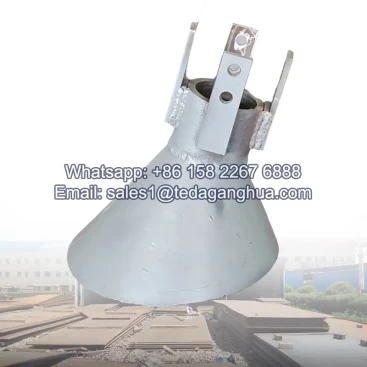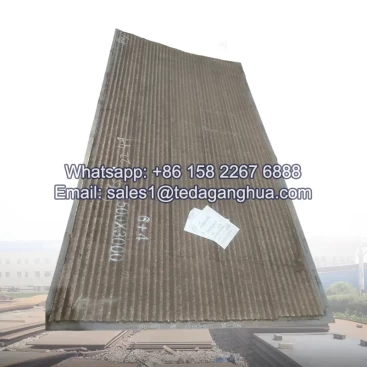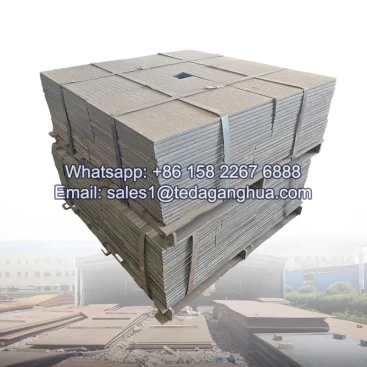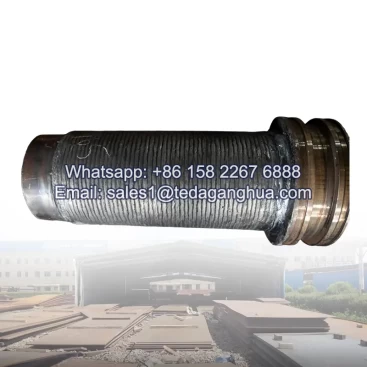
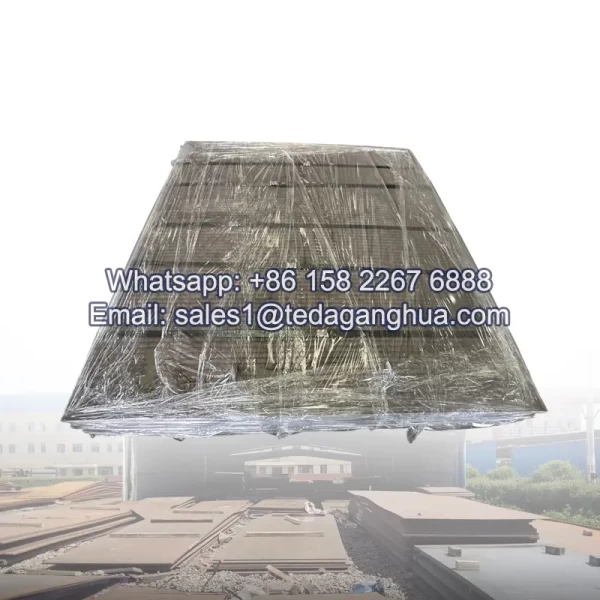

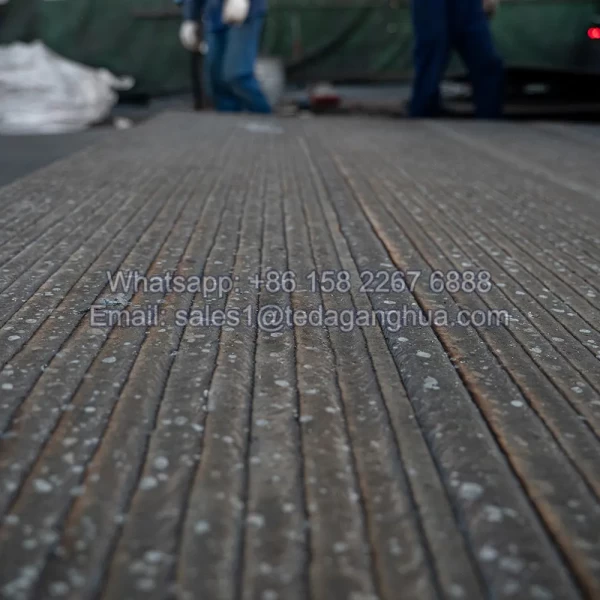
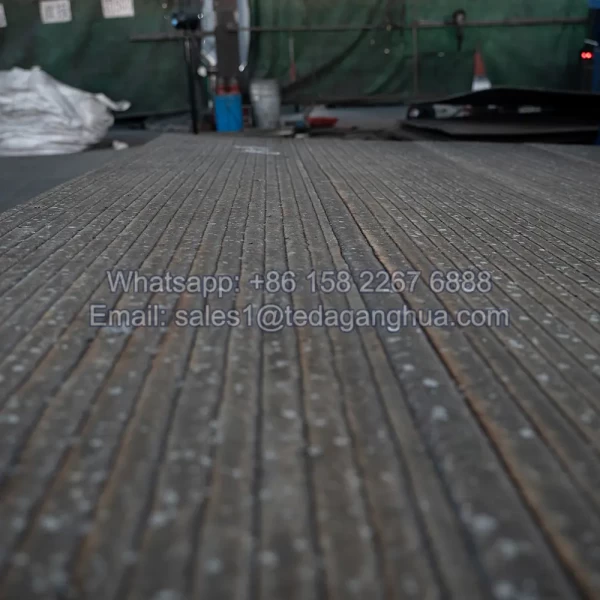
Carbide Plate

-
Different carbide overlays serve different wear conditions.
-
Chromium carbide is the most widely used and cost-effective.
-
Tungsten carbide provides ultimate hardness but higher cost.
-
Complex alloy overlays deliver the best balance of wear, インパクト, and temperature resistance.
- 説明
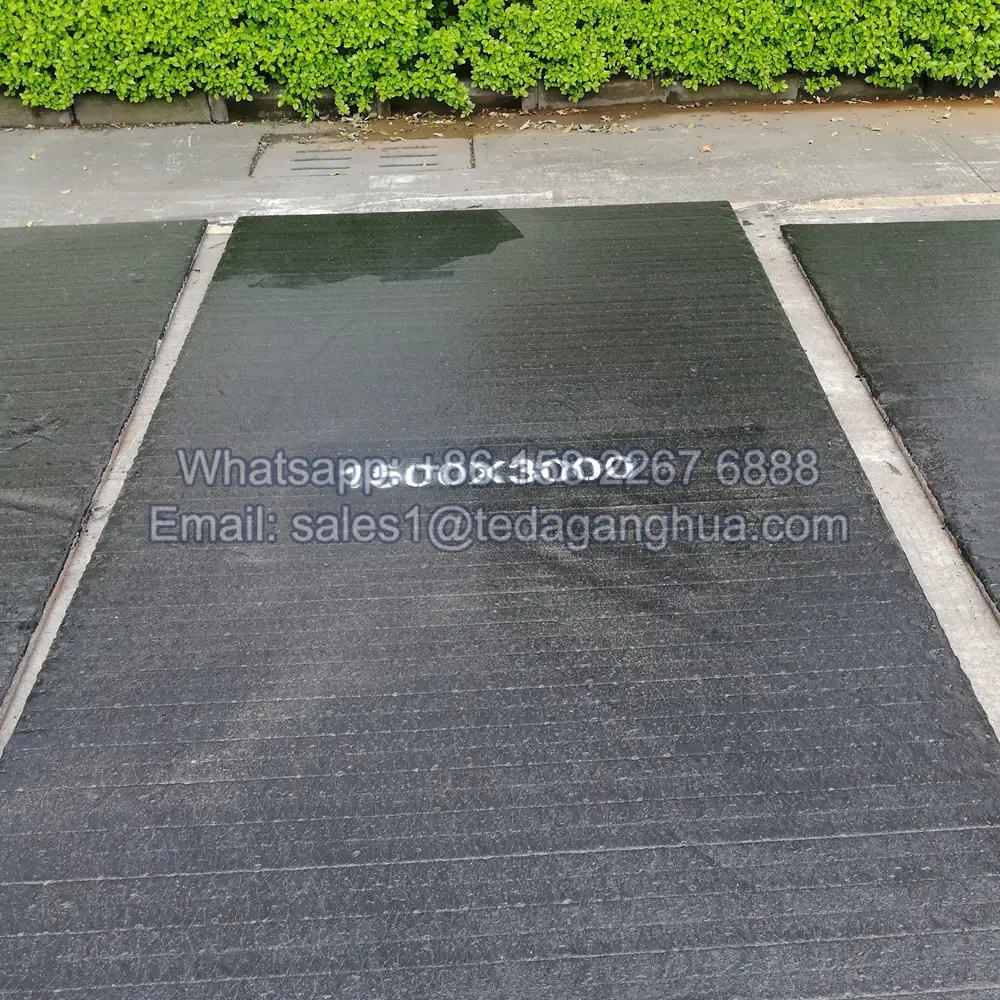
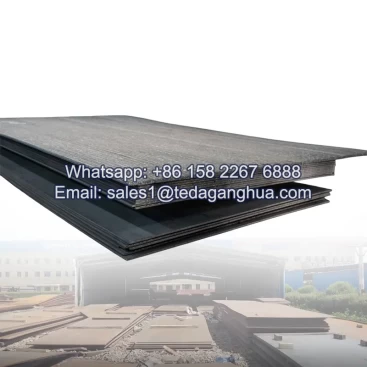
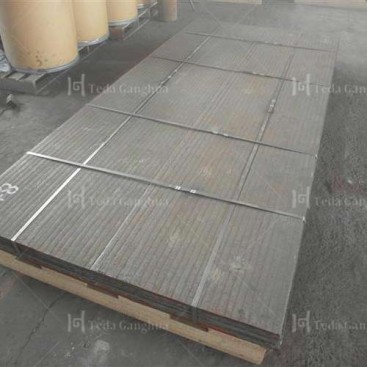
あ Carbide Plate, としても知られています 硬化肉盛プレート または オーバーレイプレート, is a wear-resistant steel plate with a hard alloy layer welded onto a base metal (通常は軟鋼または低合金鋼).
The hardfacing layer determines the plate’s 硬度, 耐摩耗性, and temperature performance — making it the key factor for choosing the right product.
違う carbide materials are used depending on the working environment, from standard abrasion to extreme impact or high temperature.
1. Common Types of Hardfacing Layers
| Type of Hardfacing Layer | Main Carbide | Typical Composition | 硬度 (HRC) | Main Features | 一般的なアプリケーション |
|---|---|---|---|---|---|
| 炭化クロムオーバーレイ (CCO) | Cr₇C₃ / Cr₃C₂ | Fe-Cr-C | 58–65 | Excellent sliding abrasion resistance; moderate impact resistance | セメント, 力, 採掘, 製鉄所 |
| 炭化タングステンオーバーレイ (WCO) | トイレ | Fe–Cr–W–C or Ni–W–C | 68–75 | 非常に高い硬度; superb wear life; limited impact resistance | Dredging, oil drilling, cutting tools, high wear nozzles |
| Niobium Carbide Overlay (NbC) | NbC | Fe–Cr–Nb–C | 60–68 | Improved toughness and crack resistance; handles impact better | マイニングバケット, 破砕機, インパクトライナー |
| Vanadium Carbide Overlay (VC) | VC | Fe–Cr–V–C | 58–64 | Very fine carbide structure; good balance of wear and toughness | セメントネジ, 砂の輸送, conveyor systems |
| Molybdenum Alloyed Overlay (MoC or Cr–Mo–C) | Mixed Cr/Mo carbides | Fe–Cr–Mo–C | 55–62 | Excellent heat resistance; stable up to 800 ℃ | High-temperature hoppers, furnaces |
| Complex Carbide Overlay (Multi-alloy) | Cr + 注意 + V + Mo carbides | Fe-Cr-Nb-V-Mo-C | 60–68 | Superior resistance to multiple wear types (摩耗 + インパクト + 温度) | マイニング, 冶金, cement clinker lines |
2. 炭化クロムオーバーレイ (CCO) – The Most Common Type
の chromium carbide layer is the most widely used overlay in wear plates.
It features:
-
硬度: 58–65HRC
-
Carbide phase: Cr₇C₃
-
Excellent wear resistance under dry sliding or fine particle abrasion
-
Stable performance up to 600–800 °C
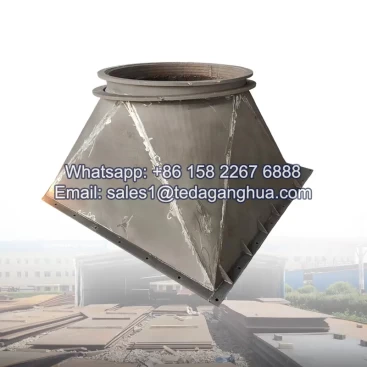
This type is ideal for 滝, ホッパー, ファンブレード, サイクロン, and coal pipelines.
3. Tungsten Carbide Overlay – For Extreme Wear
Tungsten carbide hardfacing offers the highest hardness (まで 75 HRC) among all overlay types.
It provides exceptional resistance to abrasion and erosion, even in slurry or sand-laden environments.
-
Extremely low wear rate
-
用途 oil drilling tools, dredger components, and wear rings
-
More costly, but lasts 3–5× longer than chromium carbide under the same conditions
4. Niobium and Vanadium Carbide Overlays – Balanced Performance
To improve the brittleness of standard chromium carbide overlays, NbC そして VC are added to enhance impact and crack resistance.
These “complex carbide” layers provide a balance of:
-
High hardness
-
Better impact resistance
-
Good metallurgical bonding
-
Extended wear life in dynamic conditions
Common in 鉱山機械, cement screws, 破砕機, and mixing blades.
5. Complex Alloy Carbide Overlays – Multi-Element Systems
Modern wear plates often use multi-alloy overlays combining Cr, 注意, モー, V, and W to achieve composite wear resistance.
They can handle environments involving:
-
滑り摩耗
-
Impact wear
-
High temperature (まで 850 ℃)
-
Mild corrosion
These plates are the premium choice for severe service applications のような clinker coolers, crusher walls, and heavy-duty conveyors.
6. Base Metal Options
While the overlay layer defines wear performance, の 卑金属 構造的な強度を提供します.
| ベースメタル | 説明 | Suitable For |
|---|---|---|
| Mild Steel (Q235 / A36) | 低コスト, 良好な溶接性 | 一般的な摩耗用途 |
| Low Alloy Steel (Q345 / A572) | Higher strength and toughness | Heavy-duty applications |
| ステンレス鋼 (304 / 316) | 耐食性 | Chemical and marine environments |
7. まとめ
| Overlay Type | Main Advantage | 一般的な硬度 | Temperature Limit |
|---|---|---|---|
| 炭化クロム | General wear resistance | 58–65HRC | 600–800 °C |
| 炭化タングステン | 極度の耐摩耗性 | 68–75HRC | 600 ℃ |
| 炭化ニオブ | Improved impact strength | 60–68HRC | 700 ℃ |
| Complex Alloy | All-round high performance | 60–68HRC | 850 ℃ |