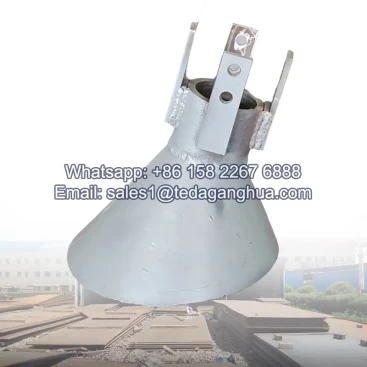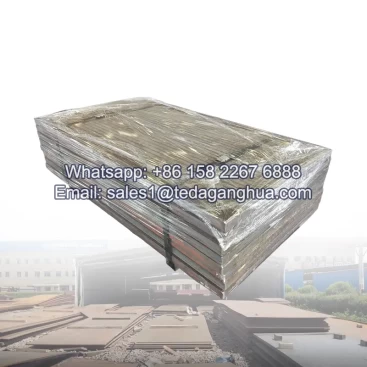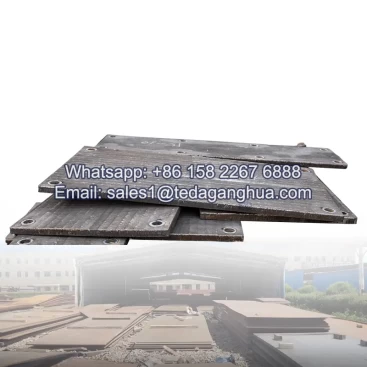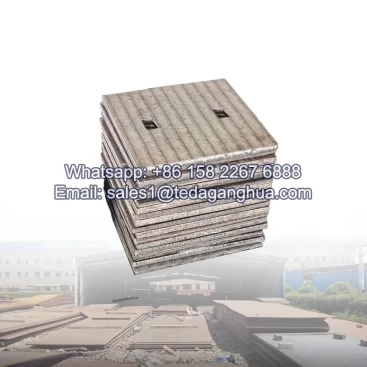
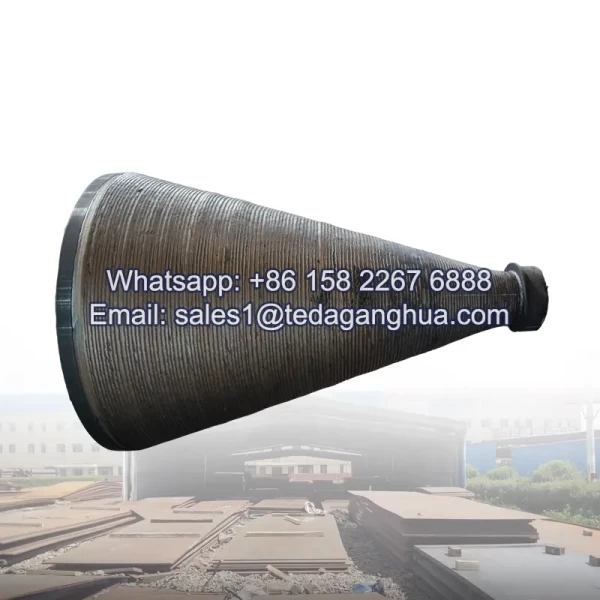
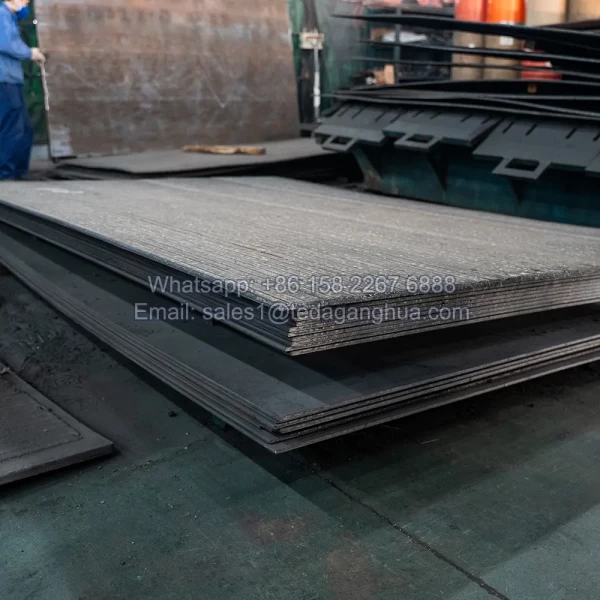

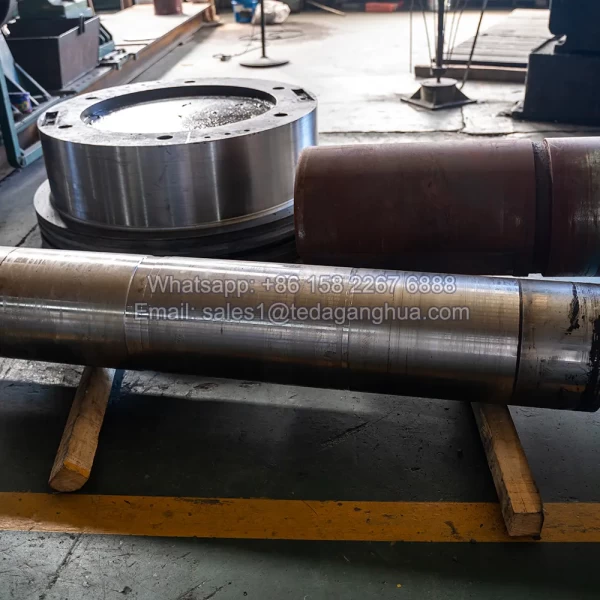
炭化クロムウェアプレート

の manufacturing of Chromium Carbide Wear Plates involves:
-
Selecting a tough steel base
-
Preparing a high-hardness chromium carbide overlay
-
Depositing the overlay using controlled welding processes
-
Heat treatment and stress relief
-
Surface finishing and strict quality inspection
- 説明
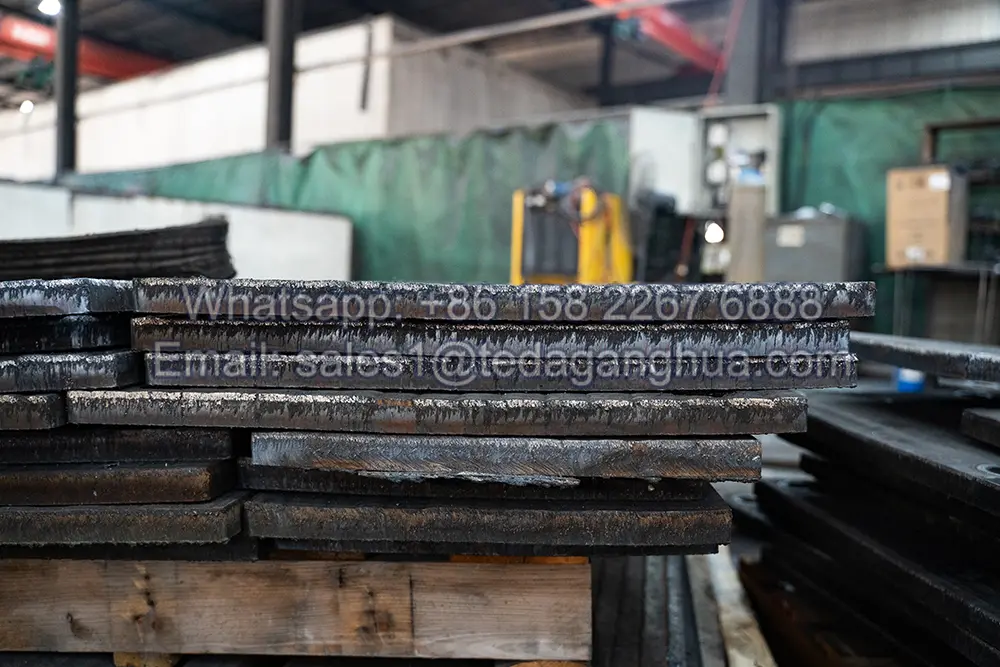
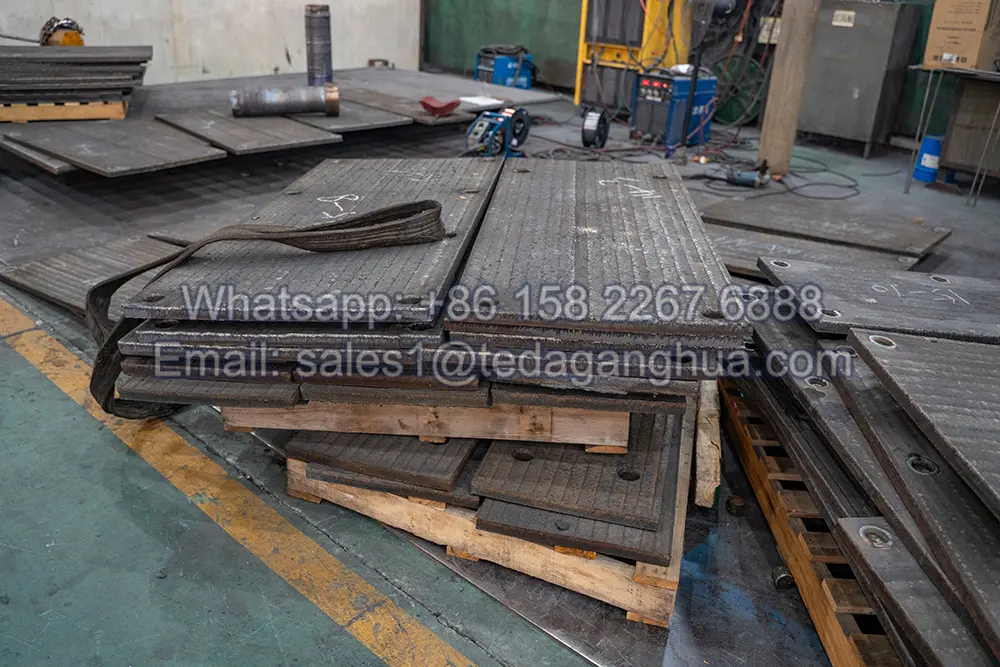
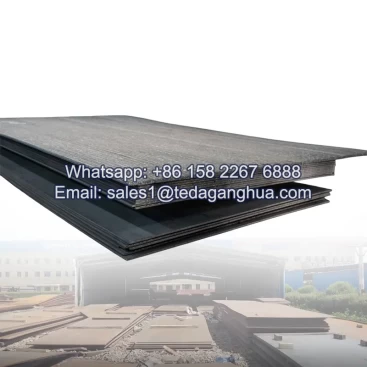
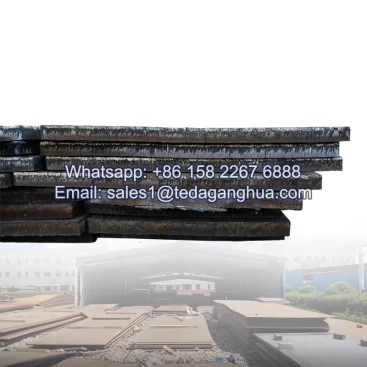
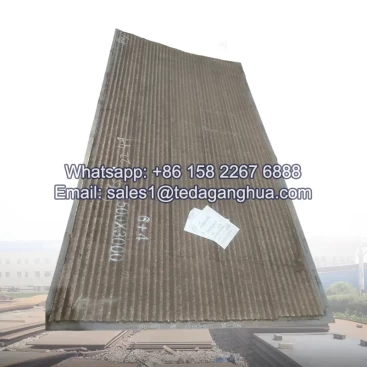
炭化クロム摩耗プレート (CCO Plates) are bimetallic steel plates designed for extreme abrasion and impact resistance.
They consist of a high-hardness chromium carbide overlay layer に溶接された 頑丈なスチールベース, combining:
-
Exceptional surface hardness (58–65HRC)
-
衝撃靱性 from the base steel
-
Long service life in mining, セメント, 力, and material handling industries
The key to producing a reliable CCO plate lies in precision overlay welding and quality control.
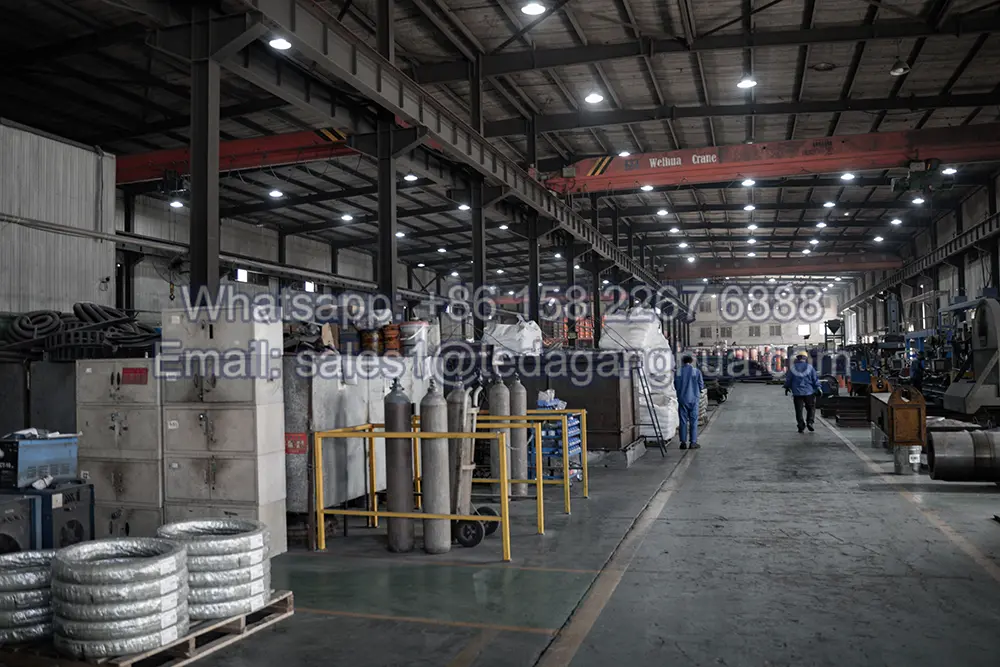
Manufacturing Process of Chromium Carbide Wear Plates
1. Base Plate Selection
-
Common base steels: Q235, S355, NM400, AR400/450
-
The base provides 構造強度, 靭性, 溶接性.
-
Thickness is chosen according to application requirements (typically 6–50 mm).
2. Overlay Material Preparation
-
Overlay is typically a chromium carbide alloy wire or strip containing:
-
10–30% chromium (Cr)
-
2–5% carbon (C)
-
Optional additions: で, モー, fe
-
-
The overlay provides hardness and abrasion resistance, forming a continuous carbide layer on the surface.
3. Overlay Welding Process
There are several methods to deposit the chromium carbide layer:
| 方法 | 説明 | 利点 |
|---|---|---|
| Single/Multiple Pass Submerged Arc Welding (見た) | Large plates welded with chromium carbide wire in several passes | 高い成膜速度, uniform overlay |
| Plasma Transferred Arc (PTA) | High-energy plasma welds chromium carbide powder onto plate | Very high hardness and low dilution |
| フラックス入りアーク溶接 (FCAW) | Manual or semi-automatic overlay with flux-cored wire | Flexible, suitable for small or custom plates |
| Shielded Metal Arc Welding (スマウ) | Stick welding with chromium carbide rods | Simple, suitable for repair or small batches |
Key factors during welding:
-
Maintain オーバーレイの厚さ as designed (3–20 mm typical)
-
Control dilution between overlay and base (<10–15%)
-
Preheat thick base plates to 150–250℃ to prevent cracking
-
Multi-pass welding with controlled cooling ensures uniform hardness and metallurgical bonding
4. Heat Treatment and Stress Relief
-
Some CCO plates undergo post-weld stress relief at 150–200°C
-
Reduces residual stress from multi-pass welding
-
Ensures dimensional stability and prevents cracking during service
5. Surface Finishing and Inspection
-
Grinding or shot blasting removes slag and spatter
-
Non-destructive testing (NDT) such as ultrasonic or dye penetrant inspection ensures overlay integrity
-
Hardness testing is done to confirm target HRC or HBW
-
Plates are カット, drilled, or prepped for shipping and installation
6. Final Quality Control
-
オーバーレイの厚さ measurement (typically 3–20 mm)
-
硬さ試験 (surface: 58–65HRC, ベース: 200–300 HBW)
-
Visual and metallurgical inspection for cracks or porosity
-
Ensures the plate meets industry standards for mining, セメント, and heavy equipment applications
Key Advantages of the Manufacturing Process
-
高い耐摩耗性: Hard chromium carbide surface resists sliding and impact abrasion
-
Durable base: Tough steel base absorbs shocks, reduces brittle failure
-
Customizable thickness and size: Overlay and base tailored for application needs
-
Consistent quality: Multi-pass welding and strict inspection ensure reliable performance