
炭化クロム肉盛板の溶接


Welding chromium carbide overlay plate requires careful control of heat input and welding position. By restricting welds to the mild steel base, using low-hydrogen electrodes, and maintaining proper preheat and cooling conditions, fabricators can achieve reliable connections without compromising the wear-resistant overlay. Following these best practices ensures long service life and consistent performance of CCO plates in demanding industrial environments.
- 説明
Welding chromium carbide overlay plate requires specialized methods to maintain the integrity of the wear-resistant surface and ensure a strong structural bond. Since these plates consist of a mild steel base and a hard chromium carbide overlay, welding must be carefully controlled to prevent cracking, dilution, or loss of hardness in the overlay layer.
Understanding the Structure of CCO Plate
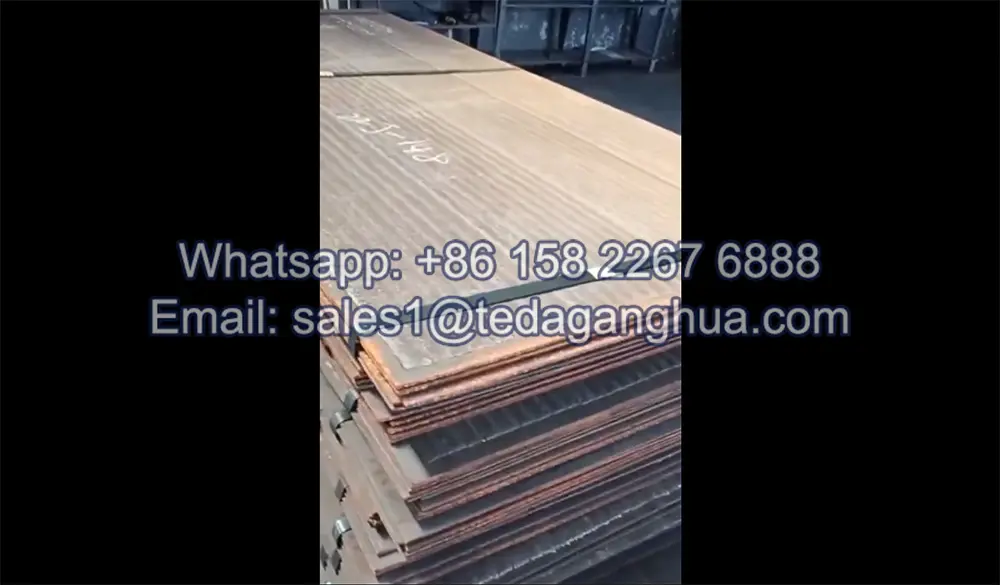
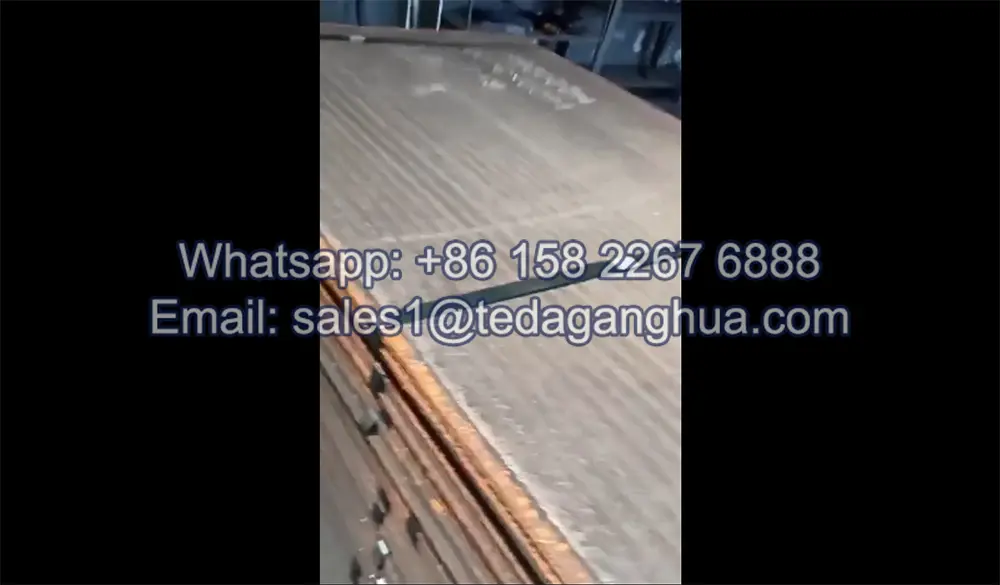
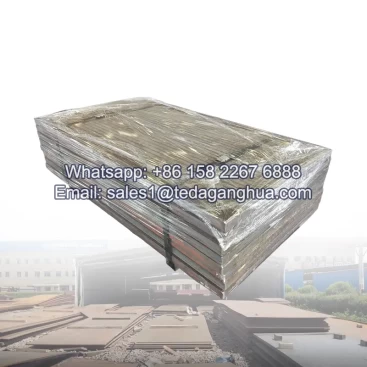
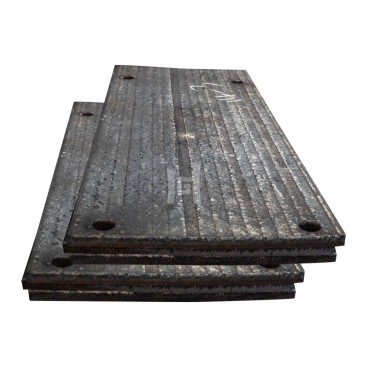
あ 炭化クロムオーバーレイ (CCO) 皿 is produced by welding a hardfacing layer rich in chromium and carbon onto a mild steel substrate. The overlay layer provides exceptional hardness (usually 58–65 HRC), while the base plate ensures good toughness and weldability. During fabrication, welding is often required to join plates, attach liners, or mount parts onto equipment.
Recommended Welding Methods for CCO Plates
| 溶接方法 | Suitable Area / 応用 | Key Notes |
|---|---|---|
| Mild Steel Side Welding | Base plate to base plate or structural frame connection | Use standard low-hydrogen electrodes (例えば。, E7018) for joining mild steel. |
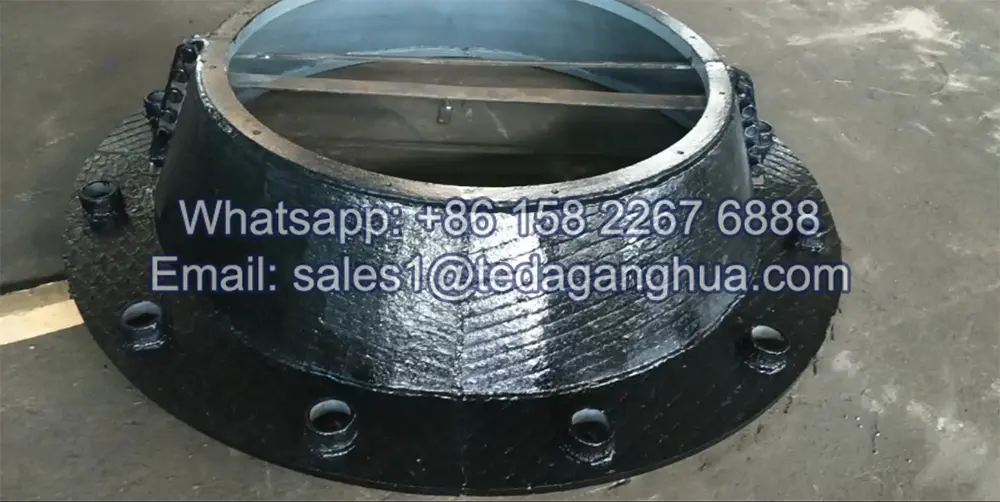
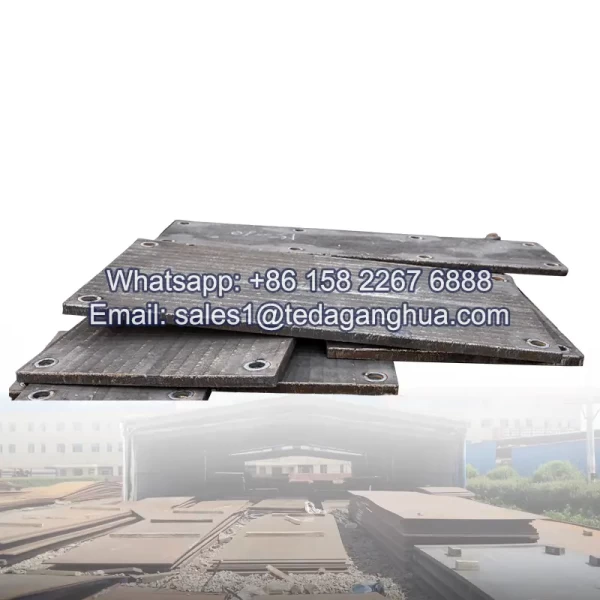
| プラグ溶接 | For attaching wear plates to equipment surfaces | Drill through the CCO plate and weld from the mild steel side to minimize overlay heating. |
| Tack Welding | Temporary positioning before full weld | Keep short, spaced tack welds to reduce heat input and distortion. |
| Backing Weld / Fillet Weld | Edge connection between wear plates | Apply weld only on the mild steel base side; avoid welding on the overlay surface. |
| Hardfacing Repair (if needed) | Surface restoration on worn overlay areas | Use compatible chromium carbide welding wire; maintain correct polarity and low dilution. |
Key Welding Guidelines
-
Weld only on the mild steel base, not on the chromium carbide surface. The overlay contains hard carbides that can crack or spall under welding heat.
-
Use controlled heat input — preheat the base plate around 100–150 °C for thick sections and allow slow cooling to reduce residual stress.
-
Keep interpass temperature below 250 ℃ to avoid softening or dilution of the overlay layer.
-
Do not bend or form after welding; perform shaping operations before joining.
-
Clean the base metal thoroughly to remove oxides and contaminants before welding.
-
Avoid full-penetration welds on the overlay area, as this may cause carbide dilution and reduced hardness.
Recommended Filler Materials
-
For base-to-base welding: E7018 or ER70S-6
-
For overlay surface repair: high chromium carbide hardfacing wire (例えば。, AWS A5.21 ERCCr-A)
Safety and Quality Considerations
Always allow gradual cooling after welding to prevent thermal cracking. Conduct visual and ultrasonic inspection of the joints if the plates will be subjected to vibration or impact. Post-weld grinding and sealing can improve surface finish and prevent corrosion along the weld lines.