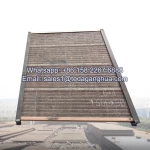
- 説明
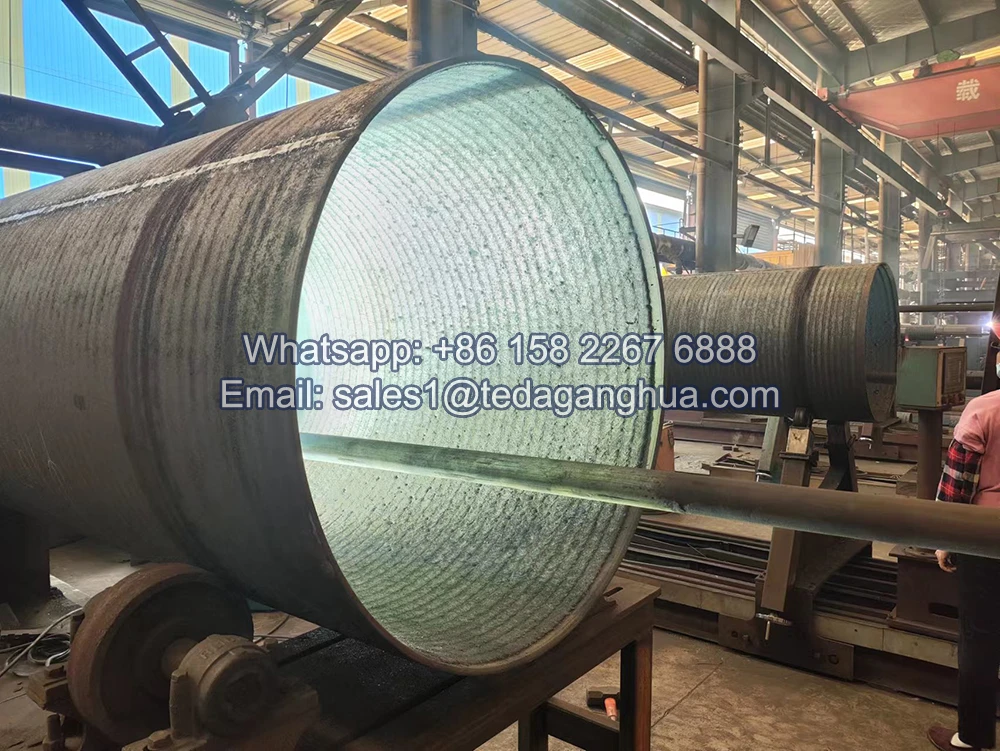
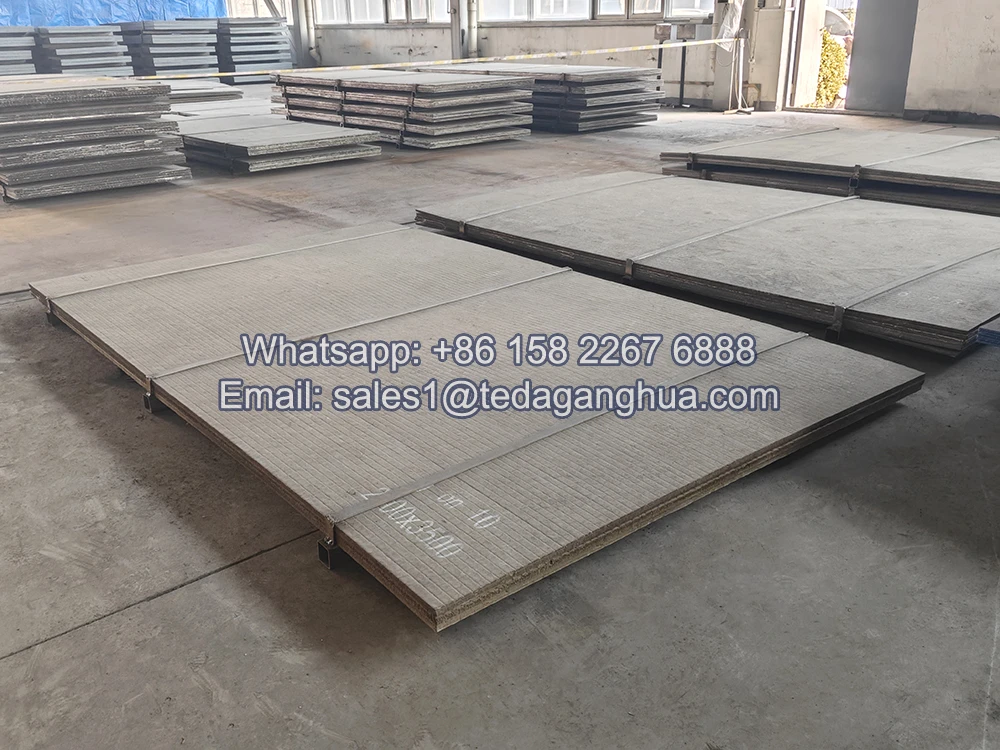
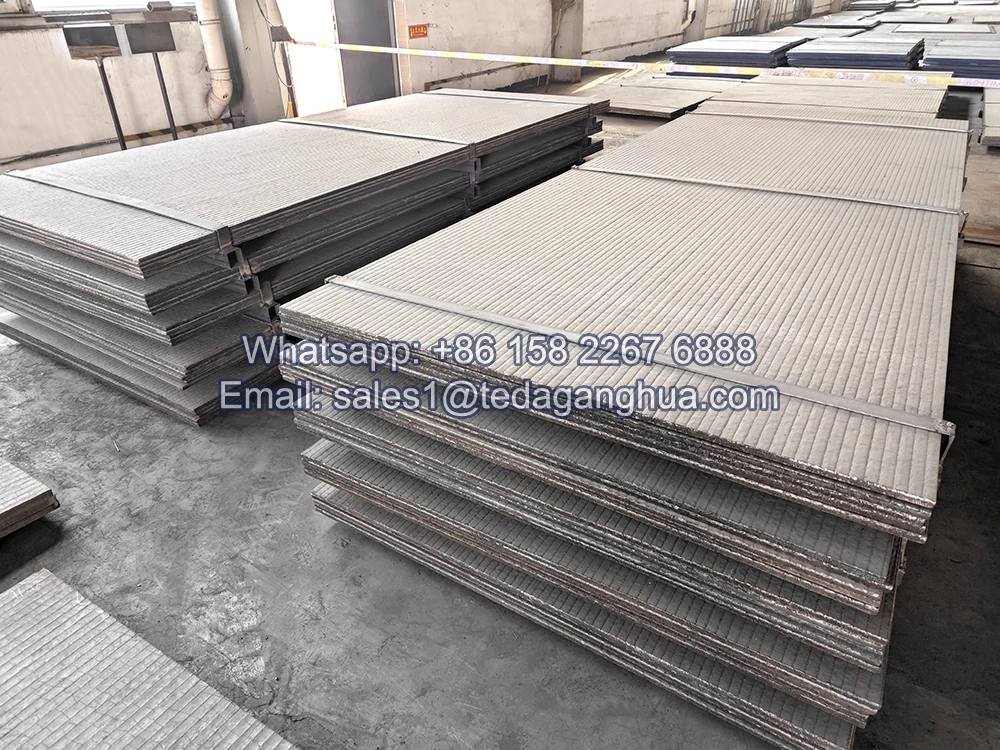
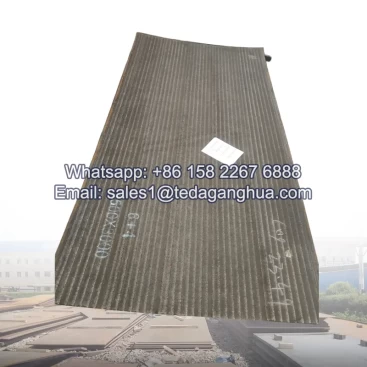
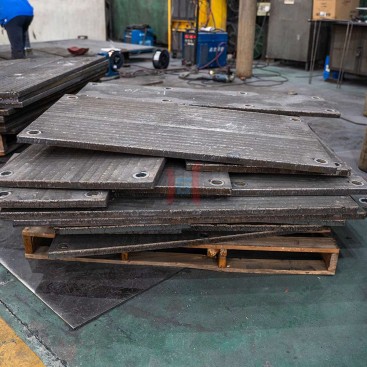
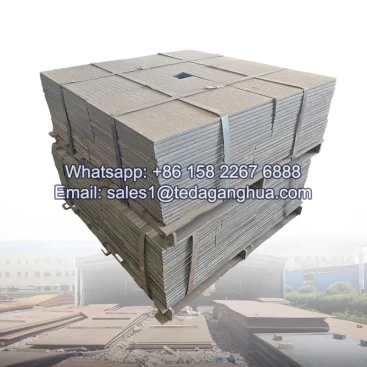
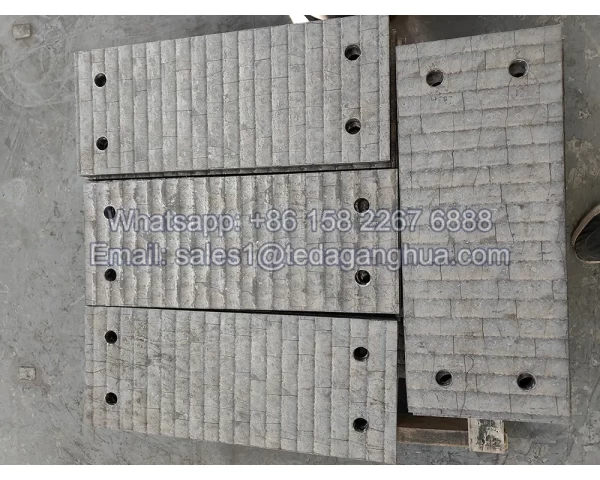
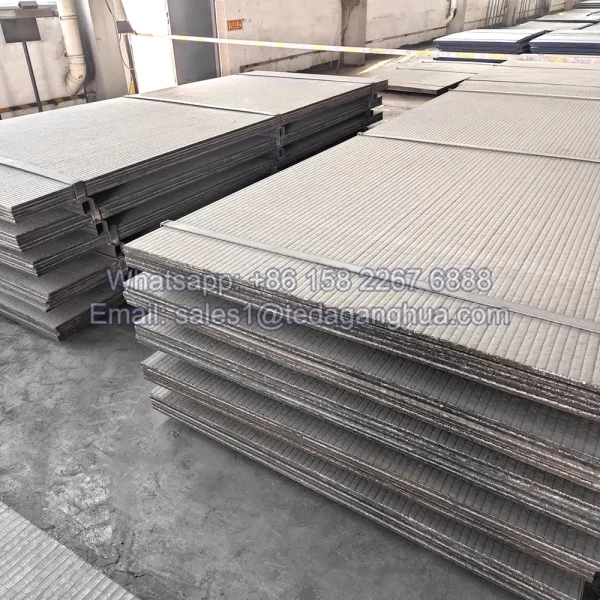
Welding wear technology refers to the production of composite wear-resistant parts by welding a hard alloy layer onto a steel substrate. These parts are designed to withstand 摩耗, インパクト, そして侵食 in severe industrial environments while keeping high structural strength and low cost.
This technology is widely used in 採掘, セメント, 発電, 鉄鋼工場, およびバルクマテリアルハンドリングシステム.
Structure of Welded Composite Wear Parts
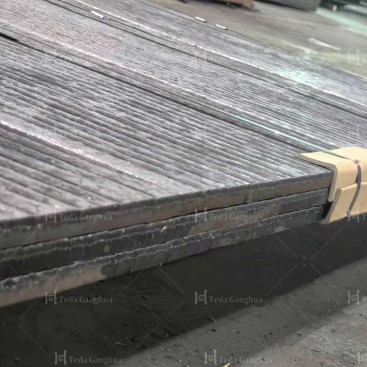
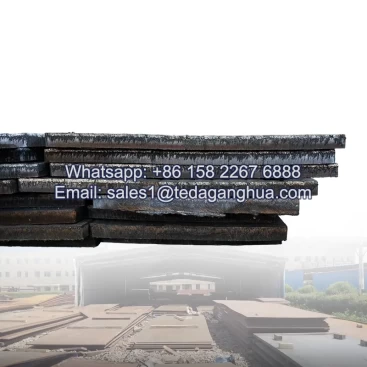
A welding wear component is a two-layer or multi-layer composite material:
| 層 | 関数 |
|---|---|
| Base Steel | Provides toughness, load-bearing strength, 溶接性 |
| Hardfacing Alloy Layer | Provides abrasion, インパクト, そして耐摩耗性 |
The hardfacing layer is typically rich in 炭化クロム, boron, or tungsten carbide.
Welding Process for Composite Wear Parts
1. Base Material Preparation
The base steel is cleaned and prepared to ensure:
-
Strong weld bonding
-
No contamination
-
Stable weld pool
This ensures maximum metallurgical fusion 層間.
2. Hardfacing Alloy Welding
Wear-resistant alloys are deposited onto the base steel using:
-
フラックス入りアーク溶接 (FCAW)
-
サブマージアーク溶接 (見た)
-
オープンアーク溶接 (OAW)
These automated processes allow uniform thickness, controlled chemistry, and high productivity.
3. Formation of Wear-Resistant Microstructure
溶接中:
-
The alloy melts and solidifies
-
Hard carbides form inside the overlay layer
-
These carbides create an extremely hard wear surface
Typical hardness range: HRC 55–65
4. Controlled Cooling and Crack Pattern
溶接後, controlled cooling creates:
-
Fine, stress-relief cracks in the overlay
-
These cracks prevent large structural cracking
-
They improve impact and thermal stability
これは designed micro-crack system, not a defect.
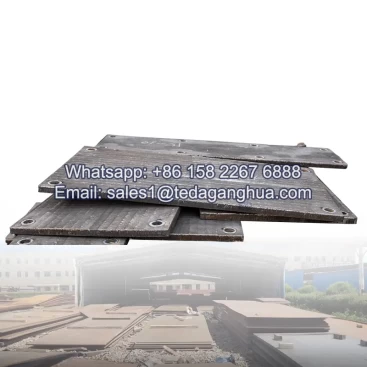
5. 切断と成形
The welded plates are cut into wear parts using:
-
プラズマ切断
-
レーザー切断
-
ウォータージェット切断
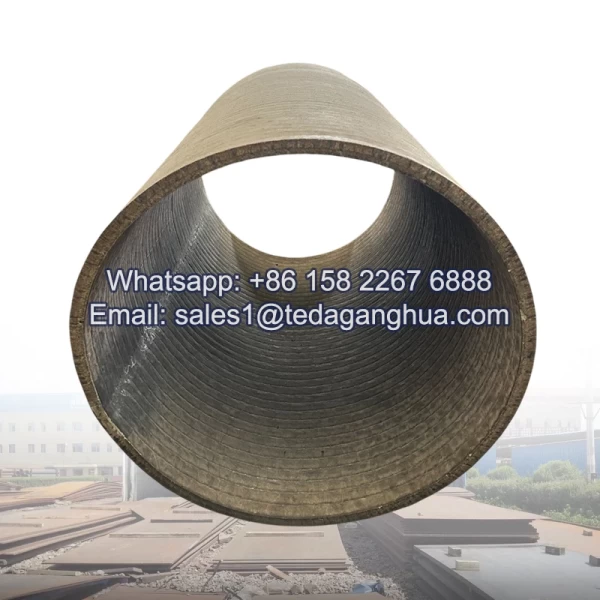
Then they are formed into:
-
ライナー
-
Chute plates
-
Bending segments
-
Conveyor and crusher parts
Why Welding Wear Technology Is Superior
Compared with solid wear steel, welded wear parts provide:
-
Much higher abrasion resistance
-
Lower material cost
-
Custom thickness and alloy design
-
Easy repair by re-welding
-
Longer service life
代表的な用途
Welded composite wear parts are used in:
-
Mining chutes and hoppers
-
Cement mill liners
-
石炭処理システム
-
Power plant ash pipes
-
Steel mill conveyor systems
これらの環境には以下が含まれます 高い摩耗, sliding wear, そして影響.