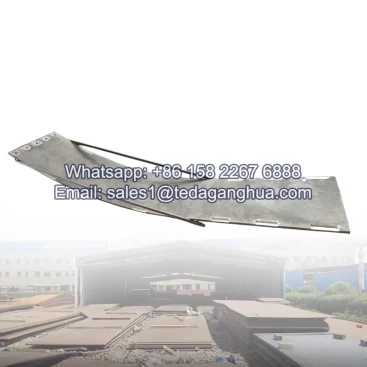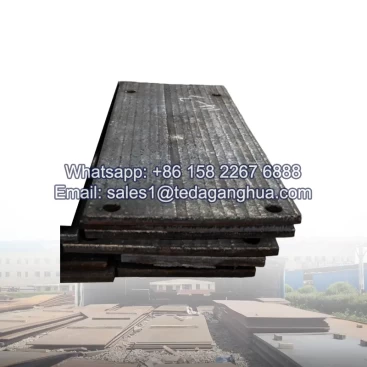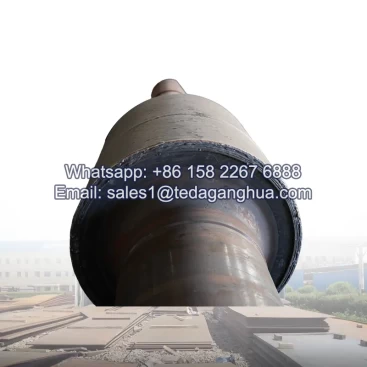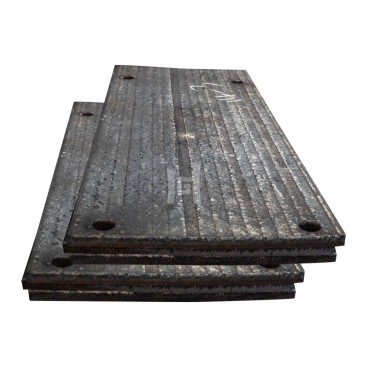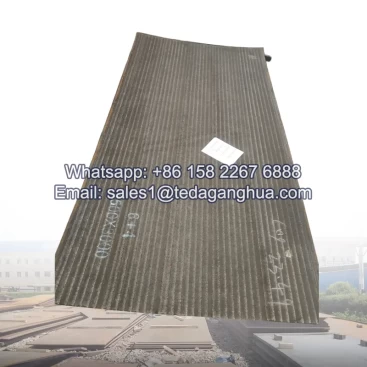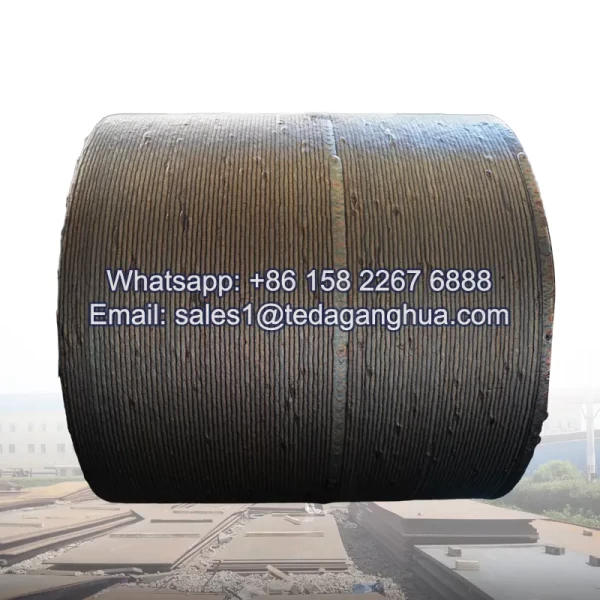
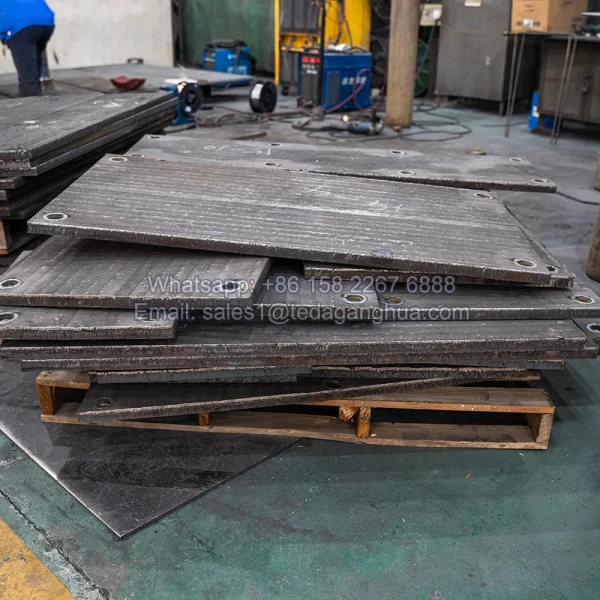
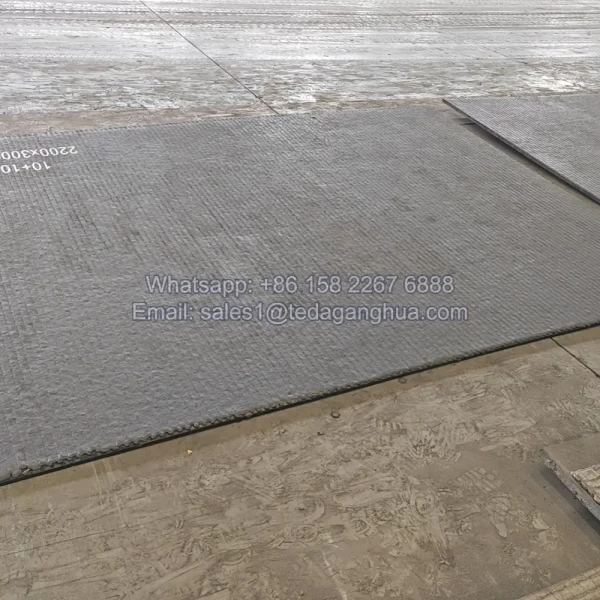
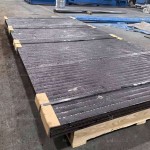
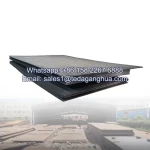
크롬 카바이드 오버레이

크롬 카바이드 오버레이 플레이트 are the ideal solution for extreme wear and impact environments, 결합 딱딱한, 내마모성 오버레이 a 견고한 강철 베이스.
With a range of 성적, 오버레이 두께, and plate sizes, CCO plates can be 맞춤형 to meet the demands of mining, 시멘트, 힘, 및 자재 취급 산업.

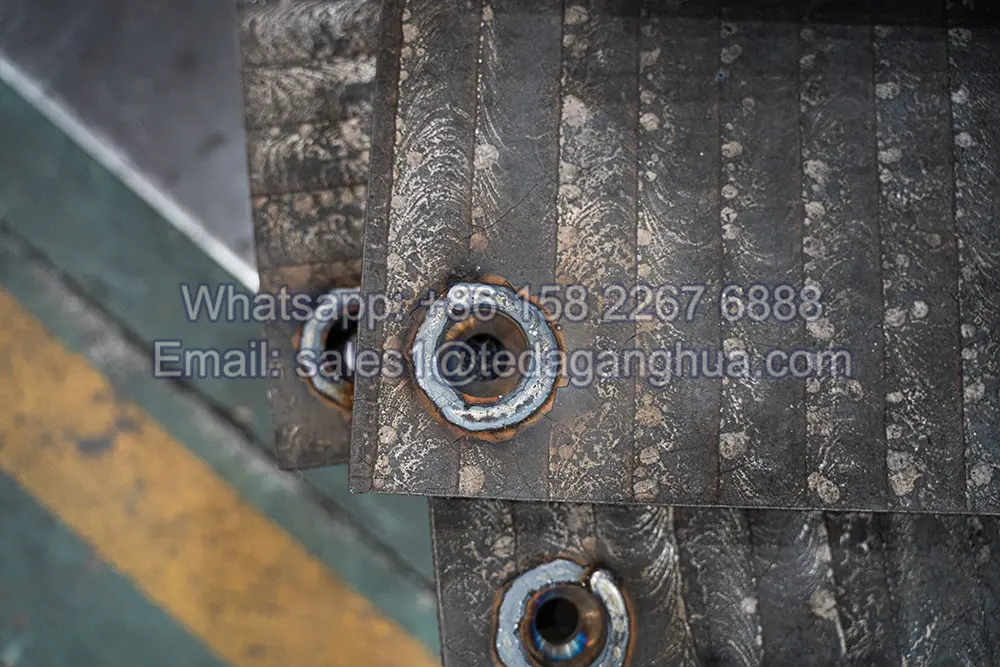
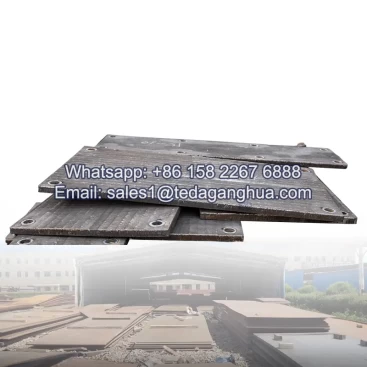
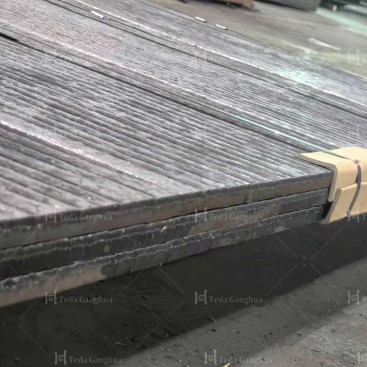
크롬 카바이드 오버레이 (CCO) 그릇 은 일종의 wear-resistant bimetallic steel plate where a 고경도 크롬탄화물층 is welded onto a mild steel base.
This combination provides:

  • 극도의 내마모성 (hardness up to 58–65 HRC)

  • 충격 강인함 기본 강철에서

  • 긴 서비스 수명 광산에서, 시멘트, 힘, 및 자재 취급 애플리케이션

CCO plates are widely used in 크러셔 라이너, 슬러리 슈트, 스크류 컨베이어, 호퍼, and impact areas.

Common Chromium Carbide Overlay Grades

등급 / 유형 오버레이 경도 (HRC) 기본 강철 오버레이 두께 (mm) 응용
CCO-1 / 1.0 mm weld 58-60HRC Q235 / 연강 3-6mm 가벼운 마모 부위, 폭포, 호퍼
CCO-2 / 2.0 mm weld 60-62HRC Q235 / S355 6-8mm 분쇄기, 피더, 컨베이어 라이너
CCO-3 / 3.0 mm weld 62-64HRC Q235 / NM400 8-12mm High abrasion areas, 영향 + wear zones
CCO-4 / 4.0 mm weld 64-65HRC NM400 / AR450 12–15 mm Severe wear zones, 광산 장비, 슬러리 파이프라인
CCO-5 / 5.0 mm weld 65 HRC AR400 / AR450 15-20mm 극심한 마모 적용, 해머 플레이트, 칼날

메모: Hardness is measured on the overlay surface. The base steel provides toughness and weldability.

Typical Plate Specifications

두께 (mm) 너비 (mm) 길이 (mm) Overlay Layer Thickness (mm) 메모
6-20 1000-2000 2000-6000 3-6 가벼운 마모 애플리케이션
8–25 1200-2000 2500-6000 6–10 중간 마모, 영향 + 연마
10-30 1500–2200 3000–8000 8-12 높은 마모, 적당한 영향
12-40 1500-2500 4000-12000 12-20 Severe abrasion and impact
20-50 1800-2500 6000-12000 15–25 Extreme mining and crushing zones

Key Advantages of Chromium Carbide Overlay Plates

  1. High Hardness Surface – Protects equipment from severe sliding abrasion.

  2. Tough Base Steel – Absorbs impact and prevents cracking.

  3. 맞춤형 두께 – Overlay and base thickness can be tailored for specific wear conditions.

  4. 긴 서비스 수명 – Up to 5–10× longer than ordinary wear plates.

  5. Versatile Applications – Mining, 시멘트, 발전소, 재활용, 및 자재 취급 장비.

산업용 애플리케이션

  • 채광: 크러셔 라이너, 호퍼, 폭포, 피더 플레이트

  • 시멘트 & 콘크리트: Slurry pipelines, 믹서 라이너, 스크류 컨베이어

  • 발전소: 재 처리 시스템, 석탄 낙하산

  • 재활용 산업: Shredder blades, 해머 플레이트, 영향 영역

  • 자재 취급: 컨베이어 라이너, 이송 슈트, 쓰레기통
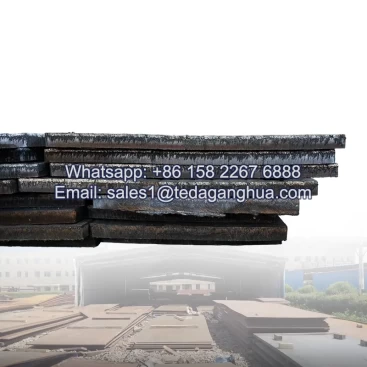
Hardfacing steel refers to steel components that have been coated with a hard, wear-resistant layer through overlay welding.
The hardfacing layer dramatically increases the abrasion, impact, and erosion resistance of industrial parts, extending service life in mining, 시멘트, 힘, 및 자재 취급 애플리케이션.

⚙️ Hardfacing Layer Structure

A typical hardfaced steel component has two main layers:

오버레이 레이어 (표면 경화층)

Made of high-alloy steel, 크롬 탄화물, or cobalt-based alloys.

경도: 50–65 HRC depending on the material.

기능: Protects against s영향, impact, and erosive wear.

Base Steel Layer

Usually mild steel (Q235), AR/NM wear steel, 또는 구조용 강철.

강인함 제공, 충격 저항, 구조적 지원.

🔧 Hardfacing Welding Processes

Several welding techniques are used to deposit the hardfacing layer:

Process	Description	Advantages
Submerged Arc Welding (봤다)	Large-scale welding with chromium carbide or hardfacing wires	High deposition rate, uniform layer thickness
Flux-Cored Arc Welding (FCAW)	Uses flux-cored wires with hard particles	Flexible, suitable for medium and small parts
Shielded Metal Arc Welding (SMAW)	Manual welding with hardfacing rods	Simple, ideal for repairs or field work
Plasma Transferred Arc (PTA)	High-energy plasma weld deposits powder overlay	Very high hardness, minimal dilution, excellent wear resistance
Key Considerations in Hardfacing

Overlay Thickness

Typically 3–20 mm depending on wear conditions.

Multi-pass welding may be used to build up the desired thickness.

예열 & Interpass Temperature

Thick steel components may require preheating (150–250°C) 갈라짐을 방지하기 위해.

Interpass temperature control ensures uniform hardness and minimal residual stress.

Dilution Control

Hardfacing steel refers to steel components that have been coated with a hard, wear-resistant layer through overlay welding.
The hardfacing layer dramatically increases the abrasion, impact, and erosion resistance of industrial parts, extending service life in mining, 시멘트, 힘, 및 자재 취급 애플리케이션.

⚙️ Hardfacing Layer Structure

A typical hardfaced steel component has two main layers:

오버레이 레이어 (표면 경화층)

Made of high-alloy steel, 크롬 탄화물, or cobalt-based alloys.

경도: 50–65 HRC depending on the material.

기능: Protects against s영향, impact, and erosive wear.

Base Steel Layer

Usually mild steel (Q235), AR/NM wear steel, 또는 구조용 강철.

강인함 제공, 충격 저항, 구조적 지원.

🔧 Hardfacing Welding Processes

Several welding techniques are used to deposit the hardfacing layer:

Process	Description	Advantages
Submerged Arc Welding (봤다)	Large-scale welding with chromium carbide or hardfacing wires	High deposition rate, uniform layer thickness
Flux-Cored Arc Welding (FCAW)	Uses flux-cored wires with hard particles	Flexible, suitable for medium and small parts
Shielded Metal Arc Welding (SMAW)	Manual welding with hardfacing rods	Simple, ideal for repairs or field work
Plasma Transferred Arc (PTA)	High-energy plasma weld deposits powder overlay	Very high hardness, minimal dilution, excellent wear resistance
Key Considerations in Hardfacing

Overlay Thickness

Typically 3–20 mm depending on wear conditions.

Multi-pass welding may be used to build up the desired thickness.

예열 & Interpass Temperature

Thick steel components may require preheating (150–250°C) 갈라짐을 방지하기 위해.

Interpass temperature control ensures uniform hardness and minimal residual stress.

Dilution Control

크롬 카바이드 오버레이

Hardfacing steel refers to steel components that have been coated with a hard, wear-resistant layer through overlay welding.
The hardfacing layer dramatically increases the abrasion, impact, and erosion resistance of industrial parts, extending service life in mining, 시멘트, 힘, 및 자재 취급 애플리케이션.

⚙️ Hardfacing Layer Structure

A typical hardfaced steel component has two main layers:

오버레이 레이어 (표면 경화층)

Made of high-alloy steel, 크롬 탄화물, or cobalt-based alloys.

경도: 50–65 HRC depending on the material.

기능: Protects against s영향, impact, and erosive wear.

Base Steel Layer

Usually mild steel (Q235), AR/NM wear steel, 또는 구조용 강철.

강인함 제공, 충격 저항, 구조적 지원.

🔧 Hardfacing Welding Processes

Several welding techniques are used to deposit the hardfacing layer:

Process	Description	Advantages
Submerged Arc Welding (봤다)	Large-scale welding with chromium carbide or hardfacing wires	High deposition rate, uniform layer thickness
Flux-Cored Arc Welding (FCAW)	Uses flux-cored wires with hard particles	Flexible, suitable for medium and small parts
Shielded Metal Arc Welding (SMAW)	Manual welding with hardfacing rods	Simple, ideal for repairs or field work
Plasma Transferred Arc (PTA)	High-energy plasma weld deposits powder overlay	Very high hardness, minimal dilution, excellent wear resistance
Key Considerations in Hardfacing

Overlay Thickness

Typically 3–20 mm depending on wear conditions.

Multi-pass welding may be used to build up the desired thickness.

예열 & Interpass Temperature

Thick steel components may require preheating (150–250°C) 갈라짐을 방지하기 위해.

Interpass temperature control ensures uniform hardness and minimal residual stress.

Dilution Control

Hardfacing steel refers to steel components that have been coated with a hard, wear-resistant layer through overlay welding.
The hardfacing layer dramatically increases the abrasion, impact, and erosion resistance of industrial parts, extending service life in mining, 시멘트, 힘, 및 자재 취급 애플리케이션.

⚙️ Hardfacing Layer Structure

A typical hardfaced steel component has two main layers:

오버레이 레이어 (표면 경화층)

Made of high-alloy steel, 크롬 탄화물, or cobalt-based alloys.

경도: 50–65 HRC depending on the material.

기능: Protects against s영향, impact, and erosive wear.

Base Steel Layer

Usually mild steel (Q235), AR/NM wear steel, 또는 구조용 강철.

강인함 제공, 충격 저항, 구조적 지원.

🔧 Hardfacing Welding Processes

Several welding techniques are used to deposit the hardfacing layer:

Process	Description	Advantages
Submerged Arc Welding (봤다)	Large-scale welding with chromium carbide or hardfacing wires	High deposition rate, uniform layer thickness
Flux-Cored Arc Welding (FCAW)	Uses flux-cored wires with hard particles	Flexible, suitable for medium and small parts
Shielded Metal Arc Welding (SMAW)	Manual welding with hardfacing rods	Simple, ideal for repairs or field work
Plasma Transferred Arc (PTA)	High-energy plasma weld deposits powder overlay	Very high hardness, minimal dilution, excellent wear resistance
Key Considerations in Hardfacing

Overlay Thickness

Typically 3–20 mm depending on wear conditions.

Multi-pass welding may be used to build up the desired thickness.

예열 & Interpass Temperature

Thick steel components may require preheating (150–250°C) 갈라짐을 방지하기 위해.

Interpass temperature control ensures uniform hardness and minimal residual stress.

Dilution Control