Пластина из карбида хрома


Пластины из карбида хрома требуют специальных методов обработки из-за их двухслойной структуры с твердым износостойким слоем и прочной стальной основой.. Резка, сварка, и методы изготовления должны быть тщательно выбраны, чтобы избежать повреждения твердосплавного слоя.. При правильной обработке, Пластины CCO обеспечивают превосходную износостойкость и длительный срок службы в сложных промышленных условиях, таких как горнодобывающая промышленность., цемент, и системы обработки сыпучих материалов.
- Описание
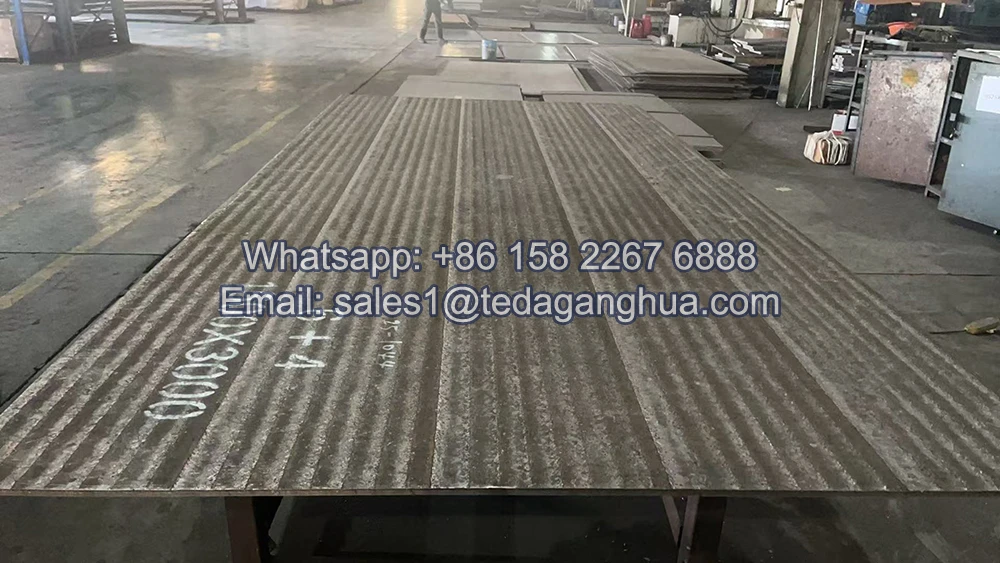
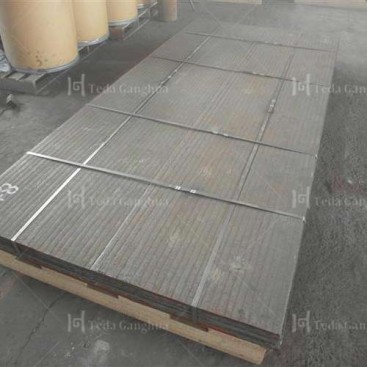
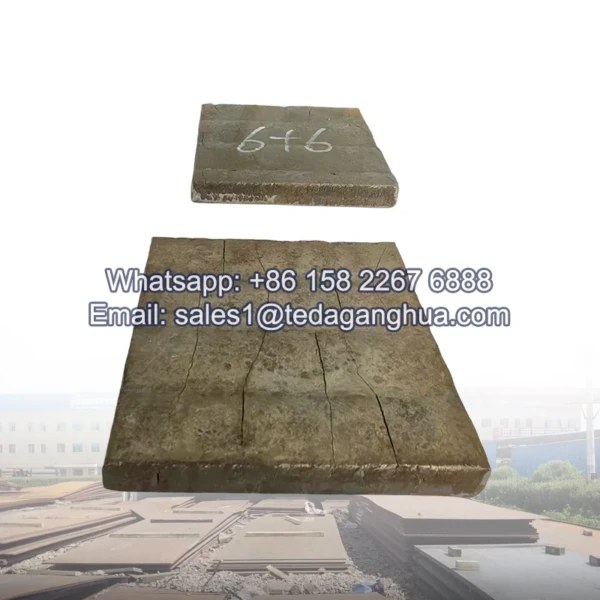
Пластина из карбида хрома (Табличка CCO) представляет собой износостойкую композитную стальную пластину, изготовленную путем сварки слоя сплава с высоким содержанием карбида хрома на опорную пластину из мягкой стали.. Благодаря чрезвычайно твердому поверхностному слою и высокой износостойкости., широко используется в горнодобывающей промышленности, цемент, производство электроэнергии, и промышленности по перевалке сыпучих материалов.
Из-за своей биметаллической структуры. (жесткое наложение + прочная базовая сталь), при изготовлении требуются специальные методы обработки.
Общие характеристики обработки
Пластины из карбида хрома имеют два отдельных слоя.:
- Hard overlay layer: Чрезвычайно высокая твердость (55–65 HRС)
- Base steel layer: Good toughness and structural support
This structure directly affects cutting, сварка, формирование, and installation processes.
Cutting Methods
Плазменная резка
Plasma cutting is the most commonly used method for CCO plates.
- Подходит для толстых пластин.
- Fast cutting speed
- Good efficiency for industrial production
- Slight edge hardening may occur
Углеродная дуговая резка
- Used for heavy-duty cutting
- Effective for thick or large plates
- Requires post-processing of edges
Abrasive Waterjet Cutting
- No heat affected zone
- Preserves coating integrity
- Высокая точность резки
- Suitable for complex shapes
Лазерная резка (Limited Use)
- Suitable for thin overlay plates
- Высокая точность
- Not commonly used for thick wear plates due to high hardness layer
Процесс сварки
Welding Chromium Carbide Plates requires careful control due to the hardness difference between layers.
Распространенные методы сварки
- Дуговая сварка защищенного металла (СМАВ)
- Дуговая сварка порошковой проволокой (Fcaw)
- Metal Inert Gas Welding (МНЕ)
Welding Considerations
- Preheating may be required depending on base steel thickness
- Low-hydrogen electrodes are recommended
- Avoid welding directly on the overlay layer when possible
- Focus welding on base steel for structural joints
Гибка и формовка
Chromium Carbide Plates have limited formability due to the hard surface layer.
Ключевые моменты
- Small-angle bending is possible under controlled conditions
- Large deformation is not recommended
- Rolling is generally restricted
- Cracking risk increases with tighter bending radius
Recommended Practice
- Bend from base steel side when possible
- Use larger bending radii
- Preheat in some applications to reduce stress
Drilling and Machining
Due to extreme surface hardness, machining is challenging.
Drilling Methods
- Carbide-tipped drill bits required
- Low speed and high torque recommended
- Cooling lubrication needed
Machining Notes
- Overlay layer is difficult to machine
- Grinding is often used instead of cutting tools
- Holes are preferably pre-designed before overlay production
Surface Grinding
Grinding is used for finishing or dimensional adjustment.
- Diamond grinding wheels recommended
- Used for surface leveling
- Helps remove minor surface irregularities
- Must be performed carefully to avoid overheating
Assembly and Installation
Chromium Carbide Plates are typically installed using:
- Bolt fastening systems
- Welding to base steel structures
- Mechanical clamping systems
Proper installation ensures:
- Resistance to vibration
- Длительный срок службы
- Стабильные характеристики износа
Fabrication Limitations
Due to the hard overlay structure:
- Not suitable for deep forming processes
- Not ideal for tight-radius bending
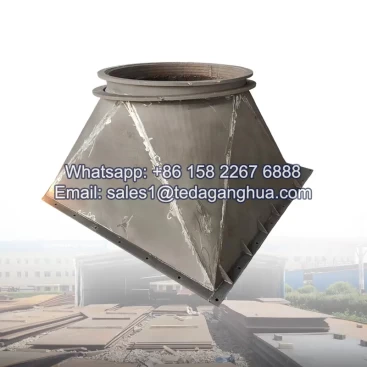
- Requires specialized tools for machining
- Heat input must be strictly controlled during welding