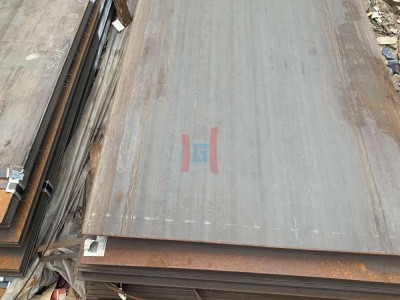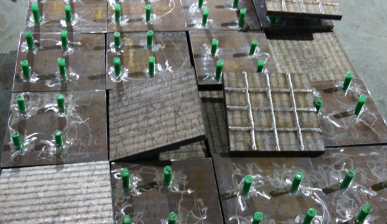
การตัดเหล็กแมงกานีสสูง: เหตุใดจึงไม่แนะนำให้ตัดเปลวไฟด้วยออกซิเจน-อะเซทิลีน
เทคโนโลยีการตัดเหล็กแมงกานีสสูง: เหตุใดจึงไม่แนะนำให้ตัดเปลวไฟด้วยออกซิเจน-อะเซทิลีน
High manganese steel is widely used in mining, บดขยี้, ระบบราง, และการใช้งานที่สึกหรอหนักเนื่องจากมีความสามารถในการชุบแข็งในงานและทนต่อแรงกระแทกได้ดีเยี่ยม. เกรดทั่วไป เช่น Mn13 อาจแข็งขึ้นอย่างมากหากได้รับแรงกระแทกซ้ำๆ, which makes them ideal for severe wear conditions.
อย่างไรก็ตาม, high manganese steel is also known as one of the most difficult wear-resistant materials to process. Cutting methods directly affect edge quality, internal structure, and final service performance. Among all cutting technologies, oxy-acetylene flame cutting is generally not recommended for high manganese steel.
What Makes High Manganese Steel Difficult to Cut?
The main challenge comes from its unique metallurgical behavior. High manganese steel usually contains 11–14% manganese and around 1.0–1.4% carbon. Its austenitic structure gives excellent toughness, but it is highly sensitive to heat.
| คุณสมบัติ | Effect on Cutting |
|---|---|
| มีความเหนียวสูง | Difficult to machine |
| Work hardening | Rapid hardness increase during processing |
| Heat sensitivity | Microstructure can change under high temperature |
| High carbon content | Higher cracking risk after thermal cutting |
เหตุใดจึงไม่แนะนำให้ตัดเปลวไฟด้วยออกซิเจน-อะเซทิลีน
1. Excessive Heat Input Causes Structural Damage
Oxy-acetylene cutting generates very high temperatures, often above 3000°C. This creates a large heat-affected zone around the cutting edge.
For high manganese steel, excessive heat can destroy the original austenitic structure and reduce toughness.
2. Carbide Precipitation Reduces Toughness
When exposed to prolonged high temperatures, carbides may precipitate along grain boundaries.
This leads to embrittlement and significantly lowers impact resistance, which is critical for wear-resistant applications.
3. High Risk of Edge Cracking
After flame cutting, the combination of thermal stress and brittle microstructure increases cracking risk.
| วิธีการตัด | ความเสี่ยงจากการแคร็ก |
|---|---|
| Oxy-acetylene | สูง |
| การตัดพลาสม่า | ปานกลาง |
| การตัดด้วยเลเซอร์ | ต่ำ |
| เครื่องตัดพลังน้ำ | ต่ำมาก |
4. Poor Edge Quality
Flame cutting often leaves rough edges, oxidation layers, and larger dimensional deviations. Additional grinding is usually required.

Recommended Cutting Methods for High Manganese Steel
| วิธีการตัด | ข้อดี | ดีที่สุดสำหรับ |
|---|---|---|
| การตัดด้วยเลเซอร์ | มีความแม่นยำสูง, clean edge | Thin to medium plates |
| การตัดพลาสม่า | Fast and efficient | แผ่นหนาปานกลางถึงหนา |
| เครื่องตัดพลังน้ำ | No thermal damage | High-value wear plates |
| Mechanical Cutting | Low thermal effect | Simple geometry |
How to Minimize Cutting Damage
- Use low heat input processes whenever possible
- Control cutting speed carefully
- Avoid prolonged heat concentration
- Use post-cut edge finishing if necessary
- Select cutting technology based on thickness
Teda Ganghua Wear-Resistant Steel Processing Services
ในฐานะผู้จำหน่ายเหล็กที่ทนต่อการสึกหรอแบบมืออาชีพ, เทดา กังฮวา provides high manganese steel and NM wear plate solutions for global industrial customers. We support advanced processing services including laser cutting, การตัดพลาสมา, การตัดที่แม่นยำ, and customized fabrication.
Our team helps customers choose the most suitable cutting process based on material grade, ความหนา, and application requirements to minimize thermal damage and maximize service life.
สำรวจผลิตภัณฑ์เหล็กทนทานต่อการสึกหรอของเราที่นี่:
แผ่นเหล็กทนการสึกหรอ
บทสรุป
Oxy-acetylene flame cutting is generally not recommended for high manganese steel because excessive heat can damage the microstructure, reduce toughness, and increase cracking risk. For better performance, ตัดด้วยเลเซอร์, การตัดพลาสมา, or water jet cutting are usually preferred.