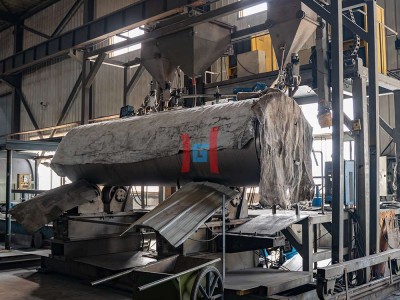
กระบวนการหุ้มอนุภาคโลหะผสมทังสเตนคาร์ไบด์
ภาพรวม
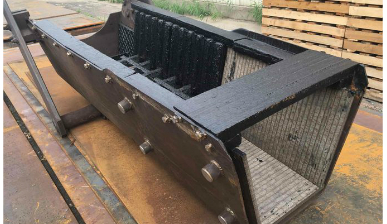
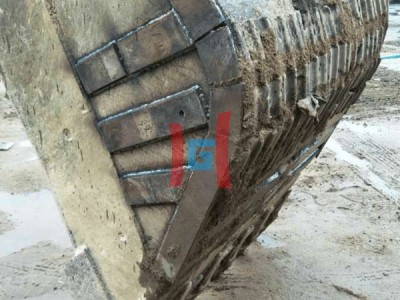
Originally, ที่ cladding process was used to repair workpieces and extend their service life. ด้วยความก้าวหน้า, tungsten carbide alloy particle cladding has been adopted, especially the ห้องสุขา + กระบวนการหุ้มอนุภาค MIG คาร์ไบด์, ซึ่งมีให้ effective surface protection.
ในงานอุตสาหกรรม, อนุภาคทังสเตนคาร์ไบด์ขนาดใหญ่ (40-60 ตาข่าย) can be successfully clad. Many manufacturers use mechanically crushed tungsten carbide, which reduces costs and ensures even distribution within the cladding layer. The process minimizes surface remelting and maintains a low diffusion rate of alloy elements, preventing brittleness in the composite layer.
Cladding Process Features
- High automation: The operation is automated and controlled within an equipment cabinet, มั่นใจ safety.
- Strong wear and corrosion resistance: The finished layer offers ความทนทาน in harsh environments.
Cladding Operation Steps
- Alloy Material Feeding
- ทังสเตนคาร์ไบด์ (ห้องสุขา) particles are clad directly onto the workpiece surface using an automated feeder with welding wire.
- Uniform Cladding
- The particles remain on the surface rather than settling at the bottom.
- Even Dispersion
- Mechanized application ช่วยให้มั่นใจ uniform particle distribution throughout the wear-resistant layer.
- As the material cools, ความต้านทานการสึกหรอ ดีขึ้น.
- Enhanced Performance
- The cladding improves both ความต้านทานการสึกหรอ และ ทนต่อแรงกระแทก of the workpiece.
- Practical Applications
- This process is คุ้มค่า, รักษา คุณภาพสูง, and offers aesthetic advantages.
- การทดสอบ confirms its reliability in extreme conditions with excellent impact wear resistance.
- Advantages Over Plasma Cladding
- นี้ tungsten carbide cladding process ข้อเสนอ specific benefits compared to plasma cladding.
Future Development
With ongoing process improvements, tungsten carbide wear-resistant cladding will continue to evolve. Further research and application will expand its ความสามารถ และ ประสิทธิภาพ.