- คำอธิบาย
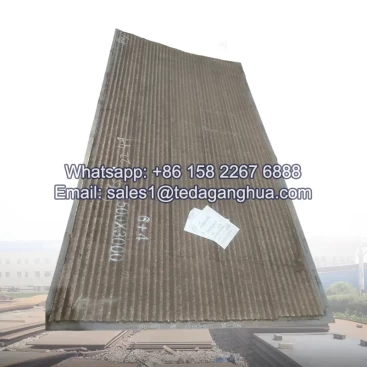
แผ่นซ้อนทับ: Wear Resistance Mechanism of Hardfaced Weld Layers
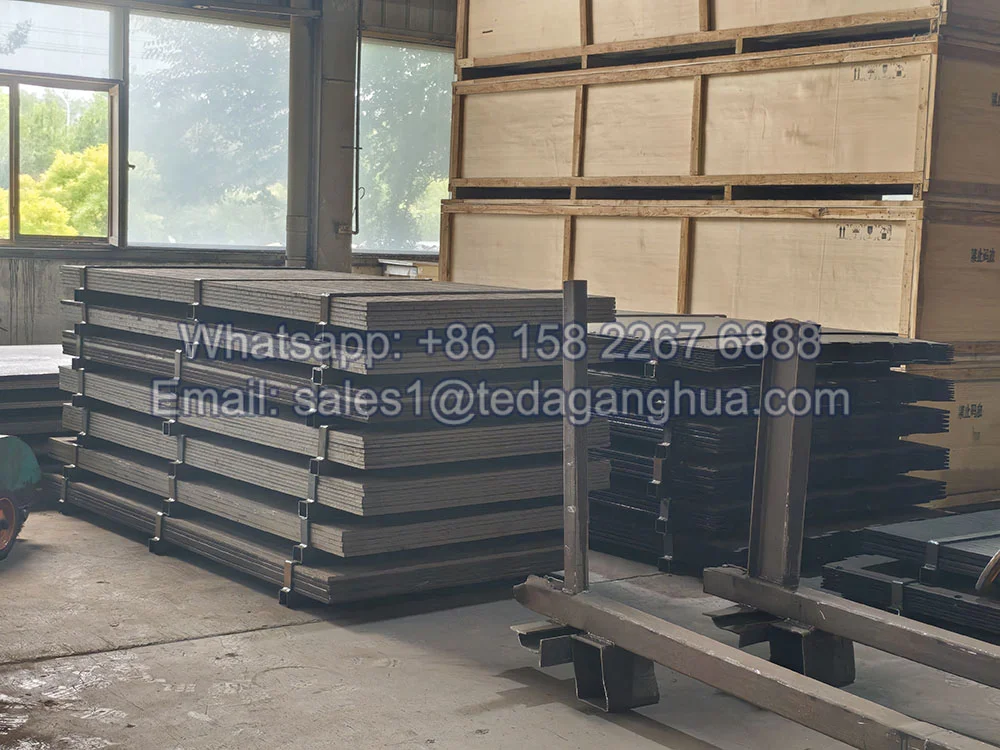
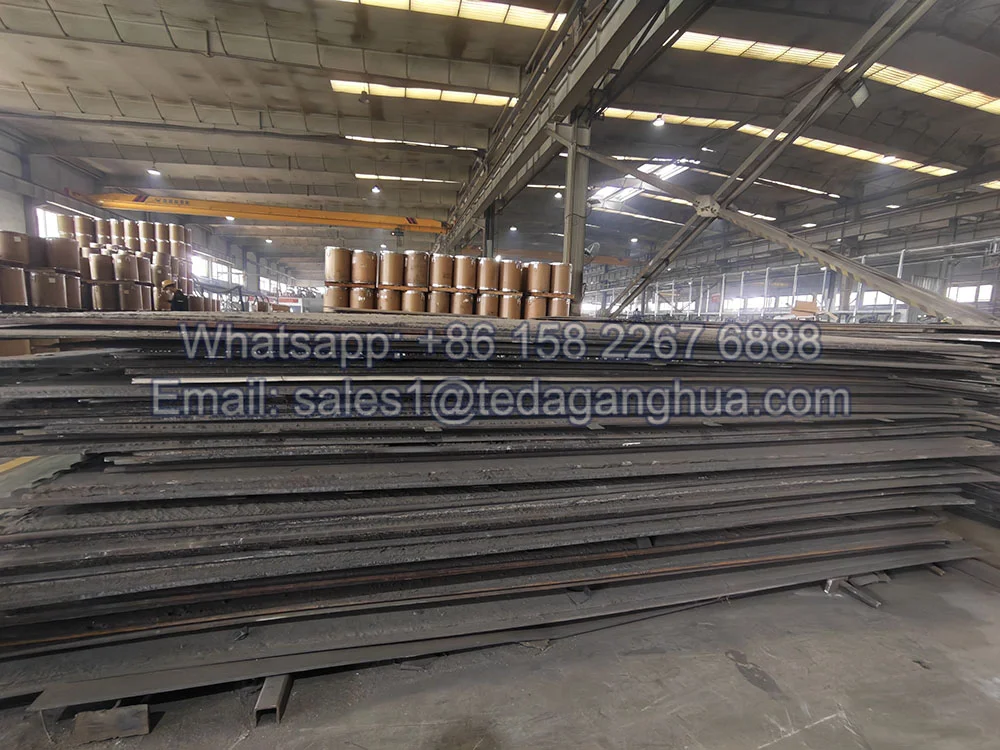
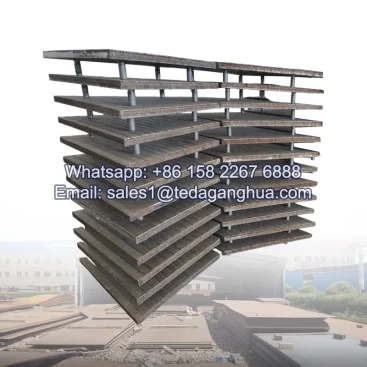
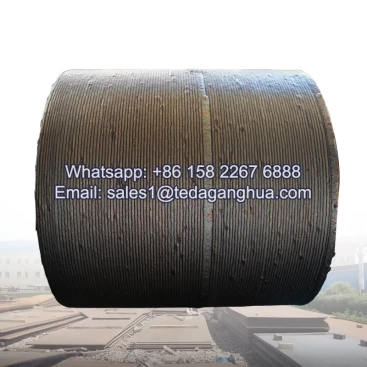
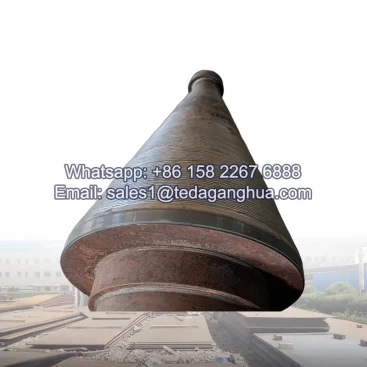
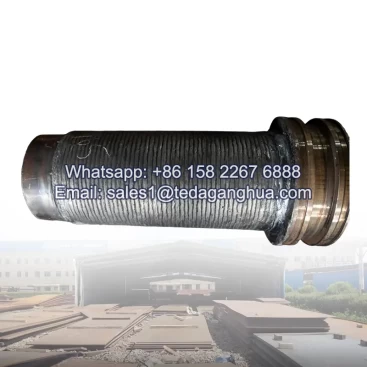
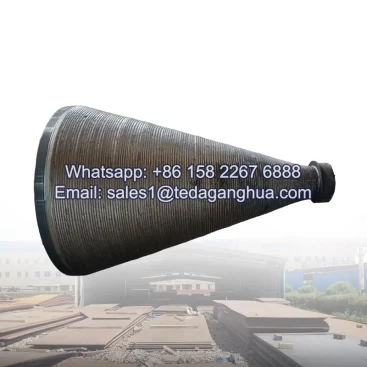
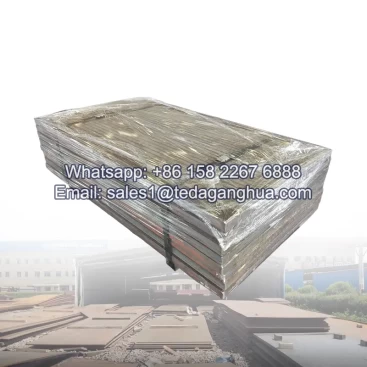
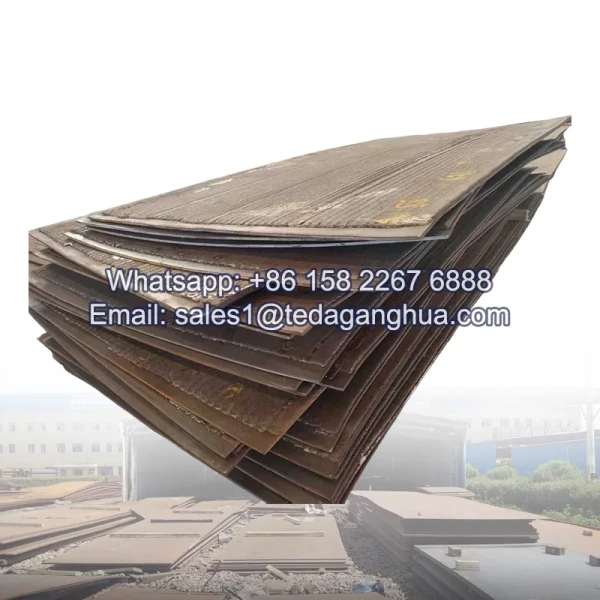
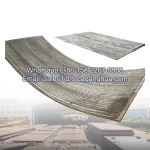
Overlay plate (also called hardfaced plate or weld overlay wear plate) is a composite steel product that achieves high wear resistance by depositing a hard alloy layer onto a steel base plate through welding. Its excellent performance does not come from the base steel, but from the metallurgical structure of the overlay layer.
The wear resistance mechanism is mainly based on the interaction between hard carbides, alloy matrix, and surface stress behavior.
1. Hard Carbide Reinforcement Mechanism
| องค์ประกอบ / Phase | ฟังก์ชั่นในการต้านทานการสึกหรอ |
|---|---|
| โครเมียมคาร์ไบด์ (Cr7C3, Cr23C6) | Primary hard phase resisting abrasion |
| คาร์บอน (ค) | Forms carbide structures with chromium |
| เมทริกซ์ที่มีธาตุเหล็ก | Supports and holds carbides in place |
| องค์ประกอบการผสม (ไม่มี, โม, วี) | Refines carbide distribution and improves stability |
The hard carbides act like “micro cutting tools” that resist scratching and cutting from abrasive particles.
2. Two-Phase Composite Wear Structure
The overlay layer is a dual-phase structure:
- เฟสยาก: Carbides (ความแข็งสูง, resist wear)
- Tough matrix: Metal binder (absorbs impact and holds structure)
This combination provides both hardness and limited toughness, which is essential for industrial wear conditions.
3. Abrasive Wear Resistance Mechanism
| Wear Type | How Overlay Layer Works |
|---|---|
| การเสียดสีแบบเลื่อน | Carbides resist cutting and micro-scratching |
| การพังทลายของอนุภาค | Hard surface reduces material loss from impact particles |
| Friction wear | Reduces surface deformation and groove formation |
4. Stress Distribution and Crack Behavior
ระหว่างการเชื่อม, controlled micro-cracks may form on the surface:
- They help release residual stress
- They prevent large-scale fracture
- They do not reduce wear performance
This stress-relief behavior helps maintain long-term stability under heavy wear conditions.
5. Bonding Strength Mechanism
Overlay plates are not mechanically attached—they are ถูกผูกมัดทางโลหะ.
- Strong fusion between overlay and base plate
- ไม่มีการหลุดล่อนภายใต้สภาพการทำงานปกติ
- Improved load transfer capability
6. Why Overlay Plates Last Longer Than Ordinary Steel
| ปัจจัย | Effect on Service Life |
|---|---|
| ความแข็งผิวสูง | Reduces material loss rate |
| การเสริมแรงด้วยคาร์ไบด์ | Prevents cutting wear |
| Composite structure | Balances wear resistance and toughness |
| Controlled alloy design | Improves stability in harsh conditions |
7. Teda Ganghua Overlay Plate Supply Capability
ในฐานะผู้จำหน่ายเหล็กที่ทนต่อการสึกหรอแบบมืออาชีพ, เทดา กังฮวา provides high-performance overlay plates with optimized carbide structures for mining, ปูนซีเมนต์, เหล็ก, และอุตสาหกรรมพลังงาน. We focus on improving wear resistance through controlled alloy design and stable welding processes.
We also support customized cutting, การประดิษฐ์, and wear system engineering based on real working environments.
สำรวจผลิตภัณฑ์เหล็กทนทานต่อการสึกหรอของเราที่นี่:
แผ่นซ้อนทับโครเมียมคาร์ไบด์
บทสรุป
The wear resistance of overlay plates comes from hard carbide reinforcement, composite dual-phase structure, and metallurgical bonding. These mechanisms work together to significantly reduce material loss under abrasion, making overlay plates one of the most effective industrial wear solutions.