- คำอธิบาย
Triple Layer Wear Plate: When the Toughest Conditions Demand the Maximum Overlay Protection
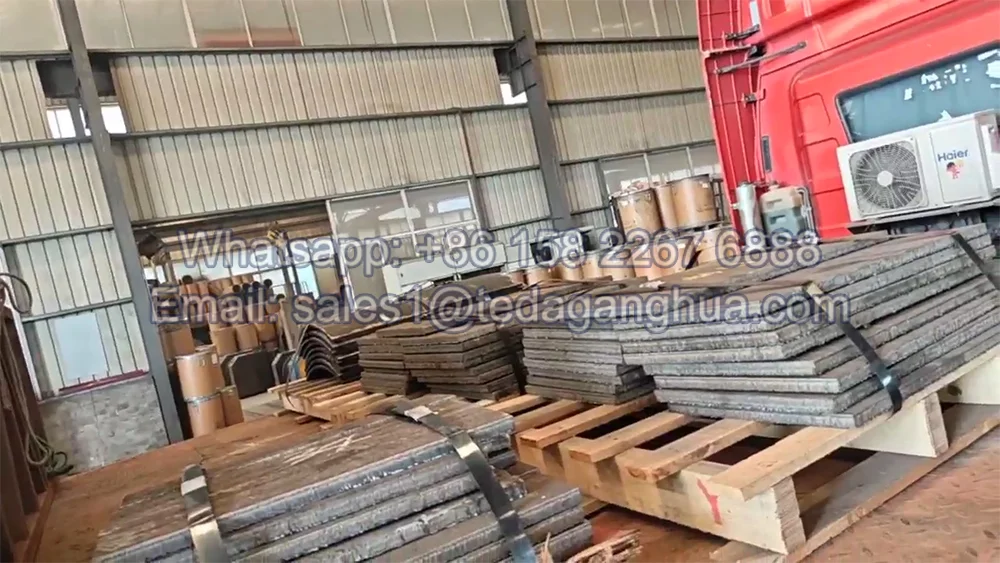
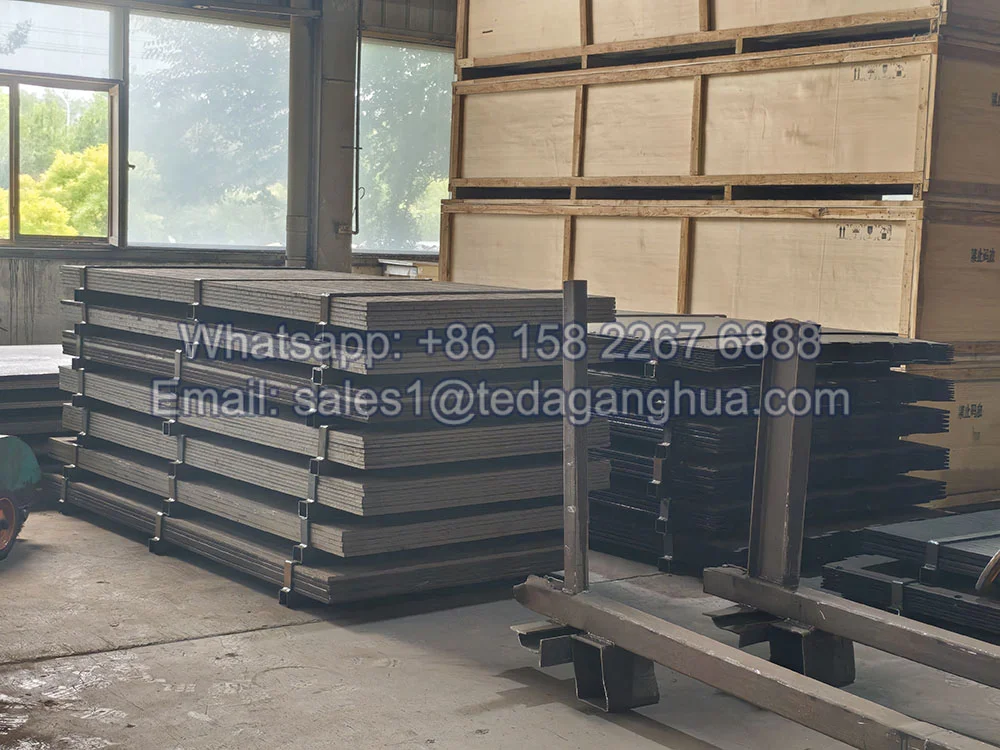
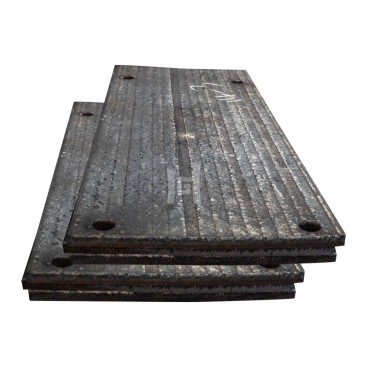
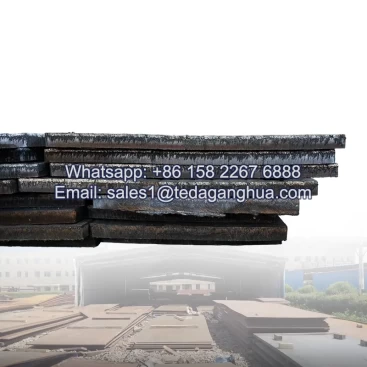
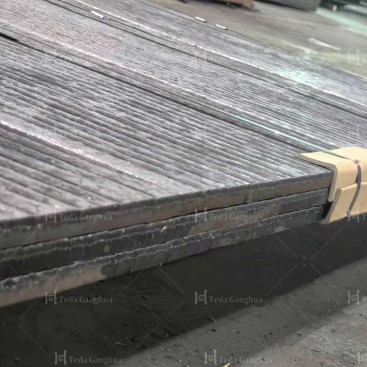
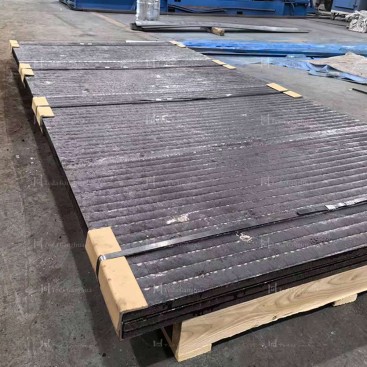
Triple layer wear plate represents the highest level of weld overlay technology for extreme abrasion and impact environments. Unlike conventional single-layer or double-layer wear plates, a three-layer structure creates a controlled hardness gradient from the steel substrate to the wear surface, combining impact resistance, bonding reliability, and maximum abrasion protection.
This design solves a common failure problem in heavy-duty applications: extremely hard surfaces often provide excellent abrasion resistance but may crack or spall under severe impact. By introducing intermediate transition layers, triple layer overlay plates achieve a better balance between toughness and hardness.
1. The Three-Layer Metallurgical Structure Explained
The performance advantage of triple layer wear plates comes from the optimized hardness distribution across the overlay thickness.
| ชั้น | ความแข็งทั่วไป | ฟังก์ชั่นหลัก |
|---|---|---|
| First Layer (Transition Layer) | เหล็กแผ่นรีดร้อน 45-50 | High toughness buffer layer, improves bonding and absorbs impact stress |
| Second Layer (Intermediate Hardening Layer) | เหล็กแผ่นรีดร้อน 55-58 | Balances hardness and toughness, supports upper wear layer |
| Third Layer (Surface Wear Layer) | เหล็กแผ่นรีดร้อน 62-65 | Provides maximum abrasion resistance against severe wear |
The gradient structure reduces sudden hardness changes between the base plate and the surface alloy. This minimizes internal stress concentration and lowers the risk of overlay cracking or separation during heavy impact conditions.
2. Why Triple Layer Structure Performs Better Under Heavy Impact
A single ultra-hard overlay layer can resist abrasion effectively, but when exposed to repeated impact loads, stress may transfer directly to the bonding interface and cause premature failure.
Triple layer wear plates work differently:
- The first layer absorbs impact energy and protects the metallurgical bonding zone.
- The second layer distributes mechanical stress through the overlay thickness.
- The third layer provides maximum resistance against abrasive particles.
This layered structure prevents the entire overlay from cracking or peeling when equipment experiences repeated impact, การสั่นสะเทือน, and heavy material loading.
3. Triple Layer vs Double Layer vs Single Layer Wear Plate
| โครงสร้าง | ช่วงความแข็ง | ทนต่อแรงกระแทก | ความต้านทานต่อการเสียดสี | อายุการใช้งานโดยทั่วไป |
|---|---|---|---|---|
| Single Layer | เหล็กแผ่นรีดร้อน 55-60 | ปานกลาง | ดี | Standard wear applications |
| Double Layer | เหล็กแผ่นรีดร้อน 58-62 | สูง | ดีมาก | About 2× single layer in suitable conditions |
| Triple Layer | เหล็กแผ่นรีดร้อน 62-65 พื้นผิว | ยอดเยี่ยม | สูงสุด | Designed for extreme abrasion and impact |
4. Lifetime Cost Analysis: Why Higher Initial Cost Can Reduce Total Expenses
Triple layer wear plates usually require a higher initial investment because of additional overlay passes and more complex alloy control. อย่างไรก็ตาม, in severe operating conditions, longer replacement intervals can significantly reduce total maintenance costs.
| รายการ | Single Layer Plate | Double Layer Plate | Triple Layer Plate |
|---|---|---|---|
| ต้นทุนวัสดุเริ่มต้น | Lowest | ปานกลาง | Highest |
| ความหนาซ้อนทับ | มาตรฐาน | Increased | Maximum protection |
| Replacement Frequency | สูง | ลดลง | Lowest in extreme wear conditions |
| Maintenance Downtime | สูงกว่า | ต่ำกว่า | Minimum |
| Total Lifecycle Cost | High for severe wear | สมดุล | Lowest for extreme applications |
For equipment operating continuously under severe abrasion, the cost of shutdown, labor, and replacement often exceeds the additional purchase cost of a triple layer wear plate.
5. Typical Applications of Triple Layer Wear Plate
Triple layer overlay plates are mainly selected for equipment exposed to both high abrasion and repeated impact.
| อุตสาหกรรม | แอปพลิเคชัน | Main Wear Challenge |
|---|---|---|
| การทำเหมืองแร่ | Crusher hammers, เครื่องให้อาหาร, น้ำตก | ผลกระทบสูง + abrasive minerals |
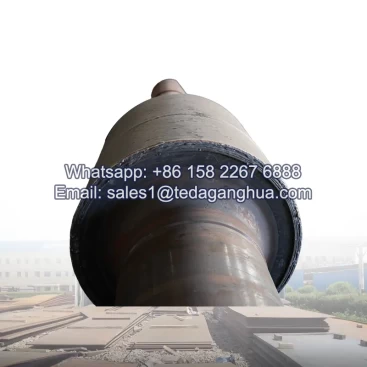
| ปูนซีเมนต์ | Large ball mill liners, clinker handling equipment | Continuous grinding abrasion |
| ท่าเรือ & Bulk Handling | Ship unloader hoppers, transfer systems | Heavy material impact and sliding wear |
| อุตสาหกรรมเหล็ก | Raw material conveying equipment | High temperature and severe abrasion |
6. Triple Layer Overlay Plate Selection Guidelines
Not every wear application requires three overlay layers. The correct structure depends on the balance between abrasion level and impact intensity.
- Single layer: Suitable for moderate abrasion with limited impact.
- Double layer: Suitable for heavy abrasion with medium impact conditions.
- Triple layer: Recommended for extreme abrasion combined with strong impact and continuous operation.
7. Teda Ganghua Triple Layer Wear Plate Solutions
Teda Ganghua supplies advanced chromium carbide overlay plates designed for mining, ปูนซีเมนต์, เหล็ก, การผลิตกระแสไฟฟ้า, และอุตสาหกรรมการขนถ่ายวัสดุเทกอง.
Our wear-resistant solutions feature:
- Multi-layer alloy overlay technology
- Controlled hardness gradient design
- Strong metallurgical bonding between layers and substrate
- Customized overlay thickness and dimensions
- Technical support for severe wear applications
With professional alloy design and manufacturing control, Teda Ganghua helps customers reduce equipment downtime and extend component service life in the most demanding working environments.
Learn more:
Chromium Carbide Overlay Plate Solutions
บทสรุป
Triple layer wear plates provide maximum protection where conventional wear materials fail. Through a transition layer, intermediate hardening layer, and ultra-hard surface layer, this structure delivers superior resistance against impact, รอยขีดข่วน, and fatigue.
For crushers, โรงสีลูกบอล, and port handling equipment operating under extreme conditions, triple layer overlay technology can provide the lowest lifecycle cost by reducing replacement frequency and maintenance downtime.