
- Sự miêu tả
Double Layer Wear Plate: The Most Cost-Effective Overlay Configuration for Moderate to Heavy Wear Conditions
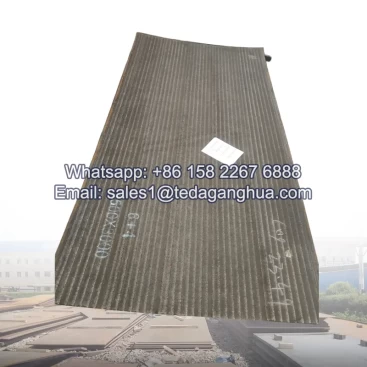
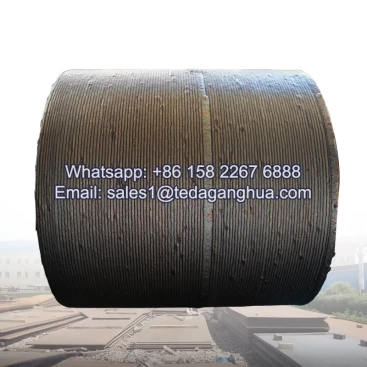
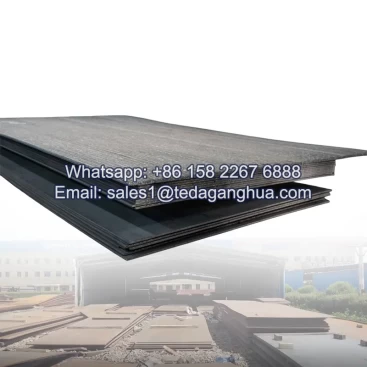
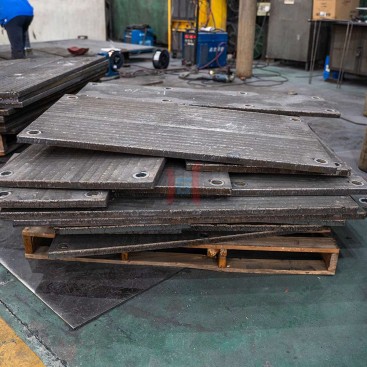
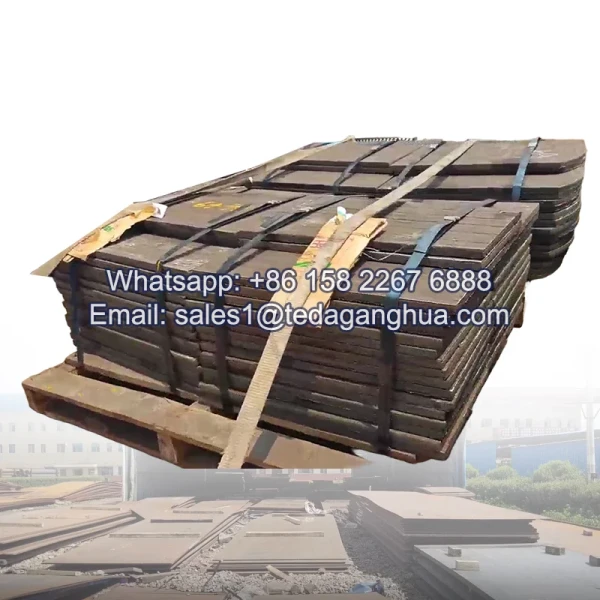
Double layer wear plate technology has become one of the most widely selected solutions for industries requiring reliable abrasion protection without the additional cost of extreme multi-layer overlay systems. By adding a second hardfacing layer, manufacturers can significantly improve surface hardness, phân phối cacbua, and service life compared with single-layer overlay plates.
For moderate to heavy wear applications, double layer overlay plates often provide the best balance between initial investment and long-term operating cost.
1. Why Double Layer Overlay Performs Better Than Single Layer Plate
A single overlay layer is directly affected by dilution from the steel substrate. Trong quá trình hàn, iron from the base plate mixes into the first deposited alloy layer, reducing chromium carbide formation and lowering surface hardness.
The second overlay layer minimizes substrate influence and allows the wear-resistant alloy to achieve its designed chemical composition and microstructure.
| Overlay Configuration | Typical Surface Hardness | Wear Performance |
|---|---|---|
| Single Layer Overlay | HRC 52-55 | Standard abrasion protection |
| Double Layer Overlay | HRC 58-62 | Approximately 2× longer wear life |
| Triple Layer Overlay | HRC 60-65 | Maximum wear protection for extreme conditions |
2. Metallurgical Advantage of Two-Layer Structure
A double layer wear plate normally consists of:
- First overlay layer: Creates a strong metallurgical bond with the base steel and absorbs dilution effects.
- Second overlay layer: Provides the final wear surface with higher chromium carbide concentration and improved hardness stability.
This structure creates a balanced combination of toughness from the steel substrate and extreme abrasion resistance from the carbide-rich surface layer.
3. Double Layer vs Triple Layer: Cost and Performance Comparison
| Configuration | Manufacturing Cost Increase | Service Life Improvement | Recommended Application |
|---|---|---|---|
| Single Layer | Base cost | Standard life | Light to moderate abrasion |
| Double Layer | Khoảng +40% | About 2× service life | Moderate to heavy wear conditions |
| Triple Layer | Khoảng +80% | About 2.5-3× service life | Extreme abrasion and continuous impact |
For many industrial applications, the double layer configuration provides the highest return on investment because the additional manufacturing cost is relatively limited while wear resistance improves significantly.
4. How to Choose Between Double Layer and Triple Layer Wear Plate
| Wear Condition | Recommended Solution | Ứng dụng điển hình |
|---|---|---|
| Low abrasion | Single layer overlay | Light material handling equipment |
| Độ mài mòn trung bình đến nặng | Double layer overlay | Thác, Hoppers, lót xe tải, băng tải |
| Sự mài mòn cực độ + sự va chạm | Triple layer overlay | Máy nghiền khai thác, clinker systems, severe impact zones |
5. Common Applications of Double Layer Wear Plate
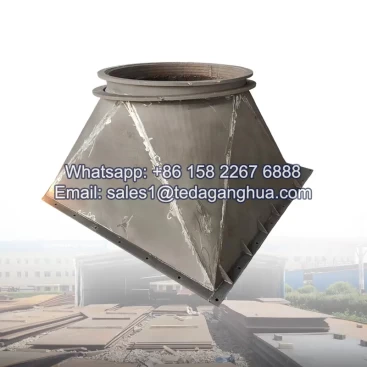
Double layer chromium carbide overlay plates are widely used in industries where equipment faces continuous sliding abrasion and moderate impact.
- Lớp lót thiết bị khai thác mỏ
- Máng và phễu nhà máy xi măng
- Hệ thống xử lý than
- Truck dump body liners
- Feeding and conveying equipment
- Steel plant wear components
6. Thickness Verification Before Purchasing Wear Plate
Overlay thickness is one of the most important factors affecting actual service life. Buyers should verify both total thickness and effective wear layer thickness before placing orders.
| Inspection Item | Verification Method |
|---|---|
| Tổng độ dày tấm | Measure with calibrated thickness gauge at multiple points |
| Độ dày lớp phủ | Ultrasonic thickness measurement or cross-section inspection |
| Hardness Distribution | Multiple-point hardness testing from surface to substrate |
| Bond Quality | Bend test, impact test, or metallographic examination |
A common purchasing mistake is comparing wear plates only by total thickness. Two plates with the same thickness may have completely different service lives if the overlay thickness and hardness are different.
7. Teda Ganghua Double Layer Wear Plate Solutions
Teda Ganghua provides chromium carbide overlay plates engineered for mining, xi măng, thép, sản xuất điện, and heavy industrial wear applications.
Our double layer overlay solutions feature:
- Controlled multi-pass welding technology
- Stable HRC 58-62 wear surface hardness
- Uniform chromium carbide distribution
- Customized overlay thickness options
- CNC cutting and fabrication services
- Application-based material recommendations
Through optimized alloy design and controlled welding processes, Teda Ganghua helps customers reduce maintenance frequency and improve equipment operating efficiency.
Learn more:
Phần kết luận
Double layer wear plate technology delivers an excellent balance between performance and cost. Compared with single-layer plates, it can increase hardness from approximately HRC 52-55 to HRC 58-62 and extend service life by around two times.
For moderate to heavy wear conditions, double layer overlay plates are often the most economical choice. Triple layer systems should be reserved for extreme abrasion environments where maximum service life is required.