

- Sự miêu tả
Multi-Layer Weld Overlay Plate: Why Two or Three Passes Deliver Better Wear Performance Than a Single Thick Layer
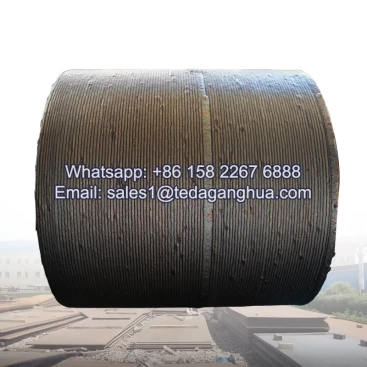
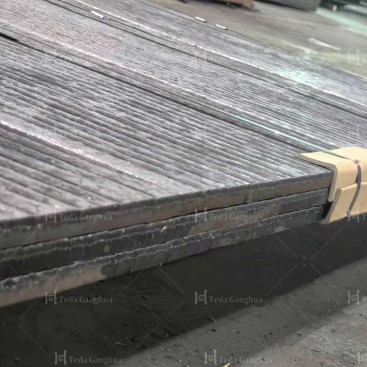
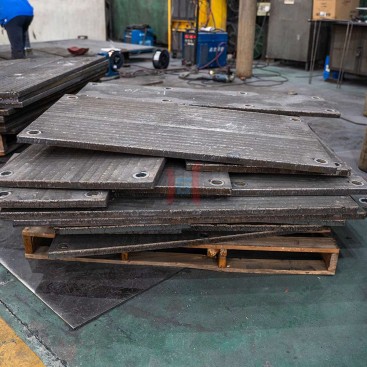
Multi-layer weld overlay technology is a critical advancement in manufacturing high-performance wear-resistant plates. Compared with a single thick overlay layer, two or three welding passes can provide higher hardness stability, better carbide distribution, and significantly improved service life.
The reason is simple: the first overlay layer is affected by dilution from the base steel, while additional layers allow the wear-resistant alloy composition to fully develop and achieve the designed microstructure.
1. Why Single-Layer Overlay Has Performance Limitations
During the first welding pass, the molten overlay material mixes with elements from the steel substrate. This dilution changes the chemical composition of the deposited layer.
The result is:
- Lower chromium carbide formation
- Reduced hardness near the interface
- Less uniform wear resistance
- Higher risk of premature surface wear
| Lớp phủ | Đặc điểm chính |
|---|---|
| First Layer | Higher substrate dilution, lower hardness, transition bonding layer |
| Second Layer | Improved alloy concentration and higher carbide formation |
| Third Layer | Maximum wear resistance with optimized microstructure |
2. How Multi-Layer Overlay Improves Wear Performance
Lớp 1: Metallurgical Bonding Foundation
The first pass creates a strong metallurgical connection between the substrate and overlay alloy. Although hardness is lower because of dilution, this layer provides excellent structural support.
Lớp 2: Designed Wear Alloy Formation
The second pass receives less influence from the base steel. crom, cacbon, and alloying elements remain closer to their designed levels, allowing more carbide formation and higher hardness.
Lớp 3: Microstructure Optimization
Additional passes refine the carbide distribution and create a more uniform wear surface with improved resistance against abrasion.
3. Hardness Gradient: Single Layer vs Multi-Layer Overlay
| Overlay Structure | Near Interface Hardness | Độ cứng bề mặt | Hiệu suất |
|---|---|---|---|
| Single Layer | Lower due to dilution | HRC 55-60 | Faster initial wear |
| Two Layers | Higher transition hardness | HRC 58-62 | Cải thiện khả năng chống mài mòn |
| Three Layers | Stable hardness gradient | HRC 60-65 | Maximum service life |
A multi-layer structure creates a gradual hardness transition from the tough steel substrate to the extremely hard wear surface, reducing the risk of cracking and delamination.
4. Phân phối cacbua: Why More Layers Create Better Microstructure
Chromium carbide overlay performance depends not only on hardness but also on carbide size, distribution, and matrix support.
| Kết cấu | Carbide Characteristics | Wear Performance |
|---|---|---|
| Single Pass | Uneven carbide distribution caused by dilution | Chống mài mòn vừa phải |
| Two Passes | More consistent carbide formation | Khả năng chống mài mòn cao hơn |
| Three Passes | Fine and evenly distributed carbides | Superior abrasion protection |
5. ASTM G65 Abrasion Test Performance Comparison
ASTM G65 dry sand rubber wheel testing is widely used to evaluate abrasion resistance of overlay materials.
| Overlay Design | Expected Wear Loss | Cuộc sống phục vụ |
|---|---|---|
| Single Layer Overlay | Higher material loss | Standard protection |
| Two Layer Overlay | Reduced wear loss | Approximately 1.5-2× improvement |
| Three Layer Overlay | Lowest wear loss | Approximately 2-3× longer service life |
6. Cost vs Performance: Is Multi-Layer Overlay Worth It?
Multi-layer weld overlay requires additional welding passes, increasing manufacturing cost. Typical production costs may increase by approximately 40-80% depending on thickness and alloy system.
Tuy nhiên, the longer service life often creates a lower total operating cost.
| Nhân tố | Single Layer | Multi-Layer Overlay |
|---|---|---|
| Initial Cost | Thấp hơn | Cao hơn |
| Hardness Stability | Vừa phải | Xuất sắc |
| Phân phối cacbua | Less Uniform | Optimized |
| Tần suất thay thế | Cao hơn | Thấp hơn |
| Total Lifecycle Cost | Higher in severe wear conditions | Lower over long service periods |
7. Applications Where Multi-Layer Overlay Is Recommended
Two or three-pass overlay technology is especially valuable in extreme abrasion environments, bao gồm:
- lót xe tải khai thác mỏ
- Cement plant chutes
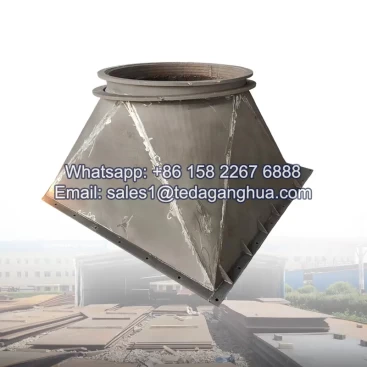
- Tấm mài mòn máy nghiền
- Thiết bị xử lý than
- Steel production wear components
- Băng tải vật liệu số lượng lớn
8. Teda Ganghua Multi-Layer Wear Plate Solutions
Teda Ganghua supplies advanced chromium carbide overlay plates designed for severe abrasion and long-term industrial operation.
Our capabilities include:
- Single-layer and multi-layer hardfacing solutions
- Customized overlay thickness design
- Chromium carbide and complex carbide systems
- CNC cutting and fabrication services
- Application-based wear material recommendations
By controlling welding parameters, thành phần hợp kim, layer structure, and quality inspection procedures, Teda Ganghua helps customers achieve longer equipment life and reduced maintenance downtime.
Learn more:
Phần kết luận
Multi-layer weld overlay plates provide superior wear performance because each additional layer improves alloy purity, phân phối cacbua, and hardness stability.
Although production costs increase compared with single-layer solutions, two or three-pass overlay designs can extend service life by 2-3 times in severe abrasion applications, making them a cost-effective solution for demanding industries.