
- Sự miêu tả
Thermal Spray vs Weld Overlay: Understanding When Sprayed Coatings Work and When You Need Metallurgical Bonding
When selecting a wear protection solution, many engineers compare thermal spray coatings and weld overlay technology. Although both methods can improve surface wear resistance, their bonding mechanisms, coating thickness capabilities, chống va đập, and application boundaries are fundamentally different.
Thermal spray is mainly designed for precision surface enhancement, bảo vệ chống ăn mòn, and dimensional restoration, while weld overlay is engineered for severe abrasion, impact loading, and thick wear-resistant layers in demanding industrial environments.
1. The Fundamental Difference: Mechanical Bonding vs Metallurgical Bonding
The biggest difference between thermal spray and weld overlay lies in how the coating attaches to the base material.
| Tính năng | Sơn phun nhiệt | Lớp phủ hàn |
|---|---|---|
| Bonding Mechanism | Mechanical interlocking between sprayed particles and substrate surface | Metallurgical fusion between overlay alloy and base steel |
| Typical Bond Strength | Khoảng 50-80 MPa | 300 MPa+ |
| Đầu vào nhiệt | Thấp | Higher due to melting process |
| Coating Thickness | 0.1-0.5 mm typical | 3-10 mm or more |
| Chống va đập | Giới hạn | Xuất sắc |
2. How Thermal Spray Technologies Work
Thermal spraying uses heat energy to melt or soften coating materials, which are then accelerated onto the substrate surface to form a protective layer.
The process does not normally melt the substrate itself, allowing low thermal distortion and excellent dimensional control.
HVOF (Nhiên liệu oxy tốc độ cao)
HVOF uses high-speed combustion gases to accelerate powder particles toward the substrate. It produces dense coatings with excellent hardness and low porosity.
Các ứng dụng điển hình bao gồm:
- Carbide coatings for shafts and rollers
- Corrosion-resistant industrial components
- Precision wear surfaces
Plasma Spray
Plasma spray generates an extremely high-temperature plasma arc to melt ceramic, kim loại, and alloy powders.
- Suitable for ceramic coatings
- Used in aerospace and high-temperature applications
- Provides excellent heat resistance
Arc Spray
Arc spray uses an electric arc between two metal wires to melt coating material before spraying it onto the surface.
- Lower equipment cost
- Suitable for large-area corrosion protection
- Common for zinc, nhôm, and alloy coatings
3. Why Weld Overlay Performs Better in Heavy Wear Applications
Weld overlay creates a metallurgical bond because the deposited alloy melts together with the substrate surface. This fusion zone provides significantly higher resistance against impact, rung động, and repeated abrasion.
Đối với các ngành công nghiệp như khai thác mỏ, xi măng, sản xuất thép, và xử lý vật liệu số lượng lớn, wear layers often need several millimeters of protection. Thermal spray coatings are generally too thin for these environments.
| Wear Condition | Recommended Technology |
|---|---|
| Light abrasion and surface friction | Thermal spray coating |
| Ăn mòn + mild wear | HVOF / Plasma spray |
| Heavy sliding abrasion | Chromium carbide weld overlay plate |
| High impact and material collision | Weld overlay or impact-resistant wear plate |
| Wear layer requirement above 3 mm | Weld overlay technology |
4. Thermal Spray Application Limits in Wear Plates
Thermal spray technology has clear advantages, but it is not a universal replacement for weld overlay.
It is generally unsuitable for:
- Heavy impact conditions
- Large mining liners
- Linh kiện máy nghiền
- Thick sacrificial wear layers
- Applications requiring strong metallurgical bonding
When coating thickness increases, the risk of cracking, delamination, and coating failure becomes higher because the sprayed layer relies mainly on mechanical adhesion.
5. Weld Overlay Technology for Industrial Wear Protection
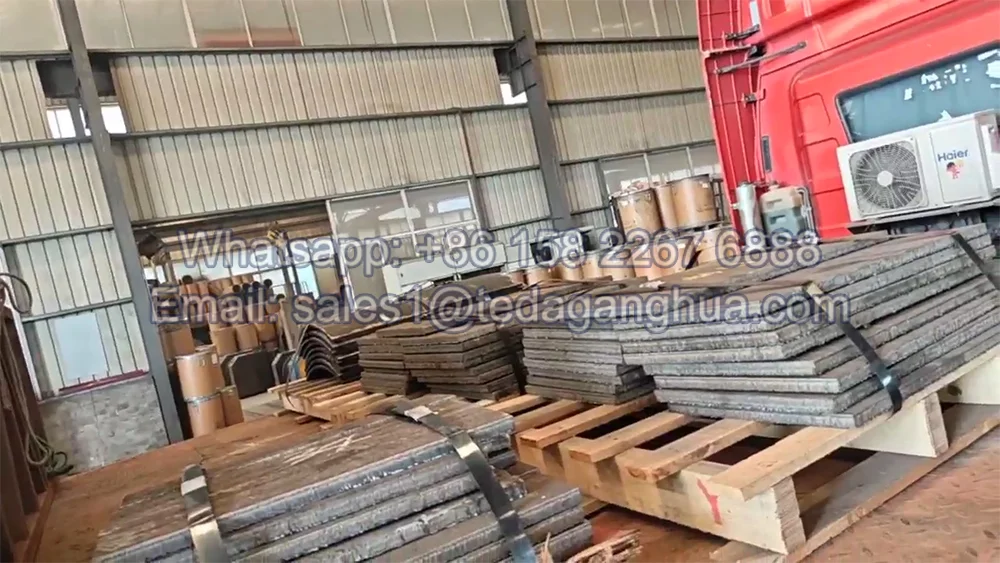
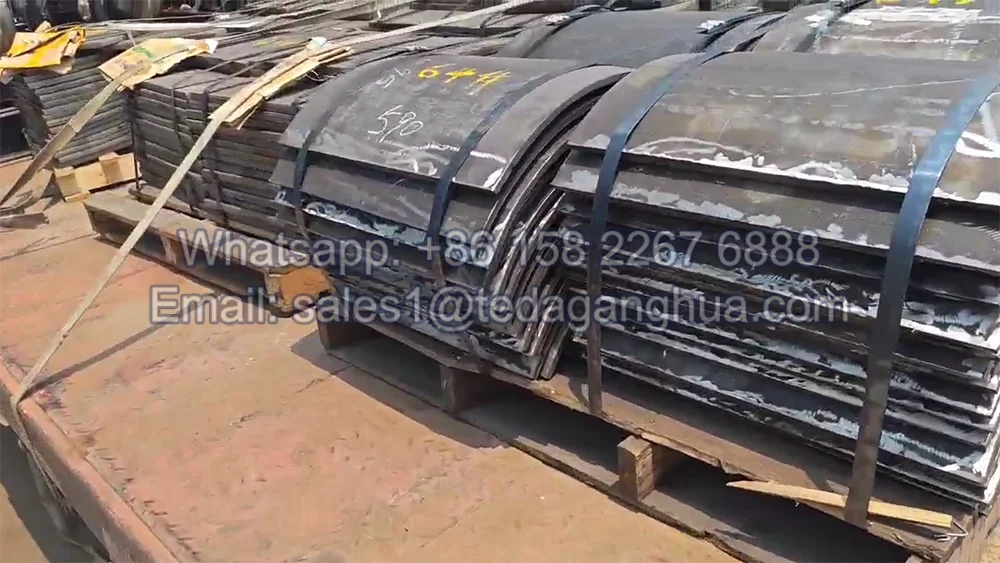
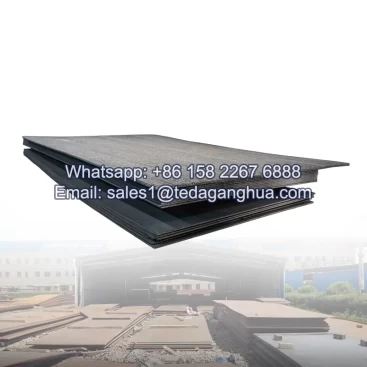
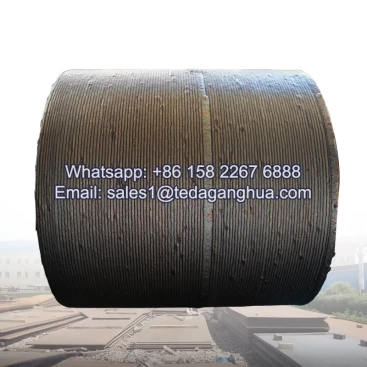
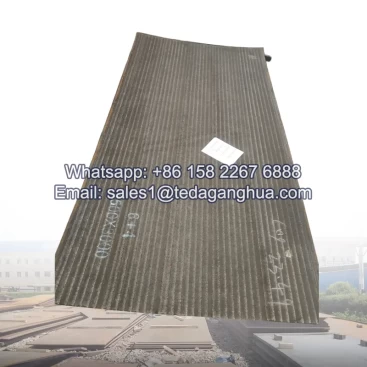
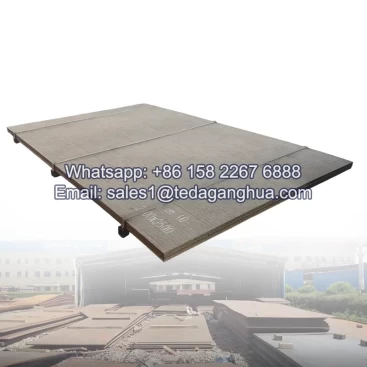
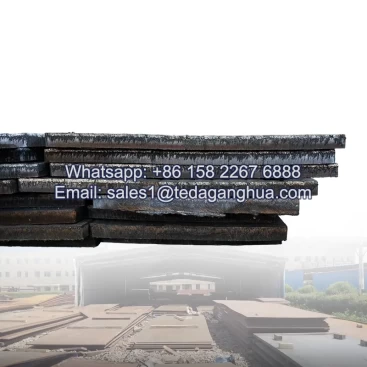
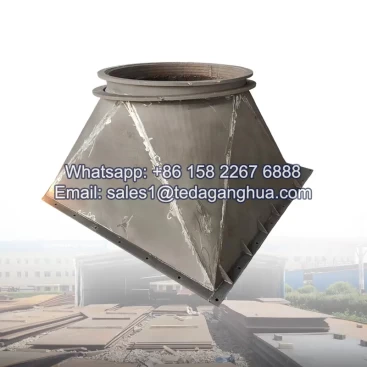
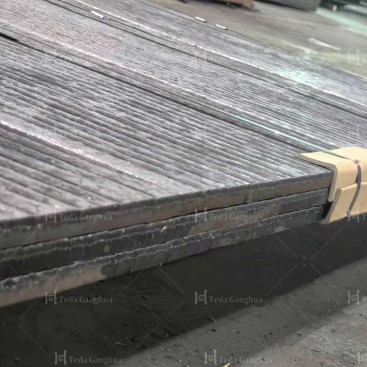
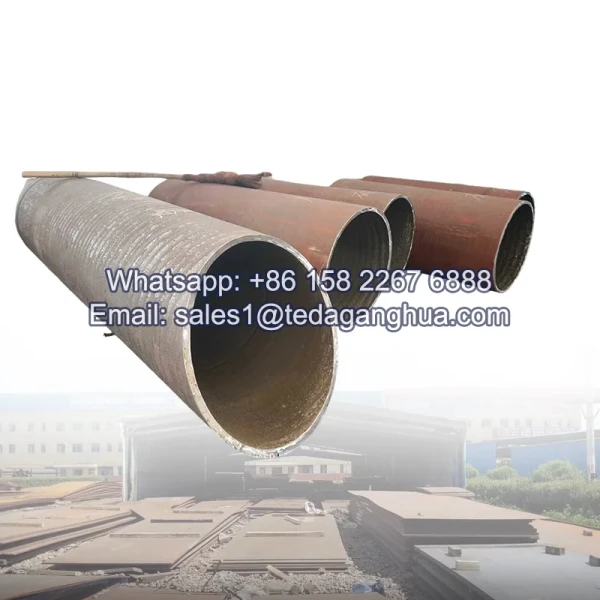
Weld overlay plates use advanced welding processes to deposit wear-resistant alloys onto steel substrates. Common alloy systems include chromium carbide, cacbua phức tạp, and tungsten carbide overlays.
| Loại lớp phủ | Độ cứng điển hình | Ứng dụng chính |
|---|---|---|
| Lớp phủ crom cacbua | HRC 55-62 | Khai thác mỏ, xi măng, băng tải, rơi |
| Lớp phủ cacbua phức tạp | HRC 58-65 | High abrasion environments |
| Lớp phủ cacbua vonfram | HRC 60-68 | Điều kiện mài mòn khắc nghiệt |
6. Choosing Between Thermal Spray and Weld Overlay
The correct choice depends on wear mechanism, coating thickness requirement, mức độ tác động, và môi trường dịch vụ.
| Requirement | Best Choice |
|---|---|
| Thin protective coating | Thermal spray |
| Precision repair and dimensional restoration | HVOF / Tấm ốp laze |
| Heavy abrasion protection | Chromium carbide weld overlay plate |
| Long service life under impact loading | Metallurgical weld overlay |
7. Teda Ganghua Wear Protection Solutions
Teda Ganghua specializes in advanced wear-resistant material solutions designed for severe industrial environments.
Our solutions include:
- Tấm phủ crom cacbua
- Customized hardfacing plates
- Wear-resistant composite materials
- CNC cutting and fabrication services
- Application-based material selection support
With strong manufacturing capability and strict quality control, Teda Ganghua helps customers reduce downtime and extend equipment service life in mining, xi măng, thép, quyền lực, và ứng dụng công nghiệp nặng.
Learn more:
Phần kết luận
Thermal spray coatings and weld overlay technology serve different purposes. Thermal spraying is ideal for thin, precision surface protection, while weld overlay provides the strength, độ dày, and metallurgical bonding required for extreme wear conditions.
For heavy-duty wear plates exposed to abrasion and impact, metallurgical weld overlay remains the more reliable long-term protection solution.