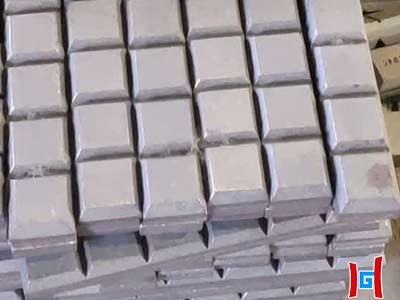
高铬铸铁复合材料
耐磨材料 概述
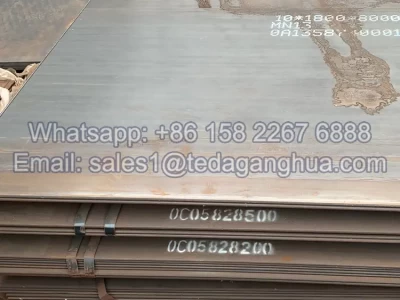
高铬铸铁 是第三代耐磨材料. 它具有高硬度和一定的韧性.
然而, 由于韧性低,经常出现裂纹和断裂. 要解决这个问题, 使用了一种新的复合方法.
复合材料创新
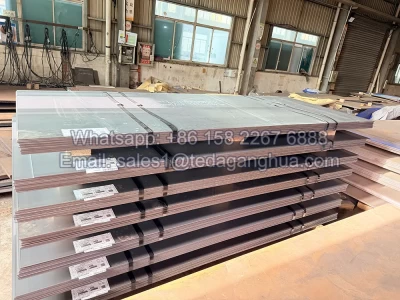
高铬铸铁下面加一层碳钢. 这种钢底座坚固且能吸收冲击力.
因此, 整个材料变得更坚韧,同时保持其硬度和耐磨性.
✅ 主要特点:
-
粘接强度: 超过 300 兆帕
-
表面硬度: 超过 63 HRC
-
影响韧性: 超过 140 焦耳/平方厘米
-
易于焊接, 拧紧, 或切
技术特点
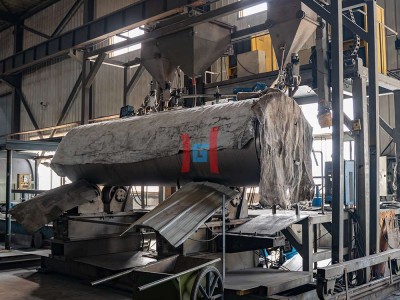
🔥 高温炉混炼
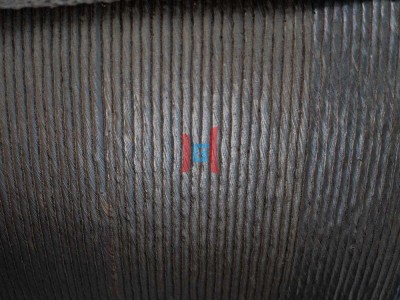
特殊的熔炉工艺可去除表面的氧化铬. 它使各层紧密结合并通过缓慢冷却降低应力.
🔬微观结构调整
热处理改变结构:
-
顶层 (铸铁): 马氏体, 残余奥氏体, 和细碳化物
-
基层 (钢): 珠光体和铁素体
⚙️ Performance Design
The thickness of each layer can be changed to match different uses. This helps balance wear resistance and structure.
💪 Overall Performance
This material performs better than single-layer materials. 它提供:
-
表面硬度高 (HRC > 63)
-
Strong layer bonding (> 200 兆帕)
-
高影响力韧性 (> 140 焦耳/平方厘米)
Technical Principles
📉 Wear Behavior
The wear process follows the PARIS formula:
da/dN = C(ΔK)^n and h = Gb / 4π(1-γ)σf
⚙️ Functional Gradient Design
-
Hard top layer: 高铬铸铁
-
Tough base: 钢
-
Smooth transition: Multi-layer alloy layer (less than 0.5 毫米厚)
Product Innovation
💡 Hardness + Toughness Combined
The new material solves the old problem of poor toughness. A strong bond is created using a gradual transition layer.
🏭 Applications
This material is used in:
-
矿业
-
冶金
-
发电厂
-
水泥厂
-
Sugar factories
-
Brick making
-
Roadwork
它有助于减少磨损造成的金属损失.
🛠 生产优势
与传统的焊接和铸造相比, 这个方法:
-
去除稀释层
-
改善粘合
-
剪切强度达到 300 兆帕