为什么我的高锰钢衬板会变形? 原因, 诊断 & NM400 替代品
为什么我的高锰钢衬板会变形 (Bulging)? 原因, 诊断 & Solutions
高锰钢 (锰13) liner plates are widely used in crushers, scrap recycling equipment, 球磨机, and mining machinery because of their excellent impact resistance and work-hardening capability. 然而, some users discover that the liner begins to bulge, warp, or deform after a period of service. 在很多情况下, this is not caused by poor material quality but by unsuitable working conditions or incorrect installation.
This guide explains the most common reasons for liner bulging, how to diagnose the root cause, and when it is more appropriate to switch to wear-resistant steel such as NM400.
1. 做什么 “Bulging” 意思是?
Bulging refers to permanent plastic deformation of the liner plate, where the surface expands outward instead of wearing uniformly. Once deformation becomes excessive, the liner may interfere with adjacent components, loosen mounting bolts, or even crack under continued loading.
2. The Five Most Common Causes
| 原因 | Typical Symptoms | Recommended Solution |
|---|---|---|
| Excessive impact load | Local bulging near impact zone | Increase liner thickness or redesign impact area |
| Insufficient structural support | Large-area deformation between bolts | Add backing plates or reduce bolt spacing |
| Improper bolt tightening | Movement around mounting holes | Retorque bolts according to installation specification |
| Material selected for the wrong wear condition | Bulging before significant wear occurs | Consider NM400 or chromium carbide overlay plate |
| High operating temperature | Progressive deformation over time | Improve cooling or select heat-resistant material |
3. Why High Manganese Steel Can Deform
High manganese steel is designed to work harden under repeated impact. Before work hardening develops, the material remains relatively soft and ductile. If impact energy is concentrated in a small area or the liner lacks sufficient support, plastic deformation may occur before a hardened wear layer forms.
This behavior is a normal characteristic of manganese steel and should not automatically be interpreted as a manufacturing defect.
4. When NM400 Is a Better Choice
| Working Condition | 高锰钢 | NM400 Wear Plate |
|---|---|---|
| 重击 | ★★★★★ | ★★★★☆ |
| 滑动磨损 | ★★★☆☆ | ★★★★★ |
| Low-impact wear | Not ideal | 出色的 |
| Dimensional stability | 缓和 | 出色的 |
| Risk of bulging | Higher under poor support | Much lower |
If the equipment experiences mainly abrasive wear rather than severe impact, NM400 often provides longer service life while maintaining better dimensional stability.
5. How to Diagnose the Root Cause
| Inspection Item | What to Check |
|---|---|
| Deformation location | Single impact point or entire liner surface |
| Bolt condition | Loose bolts or elongated mounting holes |
| Wear pattern | Uniform abrasion or localized deformation |
| Backing support | Proper contact between liner and supporting structure |
| 材料硬度 | Verify supplied material meets specification |
6. Preventive Measures
- Use adequate backing support beneath large liners.
- Follow the recommended bolt tightening sequence and torque values.
- Avoid oversized unsupported liner spans.
- Select materials according to the dominant wear mechanism rather than hardness alone.
- Inspect liners regularly before deformation becomes severe.
7. Why Buyers Choose Teda Ganghua
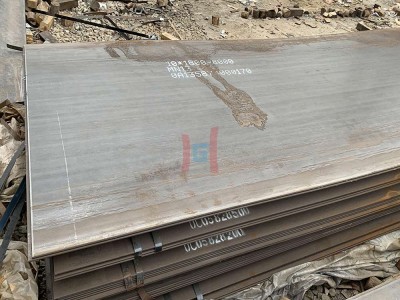
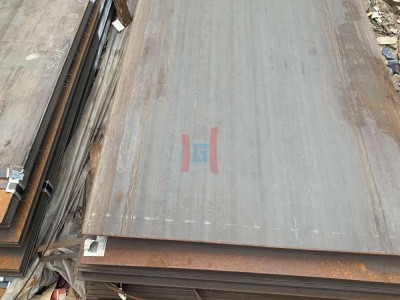
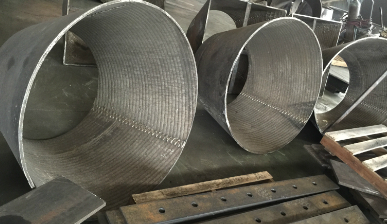
在 Teda Ganghua, we help customers select the most suitable wear-resistant material based on actual operating conditions rather than simply recommending the hardest plate. Our product range includes NM400, NM450, NM500耐磨钢板, customized wear components, and engineering support for mining, 回收, 水泥, and aggregate industries.
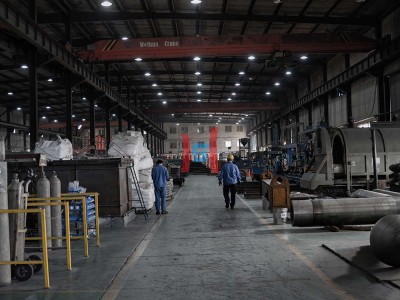
We also provide CNC cutting, 加工, 钻孔, custom fabrication, and export packaging to reduce installation time and extend equipment service life.
在这里探索我们的耐磨钢产品:
NM400耐磨钢板
结论
Bulging of a high manganese steel liner is usually the result of operating conditions, 结构支撑, or material selection rather than a simple quality issue. Understanding whether your equipment is dominated by impact wear or abrasive wear is the key to choosing between manganese steel and NM400. A proper material selection can significantly reduce downtime and lower total maintenance costs.