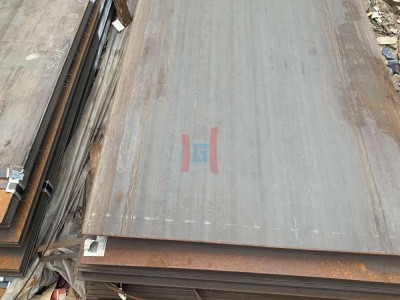
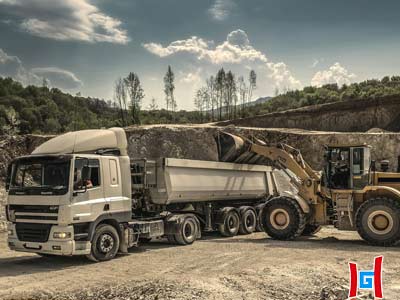
冬季低温耐磨钢板: 如何防止 NM400 发生脆性断裂, NM450 & NM500
冬季低温应用: How to Prevent Brittle Fracture in Wear-Resistant Steel Plates
Wear-resistant steel plates such as NM400, NM450, 和NM500 广泛应用于采矿业, 建造, 采石, 水泥厂, 和物料搬运设备. While these steels offer outstanding abrasion resistance, winter operations introduce another challenge: low-temperature brittle fracture.
When equipment operates in sub-zero environments, steel toughness decreases as temperature falls. If impact loading, welding stress, or improper material selection are combined with low temperatures, sudden cracking or brittle fracture may occur even though the wear plate still has plenty of remaining thickness.
This guide explains why brittle fracture happens and how to minimize the risk during winter operation.
1. What Is Brittle Fracture?
Unlike normal wear or ductile failure, brittle fracture occurs suddenly with little visible deformation. The crack can propagate rapidly through the plate after a single heavy impact or repeated cyclic loading.
| Ductile Failure | Brittle Fracture |
|---|---|
| Large deformation before failure | Little or no visible deformation |
| Slow crack growth | Rapid crack propagation |
| Energy absorbed during deformation | Very limited energy absorption |
| Easier to detect early | Often occurs unexpectedly |
2. Why Low Temperature Increases Fracture Risk
| 因素 | 影响 |
|---|---|
| Lower ambient temperature | Reduces steel impact toughness |
| High impact loading | Produces stress concentration |
| Existing weld defects | Acts as crack initiation points |
| Sharp corners or holes | Increase local stress |
| Residual welding stress | Accelerates crack growth |
The lower the service temperature, the more important fracture toughness becomes alongside hardness.
3. Material Selection for Cold Environments
| 应用 | 推荐材质 |
|---|---|
| -10°C to 0°C | Standard NM400 |
| -20°C environments | Low-temperature certified NM400/NM450 |
| Extreme cold below -40°C | Wear plate with guaranteed Charpy impact toughness |
| High-impact mining equipment | Wear plate with both hardness and high toughness |
When purchasing wear plates for cold climates, buyers should request impact toughness test data instead of considering hardness alone.
4. Welding Practices That Reduce Brittle Fracture
| Practice | 益处 |
|---|---|
| 焊接前预热 | Reduces cooling rate and residual stress |
| Low-hydrogen electrodes | Prevents hydrogen-induced cracking |
| 受控热量输入 | Maintains heat-affected zone toughness |
| Post-weld inspection | Detects cracks before service |
Improper welding is one of the leading causes of winter cracking, especially around mounting holes and structural joints.
5. Design Improvements
| Design Improvement | 目的 |
|---|---|
| Increase corner radius | Reduce stress concentration |
| Avoid sharp notches | Lower crack initiation risk |
| Optimize bolt spacing | Distribute impact loads evenly |
| Use backing plates | Improve structural support |
| Prevent excessive plate vibration | Reduce fatigue crack formation |
6. Daily Winter Inspection Checklist
| Inspection Item | Frequency |
|---|---|
| Visible surface cracks | Daily |
| Weld seam inspection | Weekly |
| Bolt tightness | Weekly |
| Impact damage | After heavy loading |
| 超声测试 (critical equipment) | Scheduled maintenance |
7. Why Buyers Choose Teda Ganghua
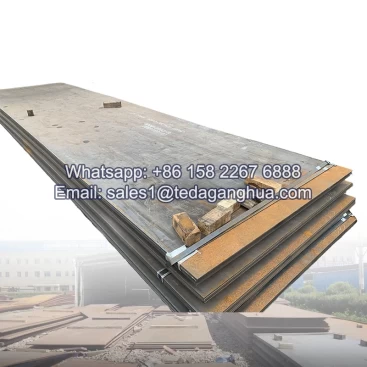
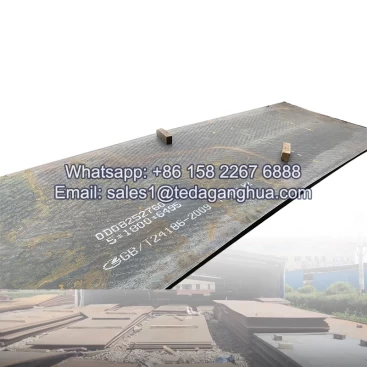
在 Teda Ganghua, we supply high-quality NM400, NM450, and NM500 wear-resistant steel plates for demanding mining, 采石, 水泥, 和回收应用. For customers operating in cold climates, we help recommend wear plates with appropriate hardness, 韧性, and welding performance to reduce the risk of brittle fracture.
Our services include CNC cutting, 钻孔, beveling, customized fabrication, and export packaging, ensuring reliable performance in harsh operating environments throughout the year.
在这里探索我们的耐磨钢产品:
NM400耐磨钢板
结论
Preventing brittle fracture is not simply a matter of choosing a harder wear plate. Material toughness, 焊接质量, structural design, and proper inspection all play critical roles during winter operation. Selecting the correct wear-resistant steel and following good fabrication practices can significantly improve equipment reliability while reducing costly downtime.