- Keterangan
Hard Facing Plate Complete Guide: What It Is, How It Works and Where to Use It
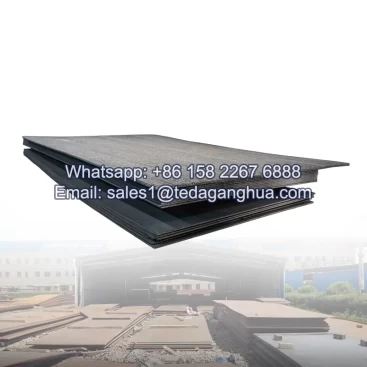
Hard facing plate is one of the most widely used wear protection materials in industries where equipment faces severe abrasion, dampak, dan keausan geser. Unlike ordinary wear-resistant steel plates, hard facing plates combine a tough steel base with an extremely hard wear-resistant alloy layer to achieve longer service life.
For new buyers, understanding the basic structure, manufacturing methods, rentang kekerasan, and application fields is the first step before selecting the right wear solution.
This guide explains what hard facing plate is, how it works, which production technologies are available, and where it delivers the highest value.
1. What Is Hard Facing Plate?
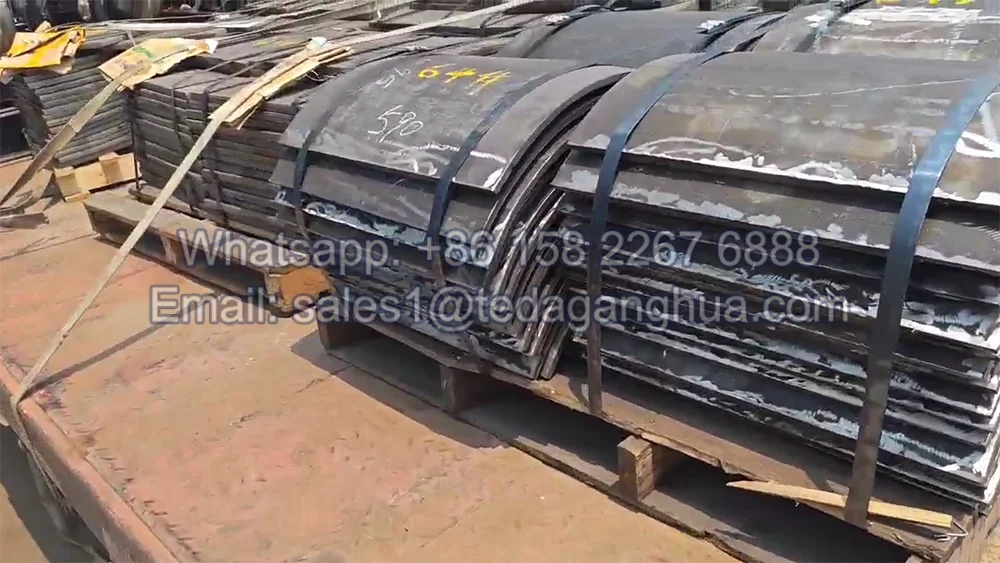
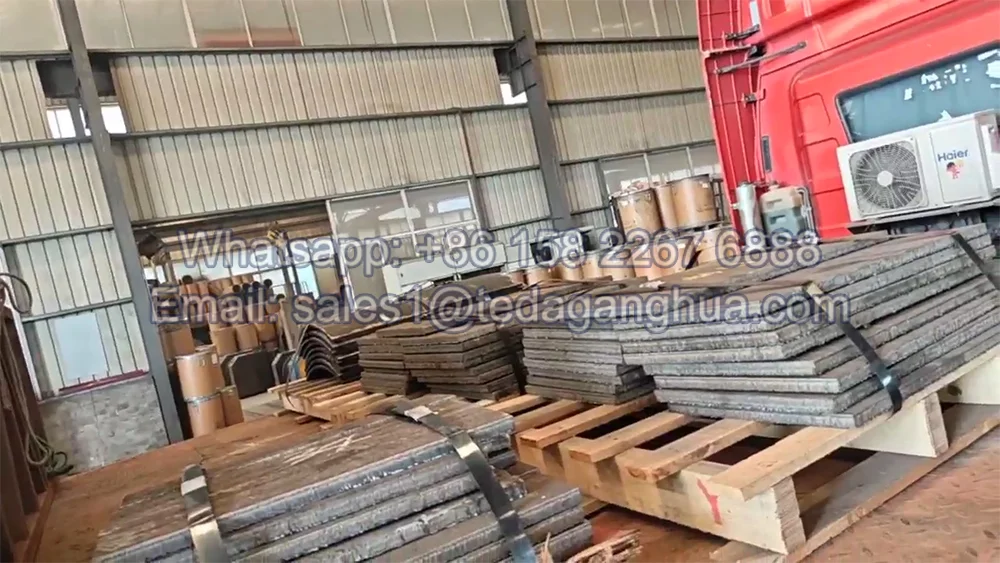
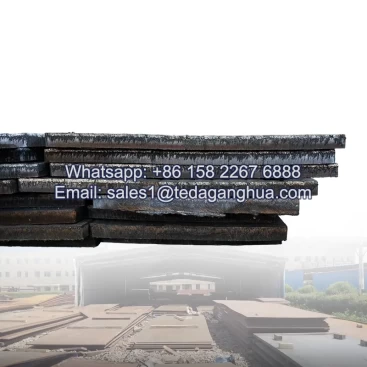
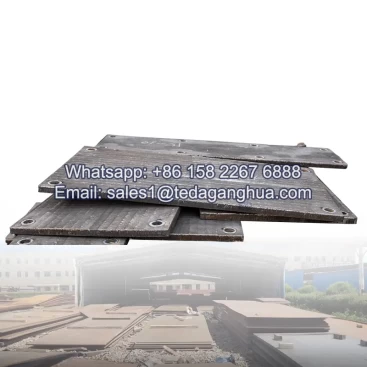
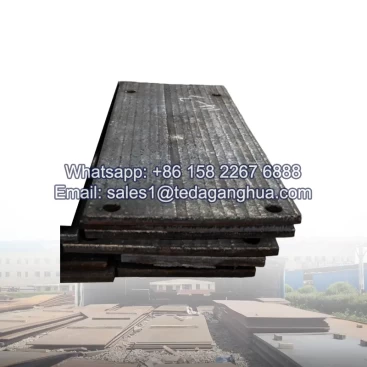
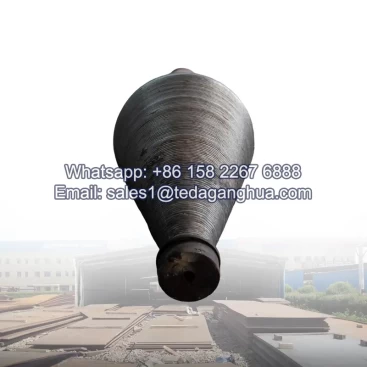
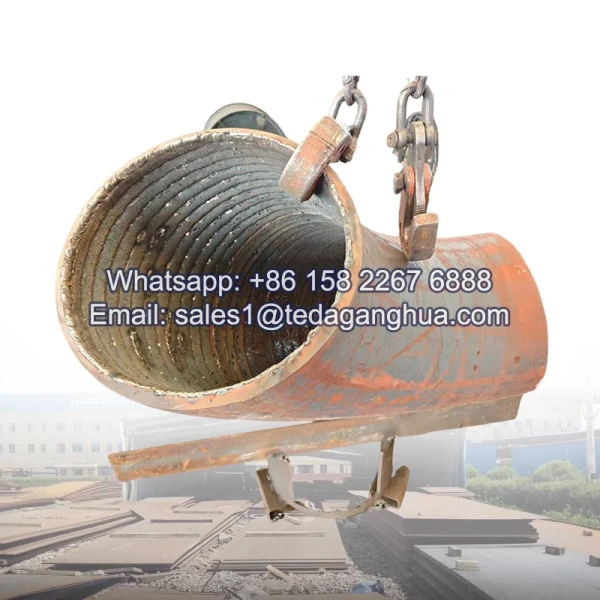
Hard facing plate is a bi-metallic wear-resistant composite plate manufactured by depositing a high-hardness alloy layer onto a low-carbon steel or low-alloy steel base plate through welding or cladding technology.
The structure usually consists of two layers:
| Lapisan | Fungsi Utama | Karakteristik Bahan |
|---|---|---|
| Pelat Dasar | Provides support and impact resistance | Tough, bisa dilas, easy to fabricate |
| Hard Facing Layer | Provides wear protection | Kekerasan tinggi, ketahanan terhadap abrasi |
The design principle is simple:
- The steel base absorbs impact and mechanical stress.
- The hard alloy surface sacrifices itself against wear.
- The equipment achieves longer operating life with less maintenance.
2. How Hard Facing Plate Works
Traditional steel components often fail because the surface wears away faster than the structure can tolerate.
Hard facing plates solve this problem by separating two requirements:
| Requirement | Larutan |
|---|---|
| Ketahanan aus yang tinggi | Hard alloy surface layer |
| Resistensi dampak | Tough steel backing plate |
| Easy installation | Weldable composite structure |
This combination allows hard facing plates to outperform normal carbon steel and many conventional wear plates in extreme abrasion conditions.
3. Hard Facing Plate Structure and Materials
The overlay layer is usually based on chromium-rich wear alloys containing:
- Chromium carbide particles
- Karbon
- Molibdenum
- Nikel
- Other alloy strengthening elements
Selama pemadatan, hard carbide phases form inside the metallic matrix, creating exceptional resistance against abrasive particles.
| Characteristic | Kisaran Khas |
|---|---|
| Kekerasan Hamparan | HRC 50-65 |
| Pelat Dasar | Baja ringan / baja paduan rendah |
| Ketebalan overlay | Commonly 3-15 mm |
| Ketahanan Aus | Several times higher than ordinary steel |
4. Four Main Hard Facing Production Technologies
Different cladding methods create different performance characteristics.
4.1 Pengelasan Busur Terendam (GERGAJI)
SAW is one of the most common industrial hard facing processes because it provides high deposition efficiency and stable quality.
Keuntungan:
- High production capacity
- Uniform overlay thickness
- Suitable for large plates
Aplikasi khas:
- Peralatan pertambangan
- Mesin semen
- Large industrial hoppers
4.2 Pengelasan Busur Terbuka
Open arc cladding does not require external shielding gas and is widely used for flexible production.
Keuntungan:
- Lower equipment requirements
- Suitable for customized sizes
- Good field repair capability
4.3 Plasma Transfer Arc (PTA)
PTA provides precise heat control and is used where high-quality metallurgical bonding is required.
Keuntungan:
- Low dilution rate
- Excellent surface quality
- Precise alloy control
4.4 Pelapisan Laser
Laser cladding is an advanced technology using concentrated laser energy to create a high-precision wear-resistant layer.
Keuntungan:
- Minimal heat distortion
- High bonding quality
- Suitable for precision components
5. Hard Facing Plate vs Traditional Wear Steel
| Bahan | Keuntungan Utama | Best Application |
|---|---|---|
| Hard Facing Plate | Extreme surface wear resistance | Lingkungan abrasi yang parah |
| NM400/NM500 Wear Plate | Kekerasan dan ketangguhan seimbang | Dampak + abrasion conditions |
| Baja Ringan | Low cost and easy fabrication | Low wear applications |
For pure sliding abrasion, hard facing plates often provide better lifecycle value because the wear layer hardness is significantly higher.
6. Hard Facing Plate Application Map
Hard facing plates are widely used across industries where material flow causes continuous wear.
| Industri | Komponen Khas | Wear Type |
|---|---|---|
| Pertambangan | peluncuran, hopper, penghancur | Rock impact and abrasion |
| Semen | Liner konveyor, mill components | Mineral abrasion |
| Pembangkit Listrik | Sistem penanganan batubara | Erosi partikel |
| Industri Baja | Material transfer equipment | High-temperature abrasion |
| Pelabuhan | Loading equipment, ember | Sand and ore wear |
7. How to Select the Right Hard Facing Plate
Before purchasing, buyers should evaluate:
- Wear type: geser, dampak, erosi, or combined wear
- Suhu pengoperasian
- Tingkat kekerasan yang diperlukan
- Ketebalan lapisan
- Base plate strength
- Persyaratan fabrikasi
A higher hardness value is not always the best solution. Extremely hard overlays may require careful consideration in high-impact environments.
8. Common Hard Facing Plate Purchasing Mistakes
- Choosing only by hardness number
- Ignoring base plate toughness
- Using thin overlay thickness for severe wear
- Comparing price per ton instead of service life
- Buying without checking welding quality
9. Hard Facing Plate Solutions from Teda Ganghua
Teda Ganghua supplies advanced wear-resistant solutions for mining, semen, baja, kekuatan, dan aplikasi industri berat.
Our wear protection products include:
- Pelat pelapis kromium karbida
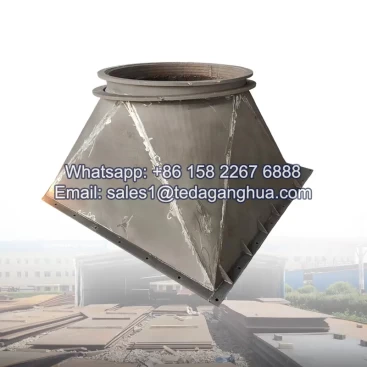
- Customized wear-resistant composite plates
- Industrial abrasion protection solutions
- Customized thickness, ukuran, and processing options
With professional material selection support, Teda Ganghua helps customers choose the right wear protection solution based on abrasion conditions, tingkat dampak, and equipment operating environment.
Learn more:
Kesimpulan
Hard facing plate is a high-performance wear solution that combines a tough steel base with an ultra-hard alloy surface. By separating structural strength from surface hardness, it provides longer service life in the most demanding industrial environments.
Untuk penambangan, semen, kekuatan, baja, and port industries, selecting the correct hard facing technology and overlay specification can significantly reduce downtime, biaya pemeliharaan, and equipment replacement frequency.