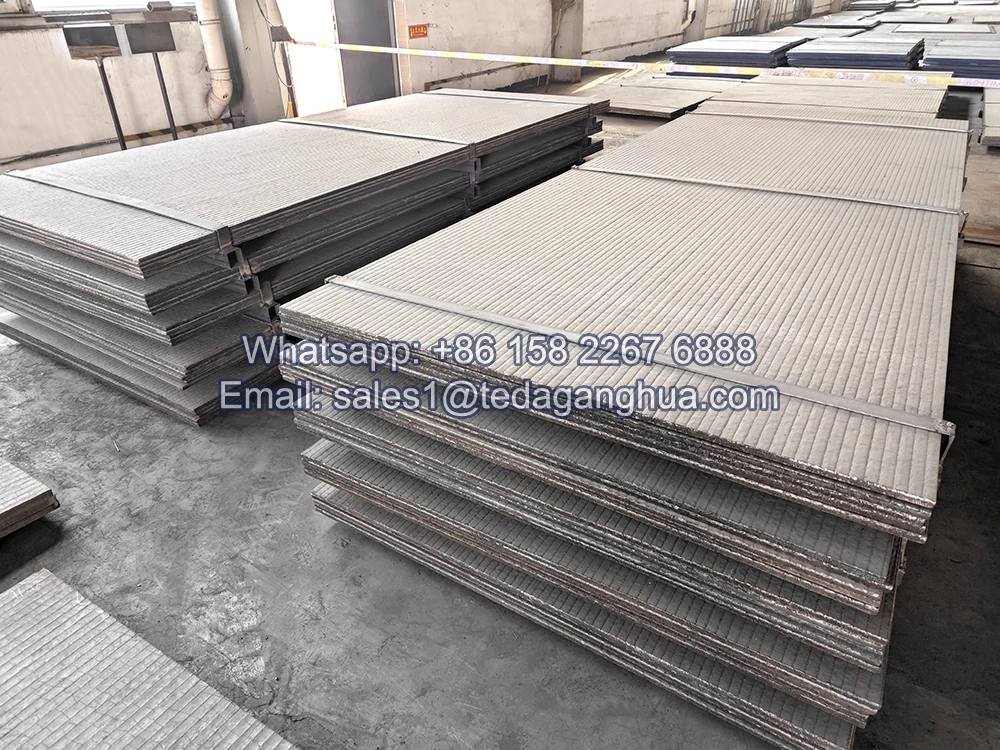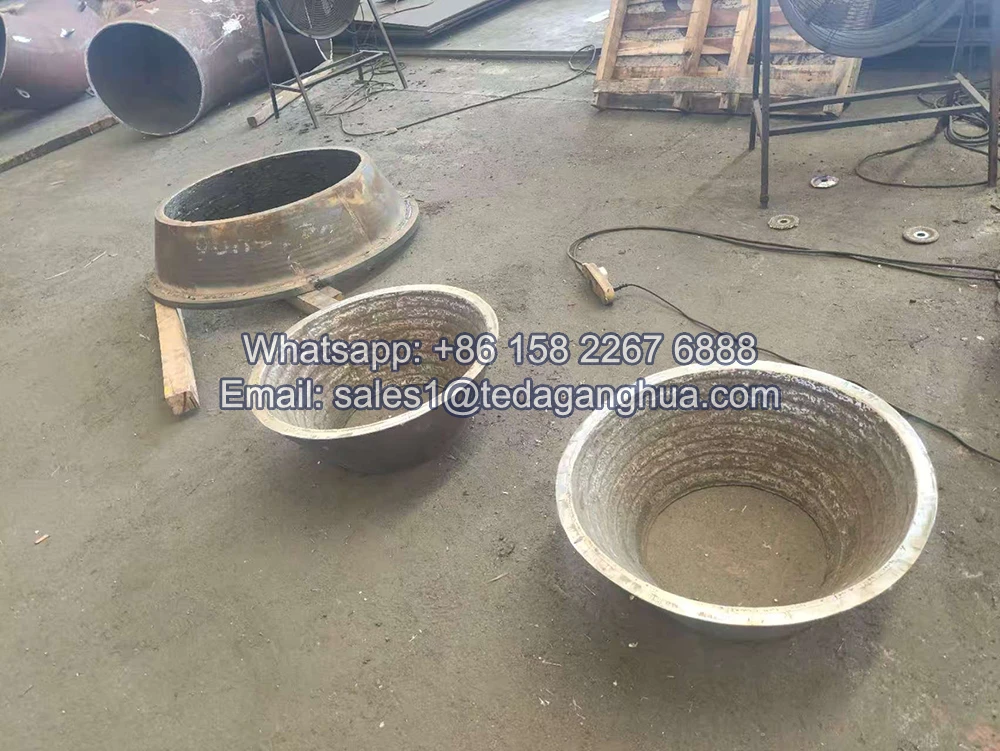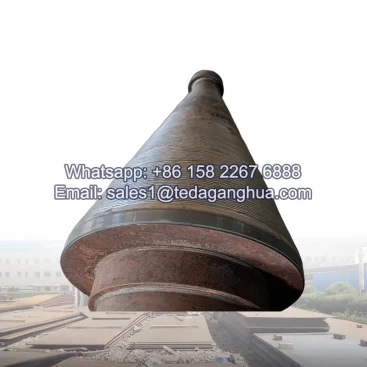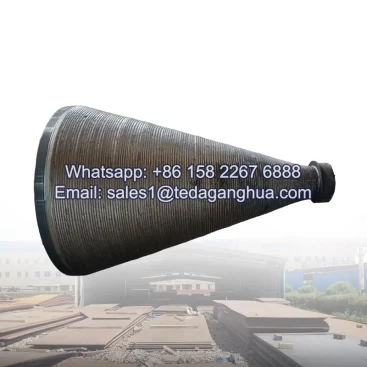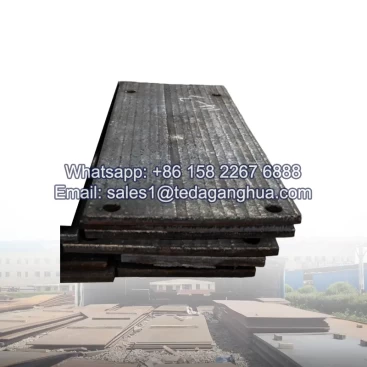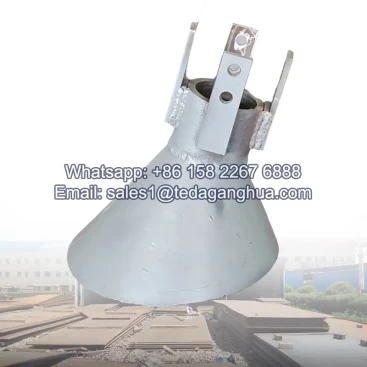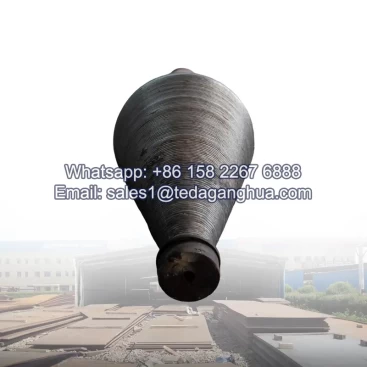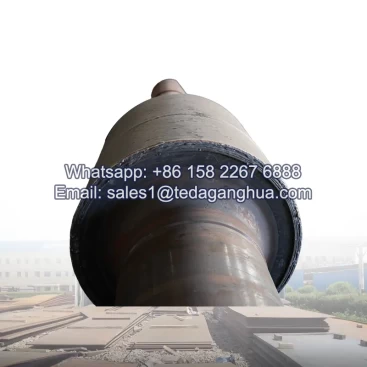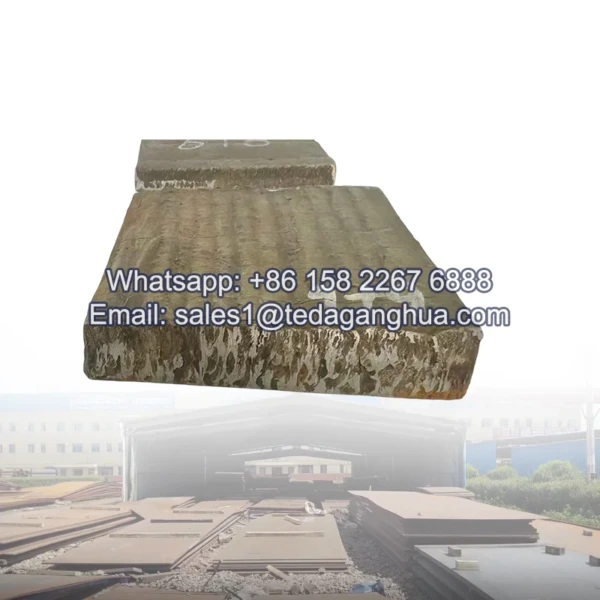
Pelat Permukaan Keras

Hardfacing Plate achieves its wear resistance through a combination of hard carbide formation, high-hardness overlay layers, and a tough supporting base plate. This engineered structure allows it to resist multiple forms of industrial wear, including abrasion, dampak, dan erosi, making it one of the most effective materials for extending equipment life in severe working environments.
- Keterangan
Hardfacing Plate is a type of wear-resistant steel product produced by depositing a high-hardness alloy layer onto a carbon steel or low-alloy steel base through a welding overlay process. Ini banyak digunakan di pertambangan, semen, produksi baja, pembangkit listrik, and bulk material handling systems where severe abrasion and impact occur.
The key advantage of hardfacing plate lies in its engineered surface layer, which is specifically designed to resist wear while maintaining structural toughness through the base metal.
Structure of Hardfacing Plate
A typical hardfacing plate consists of two functional layers:
- Lapisan Baja Dasar: Provides toughness, keuletan, and structural support
- Lapisan Permukaan Keras (Hamparan): Provides extreme wear resistance through alloy carbides or martensitic structures
These two layers are metallurgically bonded to ensure long-term stability under mechanical stress.
Mekanisme Ketahanan Aus
The wear resistance of hardfacing plate is achieved through multiple reinforcing mechanisms working together.
1. Hard Carbide Reinforcement
In chromium carbide-based hardfacing systems, elements such as chromium and carbon form extremely hard carbide phases, termasuk:
- Cr₇C₃
- Cr₂₃C₆
These carbide particles act as hard barriers that resist cutting, menggiling, and gouging from abrasive materials.
2. Lapisan Permukaan Kekerasan Tinggi
The overlay layer typically reaches:
- 55–65 HRC hardness range
- Extremely high microhardness in carbide-rich regions
This hardness significantly reduces material loss caused by friction and particle impact.
3. Dual-Phase Structure
The hardfacing layer often consists of:
- Hard carbide phases (tahan aus)
- Matriks logam yang kuat (supporting structure)
This dual-phase structure provides both hardness and controlled toughness.
4. Energy Absorption by Base Plate
The underlying steel plate plays a critical role:
- Absorbs impact energy
- Prevents cracking of brittle surface layer
- Provides structural integrity under heavy loads
Types of Wear Mechanisms Resisted
Hardfacing plates are designed to resist multiple industrial wear conditions:
- Abrasi geser (material scraping over surface)
- Abrasi dampak (falling or striking materials)
- Erosive wear (high-speed particle flow)
- Gouging wear (large particle cutting)
Microstructural Wear Principle
Ketahanan aus dicapai melalui:
- Formation of hard alloy carbides within the overlay
- Distribusi seragam fase tahan aus
- Strong metallurgical bonding between base and overlay
- Controlled dilution between weld metal and base steel
Performance Comparison Mechanism
| Jenis Bahan | Mekanisme Ketahanan Aus | Key Advantage |
|---|---|---|
| Pelat Permukaan Keras | Penguatan karbida + hamparan keras | Ketahanan abrasi yang sangat tinggi |
| Baja Tahan Aus | Bulk hardness (quenched structure) | Balanced wear + resistensi dampak |
| Baja Ringan | No reinforcement | Biaya rendah, low durability |
Keuntungan dalam Penggunaan Industri
- Significantly extended service life
- Mengurangi pemeliharaan dan waktu henti
- High resistance to abrasive materials
- Adaptable to different wear environments
- Komposisi overlay yang dapat disesuaikan
Aplikasi Khas
Pelat hardfacing banyak digunakan di:
- Mining chutes and liners
- Peralatan pabrik semen
- Sistem penanganan batubara
- Sistem abu pembangkit listrik
- Crusher liners and hoppers
- Steel mill wear parts
- Ember ekskavator
- Sistem transfer material massal