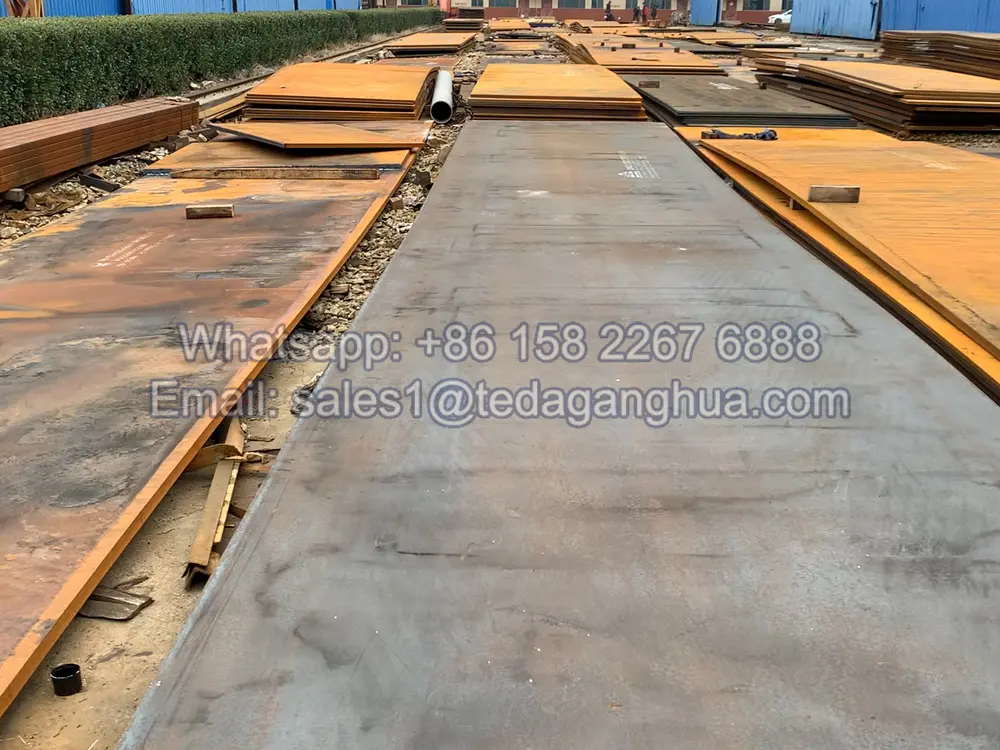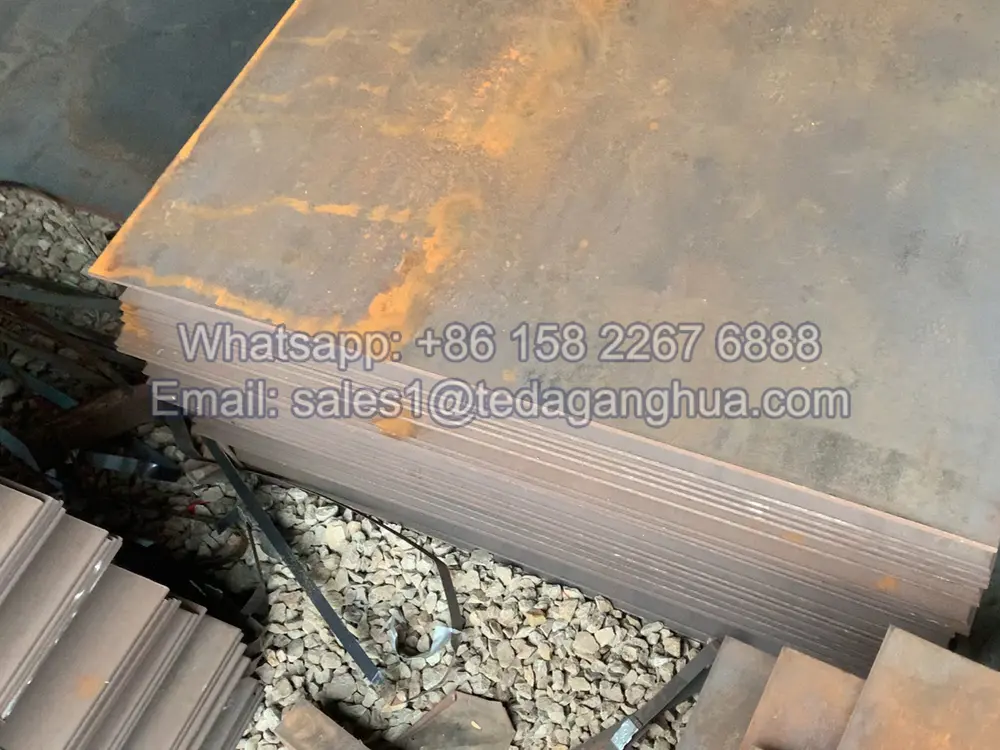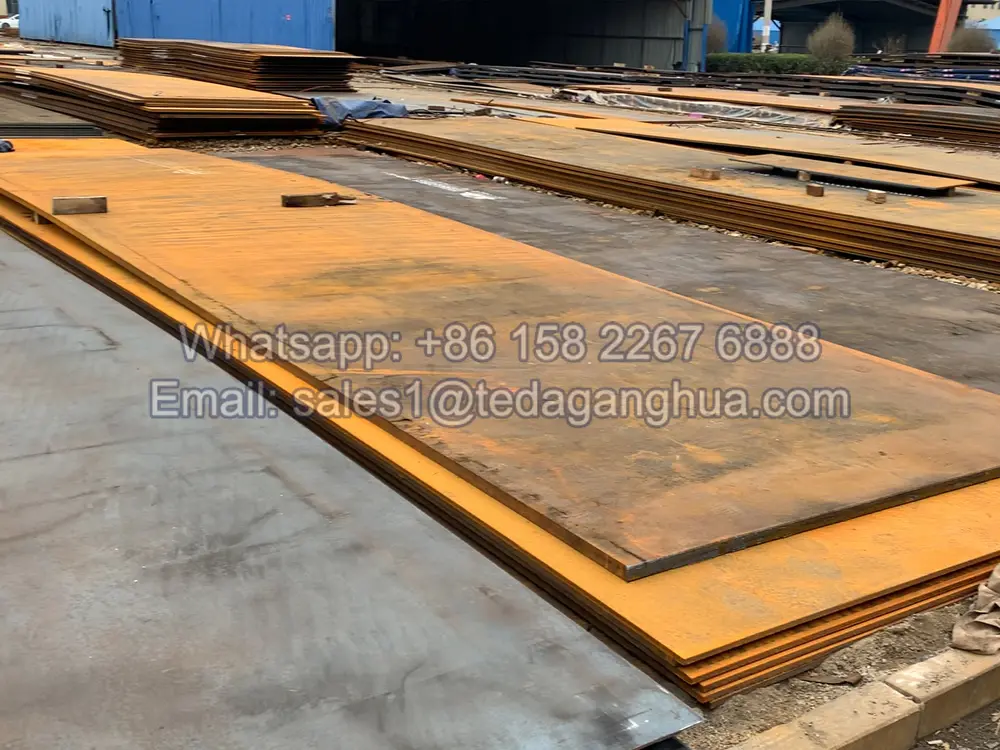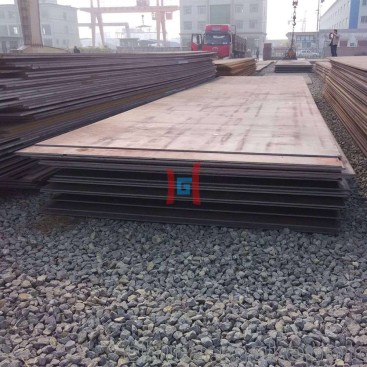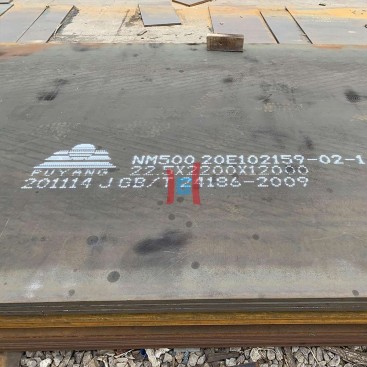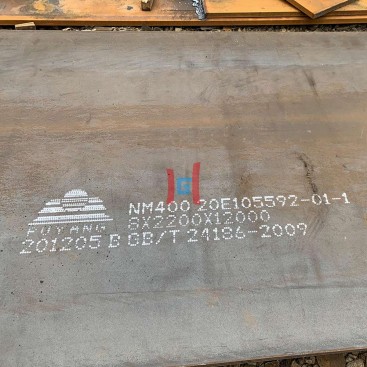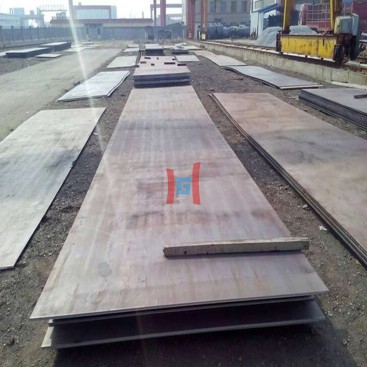

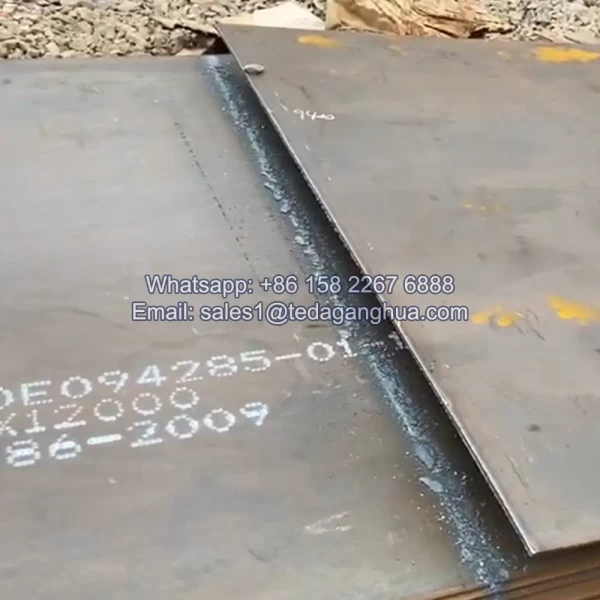
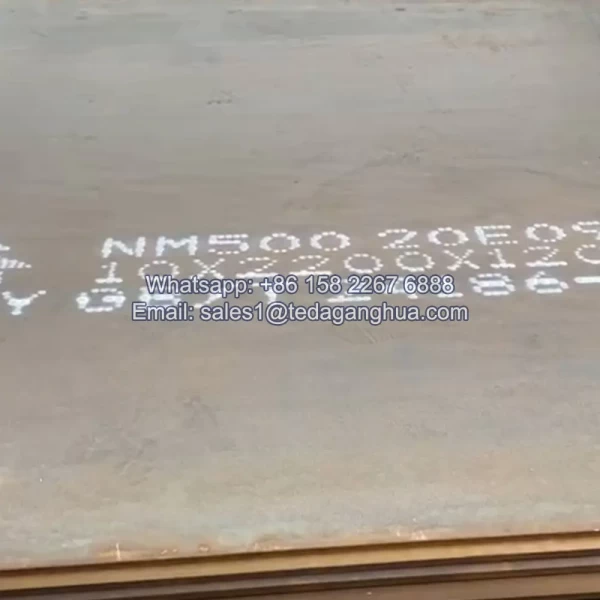
耐摩耗鋼
Wear resistant steel plays a critical role in industries exposed to abrasive materials and heavy mechanical stress. Its primary applications include:
-
鉱業と採石業
-
建設機械
-
Cement production
-
Recycling systems
-
Agriculture and forestry
-
Bulk material handling
-
Energy and power generation
- 説明
耐摩耗鋼, also known as abrasion resistant (AR) 鋼鉄, is a high-hardness structural steel designed to withstand sliding abrasion, impact wear, and material erosion. It is widely used in heavy industries where equipment is exposed to sand, 砂利, 鉱石, 石炭, セメント, and other abrasive materials.
The main purpose of wear resistant steel is to extend service life, ダウンタイムを削減する, and lower maintenance frequency in harsh operating environments.
1. Mining and Quarrying Industry
The mining industry is one of the largest users of wear resistant steel due to constant exposure to hard rock and mineral abrasion.
代表的な用途:
-
クラッシャーライナー
-
Jaw plates and cone crusher parts
-
Chutes and transfer points
-
Screening plates
-
掘削機バケット
-
ダンプトラックの車体
In these applications, grades such as AR400, AR450, and AR500 are commonly selected depending on abrasion severity and impact load.
2. Construction and Earthmoving Equipment
Construction machinery operates under continuous friction from soil, 砂, and aggregate.
Common Uses:
-
Loader bucket liners
-
ブルドーザーのブレード
-
Backhoe components
-
Grader cutting edges
-
Wear strips and edge plates
Wear resistant steel helps improve structural durability while maintaining good weldability and fabrication performance.
3. Cement and Concrete Industry
Cement production involves handling abrasive raw materials such as limestone, クリンカー, and slag.
Applications Include:
-
Cement mixer liners
-
スクリューコンベア
-
サイクロンセパレーター
-
Silo liners
-
Fan blades exposed to dust erosion
Wear resistant steel reduces component replacement cycles and enhances operational efficiency in high-dust environments.
4. Recycling and Scrap Processing
Recycling equipment frequently handles metal scrap, demolition waste, and industrial debris.
Typical Parts:
-
Shredder housings
-
Hammer mill liners
-
Shear blades
-
Conveyor troughs
High-hardness grades improve resistance to impact and gouging wear during heavy scrap processing.
5. Agricultural and Forestry Machinery
Agricultural equipment is exposed to soil abrasion and plant residue.
一般的なアプリケーション:
-
Plowshares
-
Harrow discs
-
Combine harvester wear plates
-
Forestry cutting edges
Wear resistant steel increases service life in field operations with constant soil contact.
6. Material Handling and Bulk Transportation
Industries that transport bulk materials rely on wear resistant steel to protect structural components.
Frequently Used In:
-
コンベヤライナー
-
ホッパーライナー
-
Transfer chutes
-
Feed bins
-
トラックの荷台ライナー
These applications require a balance between hardness and structural integrity.
7. Power Plants and Energy Sector
Coal-fired and biomass power plants handle abrasive fuel materials.
アプリケーション:
-
Coal bunker liners
-
Pulverizer parts
-
Ash handling systems
-
Fan casings
Wear resistant steel helps maintain equipment reliability in high-temperature and abrasive conditions.
8. Heavy Industrial Equipment
Heavy manufacturing and industrial processing lines often operate under severe mechanical stress.
Typical Uses:
-
Steel mill liner plates
-
Slag handling equipment
-
Industrial mixers
-
Impact plates
In these environments, higher hardness grades are preferred to maximize wear life.
Selection Considerations for Applications
When choosing wear resistant steel for a specific application, it is important to consider:
-
摩耗の種類 (スライディング, インパクト, 侵食, or gouging)
-
Material hardness requirements
-
Impact intensity
-
製造要件 (切断, 溶接, 曲げ)
-
Service temperature
Moderate abrasion environments typically use AR400-class steel, while extreme wear conditions may require AR500 or higher grades.