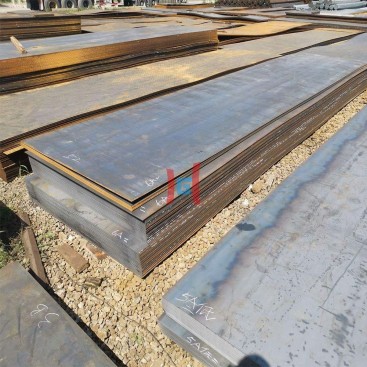
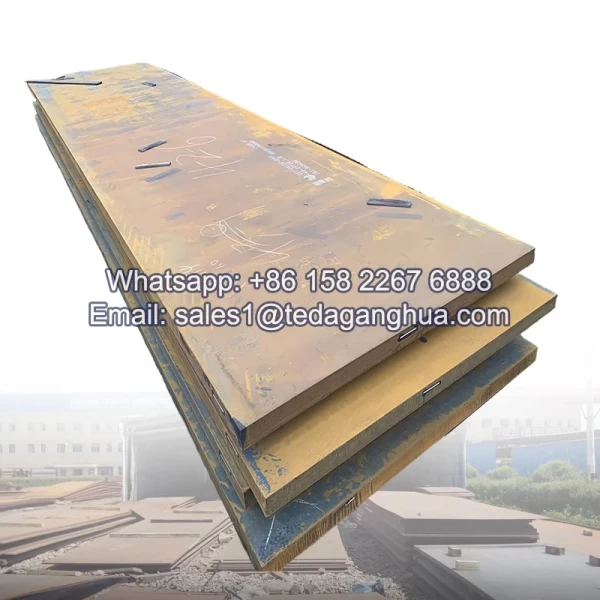
Revestimentos resistentes ao desgaste para aço
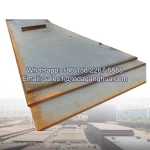
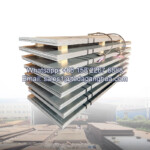
Wear resistant coatings for steel are produced through a surfacing welding process that forms a hard alloy layer bonded to a steel base plate. The combination of a tough substrate and a high-hardness carbide-rich surface provides excellent resistance to abrasion and impact.
- Descrição
Revestimentos resistentes ao desgaste para aço, também conhecido como hardfacing or wear-resistant overlay welding, is a process used to improve the surface wear resistance of steel components by applying a high-hardness alloy layer onto a base steel plate. This technology is widely used in mining, cimento, usinas siderúrgicas, and heavy machinery industries where severe abrasion and impact occur.
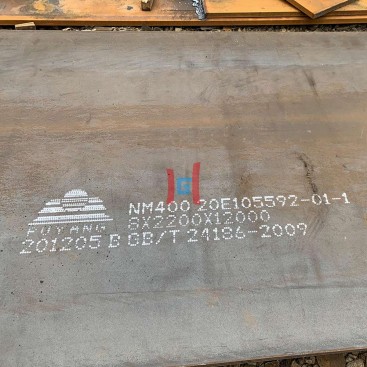
Unlike quenched wear steel plates (such as NM or AR steel), coated wear plates achieve performance through a composite structure: low-cost base steel + ultra-hard surface layer.
1. Basic Principle of Wear Resistant Coating
The core principle is to form a metallurgically bonded wear-resistant layer on the surface of a steel substrate.
Process concept:
- Placa base: ordinary carbon steel or mild steel
- Coating layer: high chromium carbide or alloy wear-resistant material
- Bonding method: fusion welding or surfacing welding
Result:
A dual-layer structure is created:
- Base layer provides strength and toughness
- Surface layer provides extreme wear resistance
2. Common Wear-Resistant Coating Materials
The coating layer usually contains high-hardness alloy systems such as:
- High chromium carbide (Cr-C system)
- Iron-based alloy (Fe-Cr-C)
- Nickel-based alloy (Ni alloy for special corrosion conditions)
- Composite carbide particles (enhanced wear resistance)
These materials form hard phases (carbides) embedded in a tough matrix.
3. Manufacturing Process of Wear Resistant Coatings
Etapa 1: Preparação da Placa Base
- Steel plate is cleaned and surface impurities removed
- Preheating may be applied depending on thickness
Etapa 2: Surfacing Welding (Overlay Process)
- Automatic or semi-automatic welding equipment is used
- Wear-resistant alloy wire or powder is deposited onto the surface
- Multiple layers may be applied depending on wear requirement
Etapa 3: Metallurgical Bonding Formation
- High temperature fusion creates a strong bond between coating and base metal
- No delamination under normal wear conditions
Etapa 4: Cooling and Hard Phase Formation
- Controlled cooling process
- Formation of chromium carbide and martensitic structure
- Surface hardness significantly increased
Etapa 5: Finishing and Cutting
- Surface leveling or grinding if required
- Cutting into plates or fabricated wear parts
4. Working Mechanism of Wear Resistance
The wear resistance effect is achieved through:
1. Hard Carbide Protection
- Chromium carbides resist cutting and scratching
- Blocks abrasive particles like sand and ore
2. Tough Base Support
- Base steel absorbs impact energy
- Prevents cracking and brittle failure
3. Composite Structure Effect
- Hard surface resists wear
- Tough substrate ensures structural integrity
5. Key Advantages of Wear Resistant Coating Technology
- Extremely high surface hardness (can exceed 600–700 HB equivalent)
- Customizable thickness of wear layer
- Longer service life than conventional steel
- Cost-effective compared to solid high-hardness steel
- Suitable for complex-shaped components
6. Aplicações Típicas
Wear resistant coated steel is widely used in:
- Cement mill liners and chutes
- Mining hoppers and crushers
- Sistemas de manuseio de carvão
- Steel plant material transfer systems
- Excavator buckets and wear plates
- Industrial conveying equipment