แผ่นสวมหุ้ม


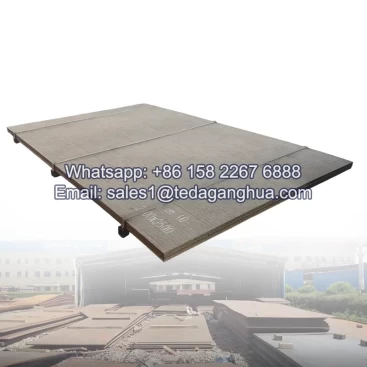
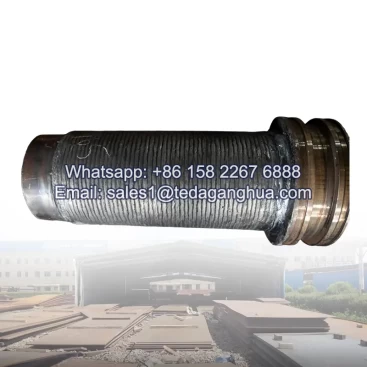
Clad Wear Plate is a versatile composite material that uses different wear-resistant cladding systems such as chromium carbide, ทังสเตนคาร์ไบด์, martensitic steel, ceramic composites, and nickel-based alloys. Each material offers different balances of wear resistance, ทนต่อแรงกระแทก, and environmental suitability, allowing engineers to select the most appropriate solution for specific industrial conditions.
- คำอธิบาย
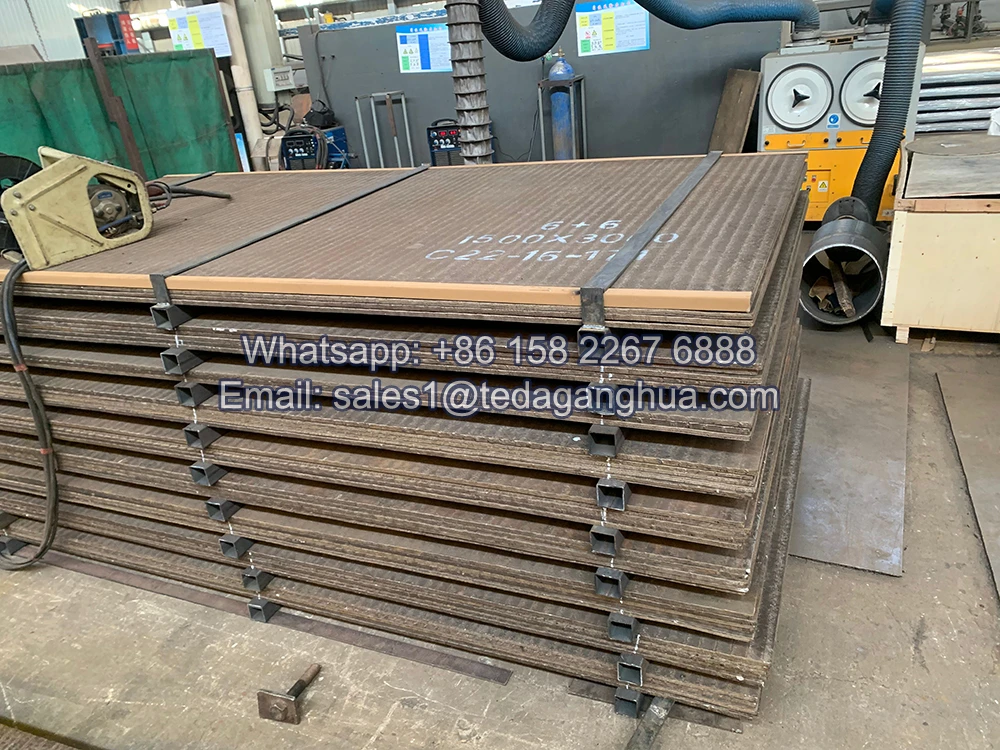
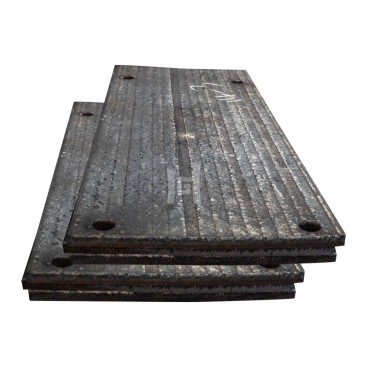
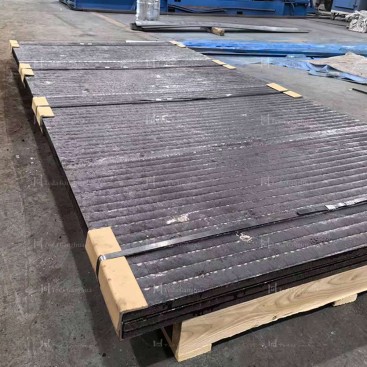
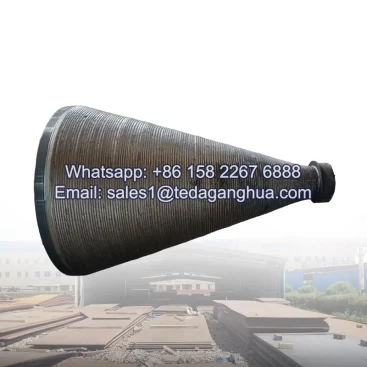
Clad Wear Plate is a composite wear-resistant steel product made by bonding a high-performance wear-resistant layer onto a carbon steel or low-alloy steel base plate. It is designed to combine structural strength with excellent surface wear resistance, making it widely used in mining, ปูนซีเมนต์, การผลิตกระแสไฟฟ้า, โรงงานเหล็ก, และระบบขนถ่ายวัสดุเทกอง.
The performance of clad wear plates depends mainly on the type of wear-resistant cladding material used on the surface layer.
โครงสร้างของแผ่นสวมหุ้ม
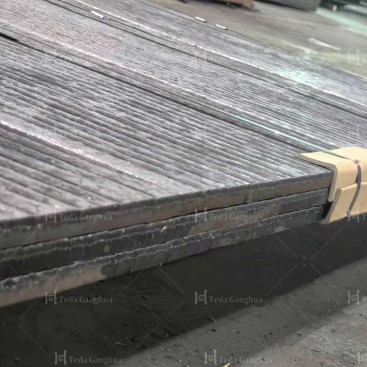
A typical clad wear plate consists of two layers:
- ชั้นฐาน: Carbon steel or low-alloy steel for strength and toughness
- ชั้นหุ้ม: Wear-resistant alloy layer for abrasion and erosion resistance
สองชั้นมีพันธะทางโลหะ, ensuring strong adhesion and long service life under harsh conditions.
Common Wear Resistant Cladding Materials
Different cladding materials are selected based on working conditions such as abrasion, ผลกระทบ, อุณหภูมิ, and particle size.
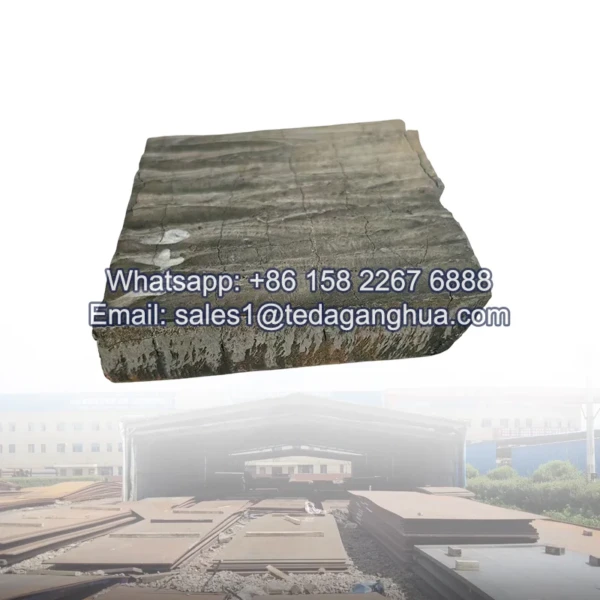
1. การซ้อนทับโครเมียมคาร์ไบด์ (ซีซีโอ)
This is the most widely used cladding material for wear plates.
- High chromium and carbon content
- Forms hard carbide phases (Cr₇C₃, Cr₂₃C₆)
- ความแข็ง: โดยทั่วไปคือ 55–65 HRC
- Excellent resistance to sliding abrasion and particle erosion
การใช้งานทั่วไป: mining liners, รางปูนซีเมนต์, coal handling systems
2. Tungsten Carbide Composite Layer
A high-end wear-resistant cladding material.
- Contains tungsten carbide (ห้องสุขา) particles
- มีความแข็งสูงมาก
- Superior abrasion resistance compared to chromium carbide
- Higher cost and specialized use
การใช้งานทั่วไป: extreme wear zones, high-value equipment protection
3. Martensitic Steel Overlay
A tough and wear-resistant cladding system based on alloy steel.
- โครงสร้างจุลภาคของมาร์เทนซิติก
- ความแข็งและความเหนียวที่สมดุล
- ทนต่อแรงกระแทกได้ดี
- ความต้านทานต่อการขัดถูปานกลาง
การใช้งานทั่วไป: ผลกระทบหนัก + สวมใส่สภาพแวดล้อม
4. Ceramic-Embedded Cladding
A composite system with ceramic particles distributed in a metal matrix.
- Ceramic particles such as alumina or silicon carbide
- Extremely high resistance to particle erosion
- Lower impact resistance compared to metallic overlays
การใช้งานทั่วไป: high-speed particle flow systems, pneumatic conveying
5. Nickel-Based Alloy Cladding
Used in special environments requiring corrosion and wear resistance.
- Excellent corrosion resistance
- Good performance at high temperatures
- Moderate wear resistance compared to carbide systems
การใช้งานทั่วไป: chemical industry, high-temperature equipment
Performance Comparison of Cladding Materials
| Cladding Type | ความต้านทานการสึกหรอ | ทนต่อแรงกระแทก | ทนต่ออุณหภูมิ | การใช้งานทั่วไป |
|---|---|---|---|---|
| โครเมียมคาร์ไบด์ | สูงมาก | ปานกลาง | ปานกลาง | General industrial wear |
| ทังสเตนคาร์ไบด์ | สูงมาก | ปานกลาง-ต่ำ | ปานกลาง | โซนการขัดถูอย่างรุนแรง |
| เหล็กมาร์เทนซิติก | ปานกลาง-สูง | สูง | ปานกลาง | ผลกระทบ + wear conditions |
| Ceramic Composite | สูงมาก | ต่ำ-ปานกลาง | สูง | Erosion environments |
| Nickel Alloy | ปานกลาง | ปานกลาง | สูง | Corrosive + high-temp use |
Key Performance Features of Clad Wear Plate
- Combines structural strength with surface wear resistance
- Customizable wear layer according to application
- Long service life in harsh industrial environments
- ลดต้นทุนการบำรุงรักษาและการหยุดทำงาน
- Suitable for complex fabrication and installation
การใช้งานทางอุตสาหกรรมทั่วไป
Clad wear plates are widely used in:
- อุปกรณ์การทำเหมืองและเหมืองหิน
- ระบบการผลิตปูนซีเมนต์
- Coal and ash handling systems
- Steel plant conveyors and chutes
- Power plant wear components
- ระบบการขนย้ายวัสดุจำนวนมาก
- Heavy industrial machinery protection