高锰钢切削: 为什么不推荐氧乙炔火焰切割
高锰钢切削技术: 为什么不推荐氧乙炔火焰切割
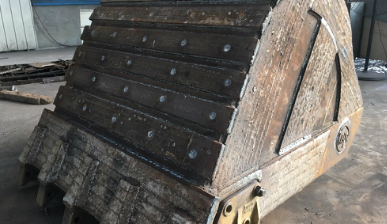
High manganese steel is widely used in mining, 压碎, 铁路系统, 因其出色的加工硬化能力和抗冲击性而适用于重载磨损应用. Mn13 等典型材质在反复冲击下会变得明显更硬, which makes them ideal for severe wear conditions.
然而, high manganese steel is also known as one of the most difficult wear-resistant materials to process. Cutting methods directly affect edge quality, internal structure, and final service performance. Among all cutting technologies, oxy-acetylene flame cutting is generally not recommended for high manganese steel.
What Makes High Manganese Steel Difficult to Cut?
The main challenge comes from its unique metallurgical behavior. High manganese steel usually contains 11–14% manganese and around 1.0–1.4% carbon. Its austenitic structure gives excellent toughness, but it is highly sensitive to heat.
| 财产 | Effect on Cutting |
|---|---|
| 高韧性 | Difficult to machine |
| 加工硬化 | Rapid hardness increase during processing |
| Heat sensitivity | Microstructure can change under high temperature |
| High carbon content | Higher cracking risk after thermal cutting |
为什么不推荐氧乙炔火焰切割
1. Excessive Heat Input Causes Structural Damage
Oxy-acetylene cutting generates very high temperatures, often above 3000°C. This creates a large heat-affected zone around the cutting edge.
For high manganese steel, excessive heat can destroy the original austenitic structure and reduce toughness.
2. Carbide Precipitation Reduces Toughness
When exposed to prolonged high temperatures, carbides may precipitate along grain boundaries.
This leads to embrittlement and significantly lowers impact resistance, which is critical for wear-resistant applications.
3. High Risk of Edge Cracking
After flame cutting, the combination of thermal stress and brittle microstructure increases cracking risk.
| 切割方式 | Cracking Risk |
|---|---|
| Oxy-acetylene | 高的 |
| 等离子切割 | 中等的 |
| 激光切割 | 低的 |
| 水射流切割 | 非常低 |
4. Poor Edge Quality
Flame cutting often leaves rough edges, oxidation layers, and larger dimensional deviations. Additional grinding is usually required.

Recommended Cutting Methods for High Manganese Steel
| 切割方式 | 优点 | 最适合 |
|---|---|---|
| 激光切割 | 高精度, clean edge | Thin to medium plates |
| 等离子切割 | Fast and efficient | 中厚板 |
| 水射流切割 | No thermal damage | High-value wear plates |
| Mechanical Cutting | Low thermal effect | Simple geometry |
How to Minimize Cutting Damage
- Use low heat input processes whenever possible
- Control cutting speed carefully
- Avoid prolonged heat concentration
- Use post-cut edge finishing if necessary
- Select cutting technology based on thickness
Teda Ganghua Wear-Resistant Steel Processing Services
作为专业耐磨钢供应商, Teda Ganghua provides high manganese steel and NM wear plate solutions for global industrial customers. We support advanced processing services including laser cutting, 等离子切割, 精密切割, and customized fabrication.
Our team helps customers choose the most suitable cutting process based on material grade, 厚度, and application requirements to minimize thermal damage and maximize service life.
在这里探索我们的耐磨钢产品:
耐磨钢板
结论
Oxy-acetylene flame cutting is generally not recommended for high manganese steel because excessive heat can damage the microstructure, reduce toughness, and increase cracking risk. For better performance, 激光切割, 等离子切割, or water jet cutting are usually preferred.