
标签 - 耐磨钢板

耐磨钢板与双金属复合耐磨板的区别

Differences Between Wear-Resistant Steel Plates and Bimetallic Composite Wear-Resistant Plates Wear-resistant steel plates and bimetallic composite wear-resistant plates differ in composition, 制造工艺, 和应用. 以下是详细的比较,有助于选择适合特定需求的材料. 1. Definition Wear-Resistant Composite Steel Plate: 该板由高合金耐磨...

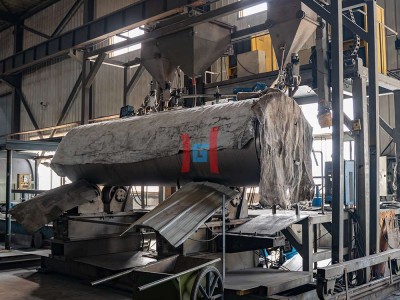
复合耐磨钢板在煤仓内衬中的应用

Introduction Coal bunkers are critical components in the pulverizing system of coal-fired thermal power plants. 在大中型设施中, 这些掩体通常由钢板建造. 然而, 煤在料仓内的连续流动会产生摩擦, 随着时间的推移会损坏钢墙. 此外, 粗糙的表面...

水泥行业耐磨钢板

Economic Benefits of Composite Wear-Resistant Steel Plates in the Cement Industry The growth of large-scale cement production has increased the need for durable production equipment. 锤式破碎机等关键设备, 立式辊压机, 排粉风机, 对辊式破碎机容易出现严重磨损和损坏, 导致高昂的更换成本. 使用...

埋弧耐磨复合钢板

埋弧耐磨复合钢板: 工艺特点及应用 1. High Production Rate Submerged arc cladding boasts a high production rate due to its use of large currents, 通常在 300-500A 之间,有时高达 900A. 这允许高沉积速度. 2. Mechanization and Automation The process is highly mechanized...

进口耐磨钢与国产耐磨钢的区别

Differences Between Imported and Domestic Wear-Resistant Steel Wear-Resistant Steel Material Properties Strength: 进口钢材: 更高的表面硬度, 达到 500-600 HBW. 国内钢: 硬度通常在之间 350-500 HBW. 韧性: 进口钢材: 即使硬度增加,也保持良好的韧性和弯曲性. 国内钢: 由于其结构和硬度,韧性随着硬度的增加而降低。.