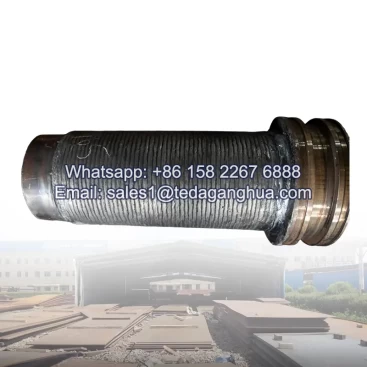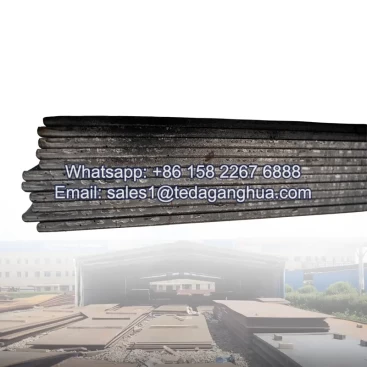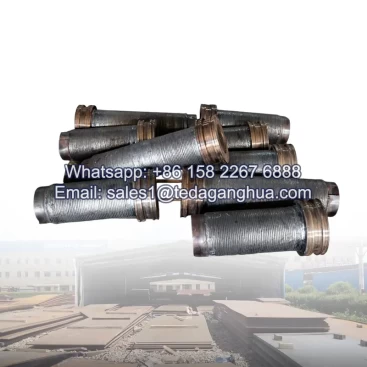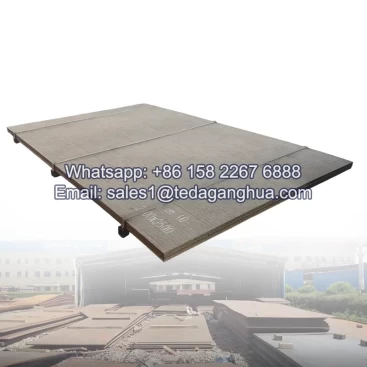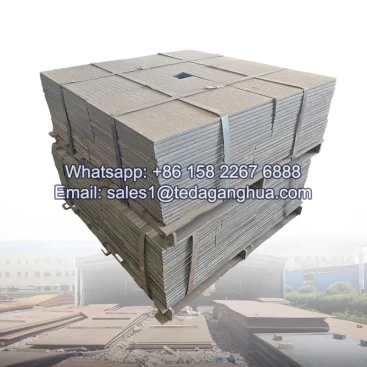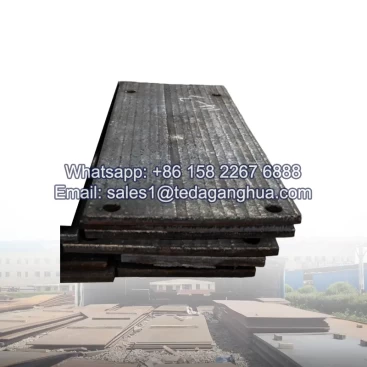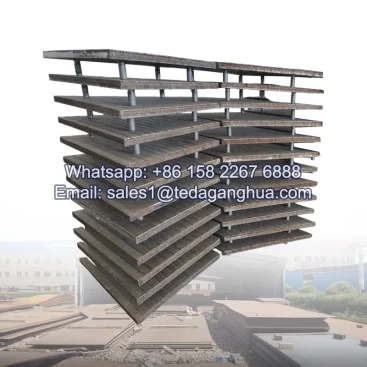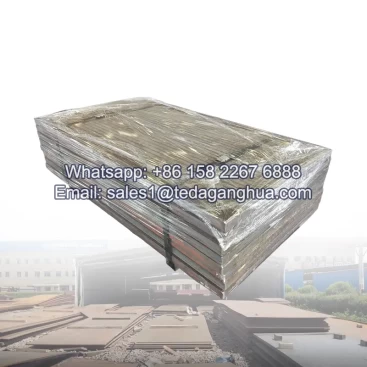
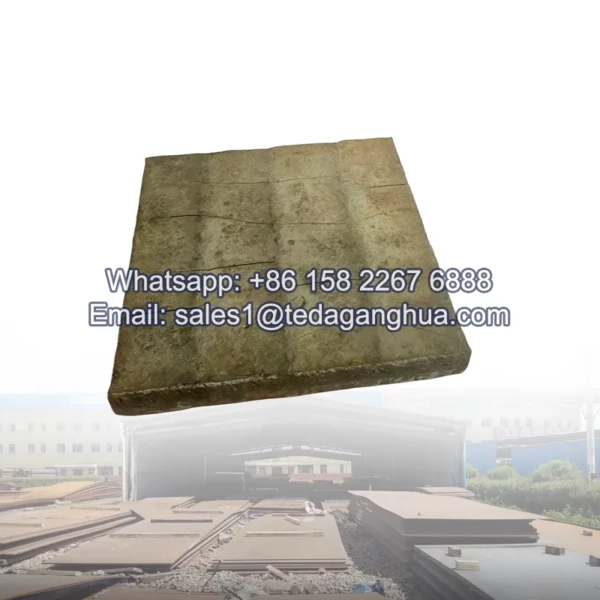
High Chromium Carbide Overlay


High Chromium Carbide Overlay and low-chromium overlay systems are both widely used in wear-resistant engineering, but they serve different operational needs. High-chromium systems deliver superior hardness and abrasion resistance for extreme wear conditions, while low-chromium systems offer better toughness and impact resistance for mixed working environments. Proper selection ensures optimal performance, より長い耐用年数, and reduced maintenance costs in industrial applications.
- 説明
High Chromium Carbide Overlay (CrC Overlay) is a wear-resistant welding layer deposited onto a steel base plate to improve surface hardness and abrasion resistance. 鉱山で広く使用されています, セメント, 発電, バルクマテリアルハンドリング産業. According to chromium content and carbide structure, overlay systems are generally divided into high-chromium overlay そして low-chromium overlay.
These two systems differ significantly in composition, 硬度, wear resistance mechanism, and application conditions.
Material Composition Difference
High-Chromium Carbide Overlay
High-chromium overlay contains a higher percentage of chromium, 通常:
- クロム (Cr): 25–35%
- 炭素 (C): 3–5%
- 鉄 (fe): バランス
- Minor elements: ん, Si for weld stability
This composition promotes the formation of dense, hard carbide phases such as Cr₇C₃ and Cr₂₃C₆.
Low-Chromium Carbide Overlay
Low-chromium overlay has reduced chromium content:
- クロム (Cr): 12–20%
- 炭素 (C): 2–4%
- 鉄 (fe): バランス
- Additional alloying elements may be used to balance toughness
The carbide formation is less dense compared to high-chromium systems.
Hardness and Microstructure Comparison
| 財産 | High-Chromium Overlay | Low-Chromium Overlay |
|---|---|---|
| Chromium Content | 25–35% | 12–20% |
| Carbide Density | 高い | 中くらい |
| 表面硬度 | 58–65HRC | 50–58 HRC |
| 耐摩耗性 | 素晴らしい | Moderate–High |
| 靭性 | 中くらい | より高い |
High-chromium systems prioritize extreme hardness, while low-chromium systems balance hardness and toughness.
耐摩耗機構
High-Chromium Overlay
- Dense chromium carbide network
- Strong resistance to cutting and grinding wear
- Excellent performance under severe abrasion conditions
- Better suited for dry, high-impact particle environments
Low-Chromium Overlay
- Less carbide saturation
- Improved crack resistance and toughness
- Better performance under mixed impact and wear conditions
- Suitable for unstable or shock-heavy environments
耐衝撃性の比較
| 特徴 | High-Chromium Overlay | Low-Chromium Overlay |
| 耐衝撃性 | 中~低 | Medium–High |
| Crack Sensitivity | より高い | より低い |
| Structural Flexibility | より低い | より高い |
High-chromium systems may require more careful process control to avoid cracking under heavy impact.
Typical Application Differences
High-Chromium Carbide Overlay Applications
- セメント工場のシュートとライナー
- Mining transfer systems
- Coal handling equipment
- High-abrasion conveyor surfaces
- Dry particle erosion environments
Low-Chromium Carbide Overlay Applications
- Excavator buckets with impact load
- Dump truck liners
- Crusher components with mixed wear
- Material handling with variable particle size
- Shock-prone industrial equipment
Process and Fabrication Considerations
| Factor | High-Chromium | Low-Chromium |
| Welding Difficulty | より高い | より低い |
| Cracking Risk | より高い | より低い |
| Heat Control Requirement | Strict | 適度 |
| コストレベル | より高い | より低い |
High-chromium overlays require tighter control of heat input and cooling to maintain surface integrity.
Performance Summary
- High-chromium overlays provide 最大の耐摩耗性 for severe wear environments
- Low-chromium overlays provide a balanced combination of wear and impact resistance
- Selection depends on whether the application prioritizes hardness or toughness