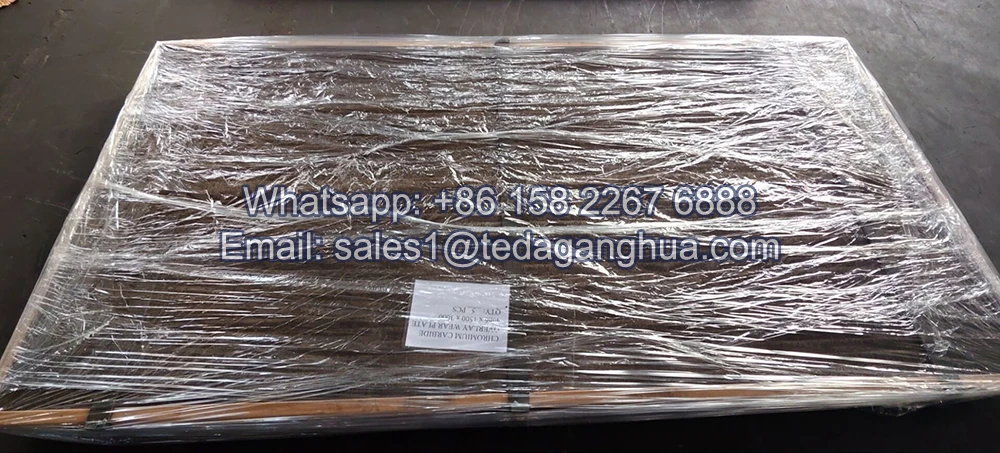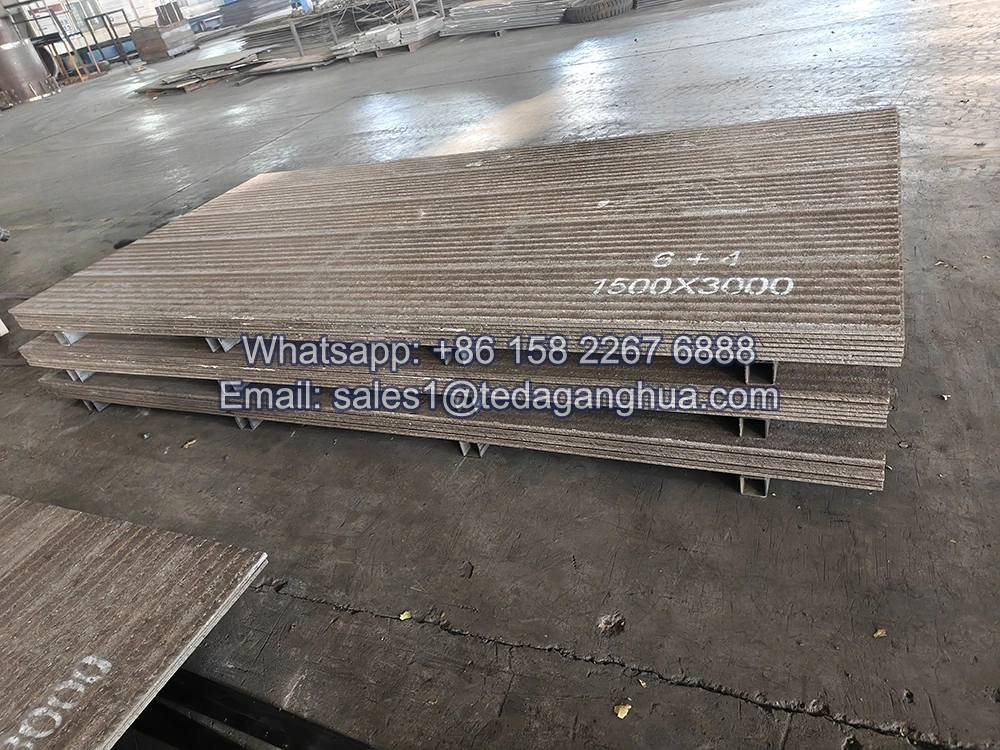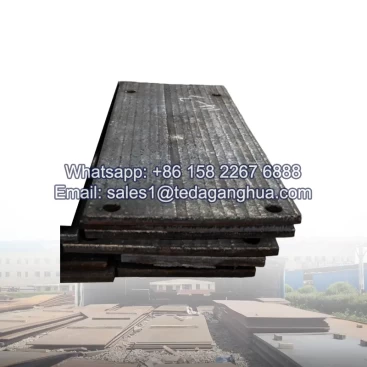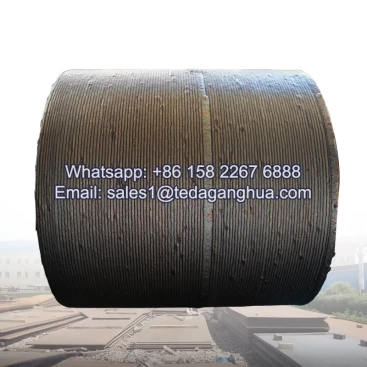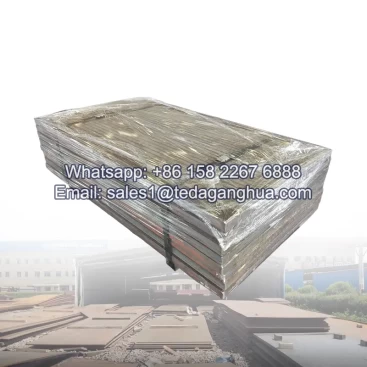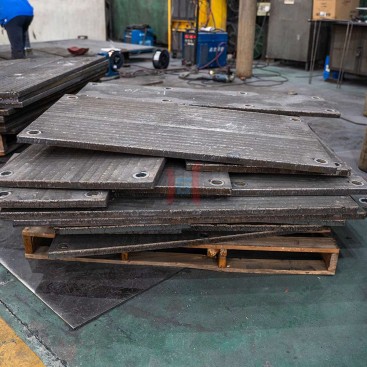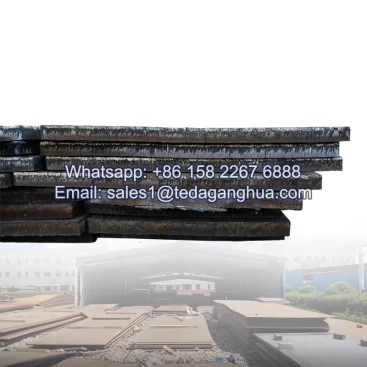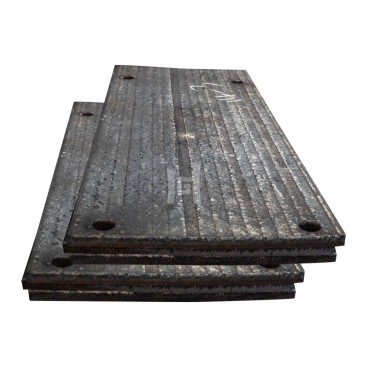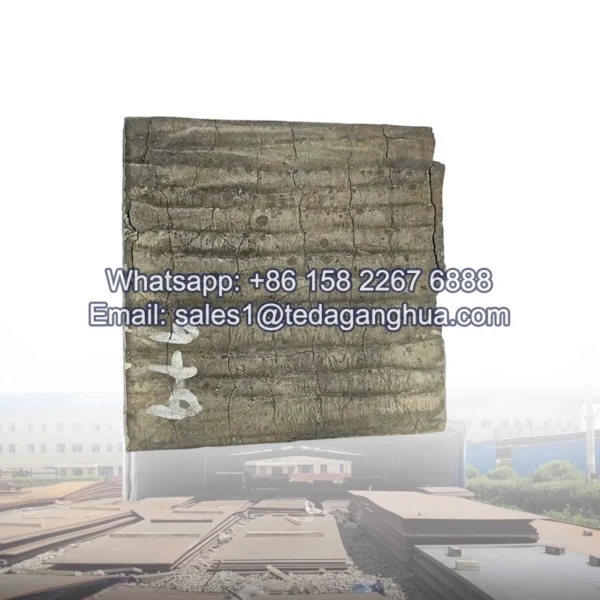
溶接肉盛プレート

Weld Overlay Plate is manufactured through advanced welding processes such as SAW, FCAW, 自分, and PTA, which deposit a high-chromium carbide wear-resistant layer onto a steel base plate. The process ensures strong metallurgical bonding, 高硬度, そして優れた耐摩耗性, making it one of the most effective solutions for protecting industrial equipment in severe wear conditions.
- 説明
Weld Overlay Plate is a composite wear-resistant steel product manufactured by depositing a high-hardness alloy layer onto a carbon steel or low-alloy steel base plate using advanced welding overlay techniques. 鉱山で広く使用されています, セメント, 発電, 鉄鋼工場, and bulk material handling industries where severe abrasion and impact conditions are present.
The performance of weld overlay plate depends heavily on the quality of the welding process, 硬さを決めるのは, 接着強度, 表面層の耐摩耗性.
肉盛溶接プロセスの概要
肉盛溶接プロセスは、制御された溶接技術を通じて鋼基材上に耐摩耗合金層を適用する表面工学手法です。. このプロセスにより、ベース金属とオーバーレイ層の間に強力な冶金的結合が形成されます。.
主な肉盛溶接方法
1. オープンアーク溶接 (見た / FCAW オーバーレイ)
これは溶接肉盛プレートを製造するために最も一般的に使用される工業的方法です.
- フラックス入りワイヤまたはサブマージアーク溶接を使用
- 高い成膜速度
- 大面積生産に最適
- 均一な炭化クロム層を生成
利点:
- 高効率
- 安定した溶接品質
- 大量生産のためのコスト効率が高い
2. シールドメタルアークオーバーレイ (スマウ)
小型部品や修理作業に使用される手作業による溶接方法.
- コーティングされた電極を使用
- Flexible operation
- Suitable for complex shapes
利点:
- Low equipment requirement
- Good for repair and maintenance
制限事項:
- Lower efficiency compared to automated processes
3. Gas Metal Arc Welding (GMAW / MIG Overlay)
A semi-automatic or automatic process.
- Uses continuous wire feeding
- Controlled shielding gas environment
- 良好な表面品質
利点:
- Stable arc
- Good control of dilution
- Suitable for medium-scale production
4. Plasma Transferred Arc (PTA) 溶接
A high-precision overlay method.
- Concentrated arc energy
- Very low dilution rate
- High-quality wear-resistant layer
利点:
- Excellent hardness control
- Strong metallurgical bonding
- Ideal for high-performance wear parts
Key Stages of Weld Overlay Manufacturing
1. ベースプレートの準備
- Cleaning oil, さび, と不純物
- Surface grinding or shot blasting
- Ensuring proper welding surface condition
2. 予熱 (if required)
- Reduces thermal stress
- Prevents cracking in high-carbon or thick plates
- Typically used for thick base materials
3. オーバーレイ溶接
- Deposition of wear-resistant alloy layer
- Controlled heat input
- Multi-layer welding for thick overlays
4. Cooling Process
- Controlled cooling to avoid cracking
- Prevents residual stress accumulation
- Ensures stable microstructure formation
5. Post-Weld Treatment
- Surface leveling or grinding
- Inspection of hardness and bonding quality
- Dimensional correction if required
耐摩耗層の形成
溶接中, alloying elements such as chromium and carbon form hard carbide structures:
- Cr₇C₃
- Cr₂₃C₆
These carbide phases are evenly distributed in the weld matrix, creating a highly wear-resistant surface.
Key Process Control Factors
| Factor | Influence |
|---|---|
| Heat Input | Controls hardness and dilution |
| Welding Speed | Affects layer uniformity |
| Cooling Rate | Determines crack resistance |
| 合金組成 | Defines wear resistance level |
| Layer Thickness | Impacts service life |
Advantages of Weld Overlay Plate
- 非常に高い表面硬度 (55–65HRC)
- Strong metallurgical bonding to base plate
- Customizable wear resistance performance
- 摩耗環境での長寿命
- Suitable for large-scale industrial production
代表的な用途
Weld overlay plates are widely used in:
- マイニング機器ライナー
- セメントプラントのシュートとホッパー
- 石炭処理システム
- 発電所灰システム
- Steel mill wear parts
- Crusher and conveyor systems
- Bulk material transfer equipment