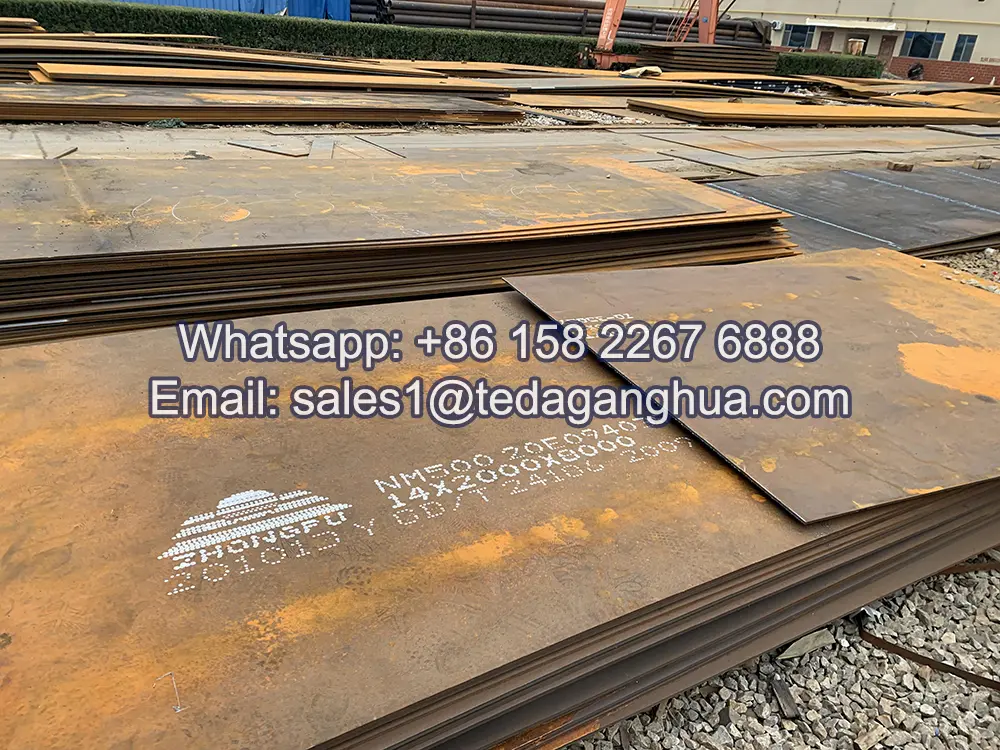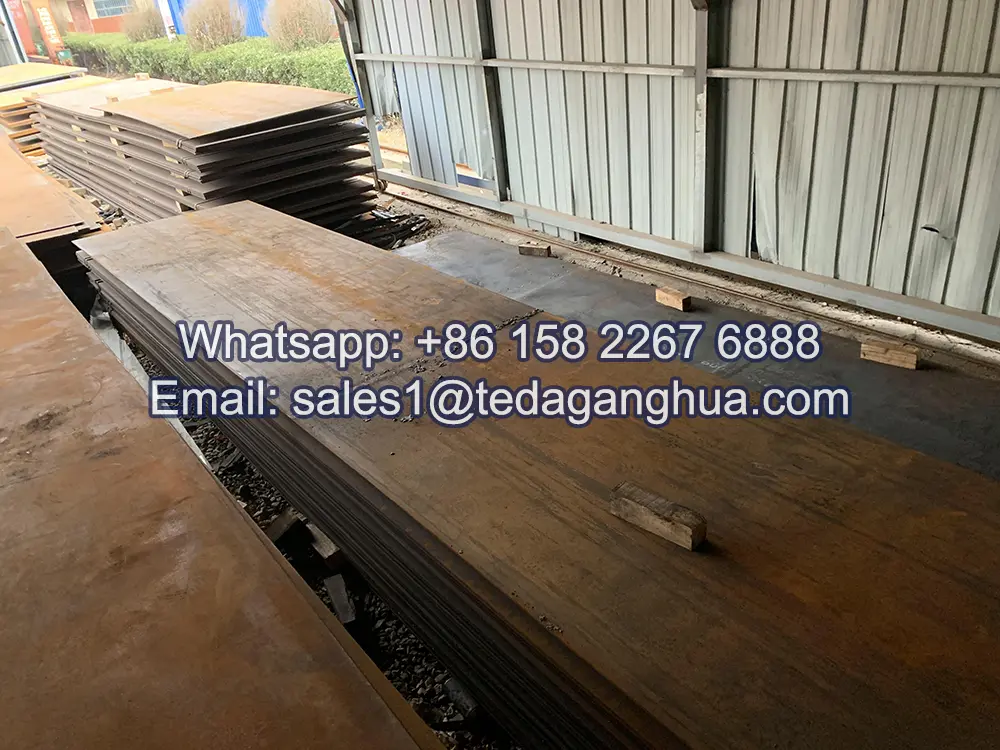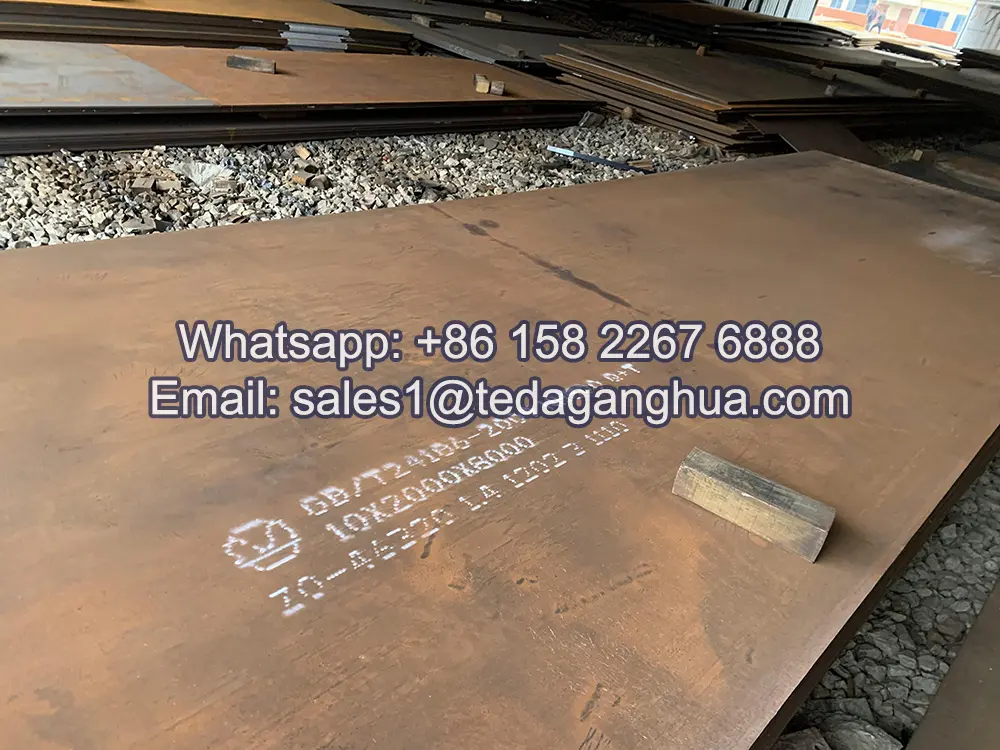

Ar400 Plates

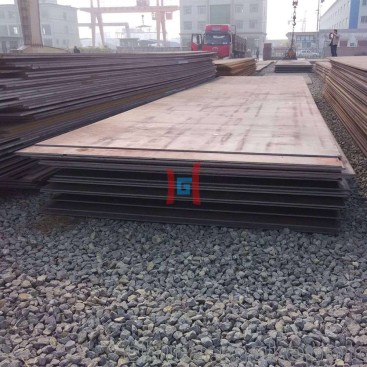
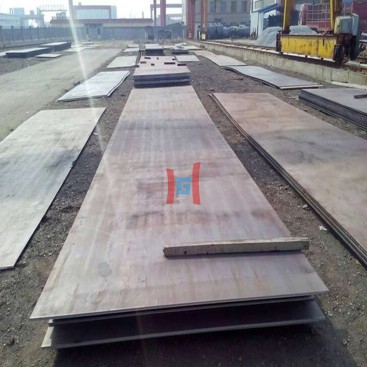
AR400 plate is a high-performance abrasion resistant steel combining approximately 400 HB hardness with good toughness and fabrication performance. Its alloy composition and heat treatment provide strong wear resistance for demanding industrial environments.
- Description
AR400 plate is one of the most widely used abrasion resistant steel materials in mining, construction, cement, recycling, and heavy equipment industries. “AR” stands for Abrasion Resistant, while “400” refers to the approximate Brinell hardness value of the steel.
AR400 is designed to provide a balance between wear resistance, toughness, weldability, and processing performance, making it suitable for medium to heavy abrasive environments.
1. Chemical Composition of AR400 Steel Plate
AR400 steel obtains its wear resistance through alloy strengthening and heat treatment processes.
Typical chemical composition includes:
| Element | Main Function |
|---|---|
| Carbon (C) | Increases hardness and wear resistance |
| Manganese (Mn) | Improves toughness and hardenability |
| Chromium (Cr) | Enhances abrasion resistance |
| Nickel (Ni) | Improves impact toughness |
| Molybdenum (Mo) | Stabilizes hardness after quenching |
| Boron (B) | Improves hardenability in small quantities |
The exact composition may vary depending on production standards and manufacturers.
2. Mechanical Performance of AR400
| Property | Typical Value |
|---|---|
| Hardness | ~400 HB |
| Tensile Strength | High |
| Wear Resistance | Excellent |
| Impact Toughness | Good |
| Weldability | Good |
| Formability | Better than higher hardness AR grades |
AR400 is generally produced through quenching and tempering, resulting in a hard martensitic microstructure with balanced toughness.
3. Main Characteristics of AR400 Steel Plate
Excellent Abrasion Resistance
AR400 performs well under sliding and moderate impact wear conditions.
Balanced Toughness
Compared with harder grades such as AR500, AR400 maintains better resistance to cracking under impact loading.
Good Weldability
AR400 is easier to weld and fabricate than ultra-high-hardness wear plates.
Longer Equipment Service Life
The material significantly reduces wear-related maintenance and downtime compared with ordinary carbon steel.
4. Are There Wear Plate Grades Lower Than AR400?
Yes. AR400 is not the lowest abrasion resistant grade. Several lower hardness wear-resistant steels are available for applications requiring better toughness, easier forming, or lower cost.
Common Lower Hardness Grades
| Grade | Approximate Hardness | Main Characteristics |
|---|---|---|
| AR200 | ~200 HB | Mild wear resistance, easy forming |
| AR235 | ~235 HB | Improved durability over carbon steel |
| AR300 | ~300 HB | Balanced wear resistance and toughness |
| AR360 | ~360 HB | Medium abrasion resistance |
| AR400 | ~400 HB | Heavy wear applications |
5. Why Choose Lower Hardness Grades?
Lower hardness abrasion resistant steels are selected when:
- High impact toughness is more important than extreme wear resistance
- Easier bending and welding are required
- Equipment experiences mixed impact and abrasion conditions
- Lower production cost is needed
Advantages of Lower Hardness Wear Plates
- Better formability
- Easier machining
- Reduced risk of cracking
- Better weldability
- Higher ductility
6. AR400 vs Lower Hardness Grades
| Property | AR300 | AR400 |
|---|---|---|
| Hardness | Lower | Higher |
| Wear Resistance | Good | Better |
| Impact Toughness | Higher | Moderate |
| Weldability | Easier | Good |
| Formability | Better | Moderate |
| Service Life in Abrasion | Shorter | Longer |
7. Common Applications of AR400
AR400 plates are widely used in:
- Excavator buckets
- Mining truck liners
- Crusher components
- Conveyor chutes
- Cement handling equipment
- Agricultural wear parts
- Material transfer systems