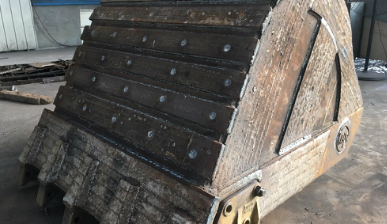
耐磨钢与高锰钢: 哪种材料更适合重磨损应用?
耐磨钢和高锰钢 [Mn13高锰钢 (哈德菲尔德钢铁公司): 加工硬化机制, 耐磨性 & 工业应用] 均广泛应用于严重磨损环境, 但在不同的工作条件下它们的性能差异很大. 许多买家认为硬度是耐磨性的唯一因素, yet actual service life often depends on the balance between abrasion resistance and impact resistance. 在采矿等重工业中, 水泥, 采石, 和散装物料搬运, selecting the right material can significantly reduce downtime and maintenance costs.
Understanding the Two Materials
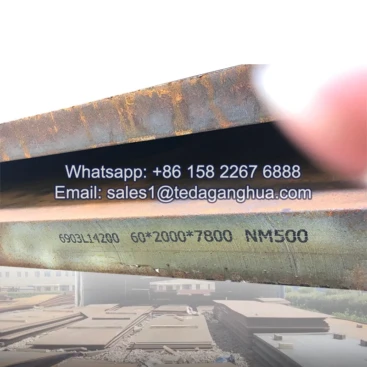
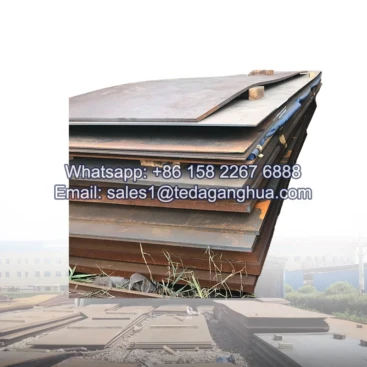
耐磨钢 [NM400 vs NM450 vs NM500 耐磨钢: 硬度等级, 性能比较 & 工业应用] is engineered primarily for high hardness and strong resistance against sliding abrasion, cutting wear, and surface erosion. Typical grades are designed to maintain stable hardness throughout service life, making them ideal for applications dominated by friction and abrasive wear.
高锰钢, commonly represented by Mn13, works on a completely different principle. Instead of relying only on initial hardness, it uses exceptional toughness and work hardening ability to resist wear under impact-heavy environments. [高锰钢切削: 为什么不推荐氧乙炔火焰切割]
Core Mechanism: Hardness vs Work Hardening
The wear resistance mechanism of wear-resistant steel is straightforward: high initial hardness resists cutting and scratching from abrasive particles. This makes it highly effective in low-impact, high-friction environments.
High manganese steel follows the principle of “becoming stronger under impact.” Under repeated impact loading, the surface rapidly work-hardens while the inner core remains tough. This creates a hardened outer layer combined with a ductile core.
Without sufficient impact force, high manganese steel cannot fully activate its work-hardening behavior, and its wear resistance may perform below expectations.
| 财产 | 耐磨钢 | 高锰钢 |
|---|---|---|
| Core Strength | 高硬度 | 高韧性 |
| 磨损机制 | 耐磨性 | 加工硬化 |
| 抗冲击性 | 缓和 | 出色的 |
| Best Use Case | 滑动磨损 | 重击 |
Application Matrix: Which Material Wins?
Scenario A: High Impact + Large Material Size
[耐磨钢的硬度与韧性的权衡: 为什么 NM400 是最佳区域]
Applications such as primary crusher liners, hammer crushers, 铁路道口, and mining jaw plates involve extreme impact loads. 在这些环境中, high manganese steel is typically the superior choice because it can absorb impact while hardening during operation.
🏆 Winner: 高锰钢
Scenario B: Low Impact + High Sliding Abrasion
Applications such as chutes, 料斗, truck dump bodies, cement silos, and conveyor liners are dominated by friction and abrasive wear rather than impact.
[NM400耐磨钢板: 耐磨钢冲击韧性和最佳点区耐磨钢的硬度与韧性权衡]
High surface hardness provides better protection against constant abrasion.
🏆 Winner: 耐磨钢
Scenario C: Mixed Working Conditions
When both impact and abrasion exist, material selection becomes more complex. Engineers must balance hardness, 韧性, and lifecycle cost to determine the optimal solution.
在某些情况下, layered wear solutions or hybrid designs may provide the best performance. [高锰钢与碳化铬覆盖板的废料抓斗切削刃]
Fabrication and Maintenance Considerations
Material selection also affects fabrication efficiency and maintenance strategy.
Wear-resistant steel often requires controlled cutting procedures and preheating before welding, especially for thicker plates. Improper welding may introduce cracking risk. [耐磨板安装方法: 螺栓连接与插塞焊接比较]
High manganese steel requires careful thermal control during welding because prolonged high-temperature exposure can reduce its work-hardening properties and toughness.
From a maintenance perspective, total cost of ownership matters more than material price alone. Frequent replacement leads to higher labor costs, production downtime, and operational losses.
[冬季低温耐磨钢板: 如何防止 NM400 发生脆性断裂, NM450 & NM500]
Decision Matrix for Material Selection
| Impact Intensity | Abrasive Hardness | 推荐材质 |
|---|---|---|
| 低的 | 高的 | 耐磨钢 |
| 高的 | Low-Medium | 高锰钢 |
| 高的 | 高的 | Case-by-case engineering analysis |
Commercial Value for Industrial Buyers
For distributors, OEM manufacturers, and industrial project contractors, choosing the correct wear material improves equipment uptime and reduces long-term maintenance costs. Selecting the wrong material often results in premature failure, higher replacement frequency, and significant production losses.
Reliable sourcing of high-quality 耐磨钢 and industrial wear materials ensures stable quality and consistent performance across demanding applications.
If working conditions are uncertain, professional wear analysis and engineering consultation can significantly improve material selection accuracy and reduce operational risk.
常问问题
Is harder steel always better for wear resistance?
不. Hardness improves abrasion resistance, but impact resistance and toughness are equally important in many applications.
Why does high manganese steel perform poorly in low-impact environments?
Because it depends on impact-induced work hardening to achieve optimal wear resistance. [为什么我的高锰钢衬板会变形? 原因, 诊断 &放大器; NM400 替代品]
Which material is better for crusher liners? [二级破碎机衬板: 金矿为何采用高锰钢替代耐磨钢]
High manganese steel is usually preferred because of its excellent impact resistance and work-hardening capability.
Which material is better for chutes and hoppers?
Wear-resistant steel is typically more effective in high-abrasion, low-impact conditions.
How should industrial buyers choose between the two?
Material selection should be based on impact intensity, abrasive hardness, and total ownership cost rather than purchase price alone. [耐磨钢成本计算器: 初始购买成本与长期维护节省]