
- 説明
Hard Surfacing vs Hard Facing Plate: Understanding the Terminology and Choosing the Right Product
In the wear protection industry, buyers often encounter terms such as hard surfacing, hard facing plate, 肉盛溶接, 被覆材, そして fusion bonded wear plate. Although these words are closely related, they do not always refer to the same product.
A common purchasing mistake happens when suppliers and buyers use the same terminology but imagine different products. 例えば, one customer may ask for “硬化仕上げ” expecting a finished chromium carbide overlay plate, while another may mean only the welding process itself.
This guide explains the industrial meaning of these terms, their differences, and how buyers from different regions usually specify wear-resistant materials.
1. Hard Surfacing vs Hard Facing Plate: The Core Difference
| 学期 | 意味 | Product or Process? |
|---|---|---|
| Hard Surfacing | A general process of applying a wear-resistant alloy layer onto a metal surface | プロセス / technology |
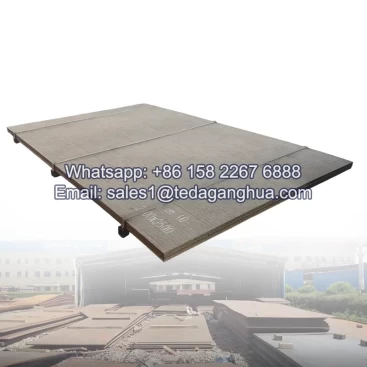
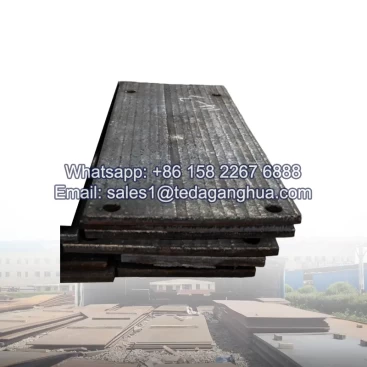
| Hard Facing Plate | A finished composite plate with a wear-resistant overlay layer bonded to a steel base | Finished product |
| ハードフェーシング | Industrial term for creating a hard protective surface by welding or thermal spraying | Process category |
| クロム炭化物オーバーレイプレート | A specific type of hard facing plate using chromium carbide alloy overlay | Finished product |
Simply explained:
- Hard surfacing = how the wear layer is created.
- Hard facing plate = the final material you purchase and install.
2. What Does Hard Surfacing Mean?
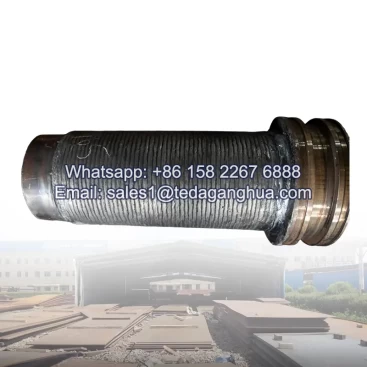
Hard surfacing refers to any technology used to improve surface wear resistance by adding a harder material layer onto a base metal.
The base material is usually:
- 炭素鋼
- Low alloy steel
- ステンレス鋼
- Cast iron components
The deposited layer may contain:
- 炭化クロム
- 炭化タングステン
- ニッケル基合金
- Cobalt-based alloys
- Iron-based wear alloys
Hard surfacing is commonly applied to:
- Crusher teeth
- マイニングバケット
- ミルローラー
- Valve seats
- Industrial components requiring repair or protection
3. What Is a Hard Facing Plate?
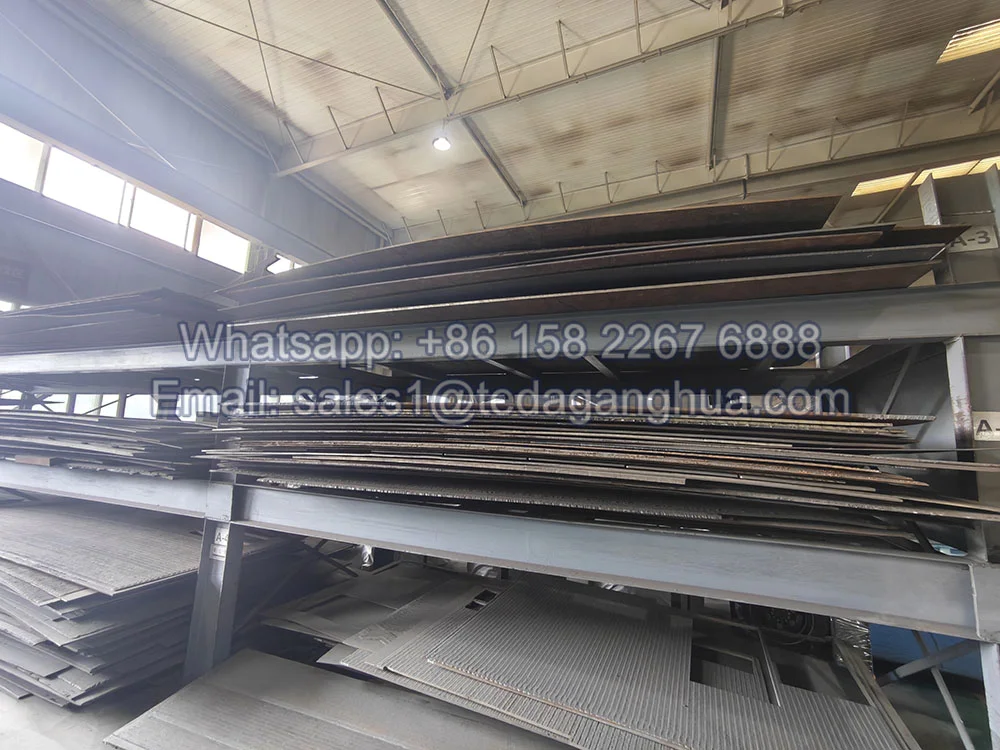
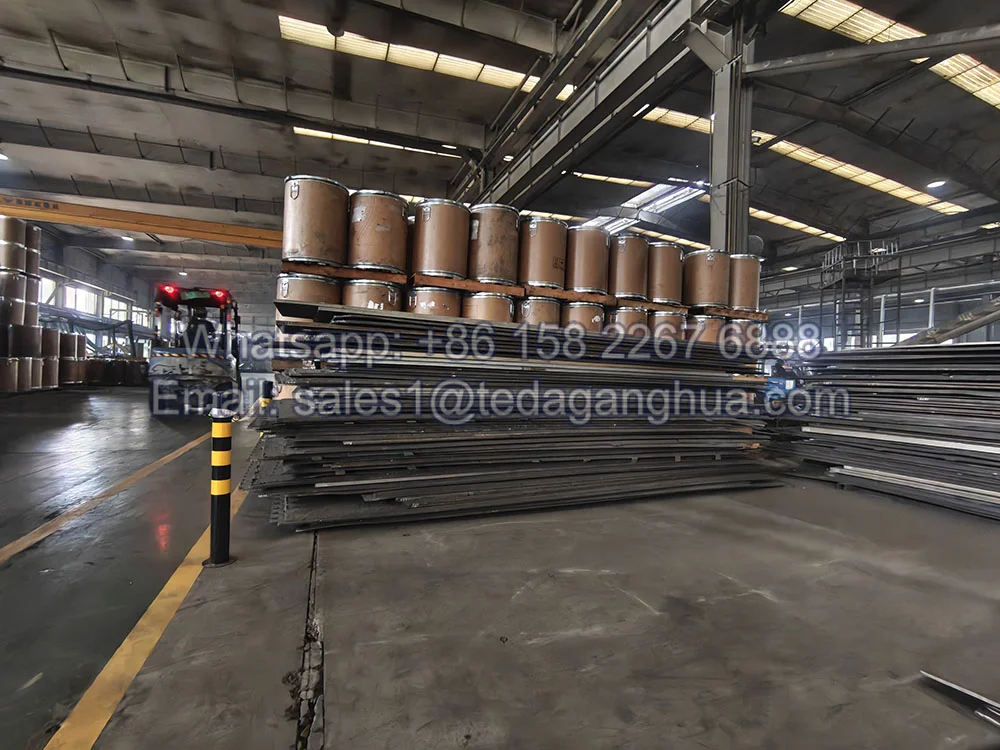
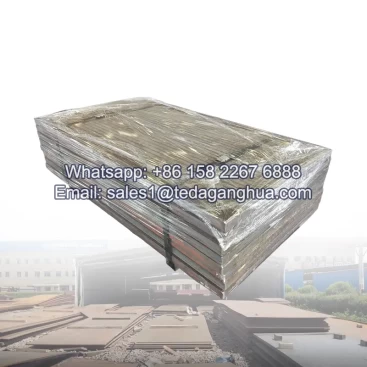
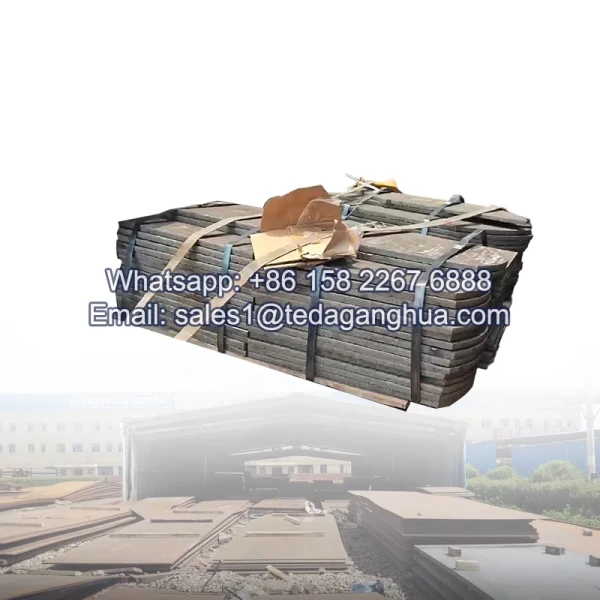
A hard facing plate is a factory-produced composite wear plate designed for installation as a replaceable wear liner.
Its typical structure:
| 層 | 関数 |
|---|---|
| Wear Overlay Layer | Provides high abrasion resistance, usually HRC 50-65 硬度 |
| Steel Backing Plate | Provides toughness, welding ability, と構造的なサポート |
The most common commercial version is the クロム炭化物オーバーレイプレート (CCOプレート), widely used in mining, セメント, 鋼鉄, and power industries.
4. Understanding Four Common Industry Terms
4.1 肉盛溶接
“Weld overlay” describes the manufacturing method where a wear-resistant alloy is deposited onto a steel substrate through welding.
It emphasizes the bonding process rather than the final application.
Common methods:
- サブマージアーク溶接 (見た)
- オープンアーク溶接
- Gas Metal Arc Welding
- Plasma Transfer Arc
4.2 クラッディング
Cladding is a broader engineering term describing the bonding of one material layer onto another material.
Cladding may include:
- Weld cladding
- Explosion bonding
- Roll bonding
- レーザークラッディング
In some industries, “clad plate” may refer to corrosion-resistant stainless steel bonded plates rather than abrasion-resistant plates, so buyers should confirm the application.
4.3 Fusion Bonded Wear Plate
Fusion bonded wear plate refers to a wear layer metallurgically bonded to the steel substrate through melting and solidification.
The term highlights:
- Strong metallurgical connection
- Low risk of delamination
- High load-bearing capability
4.4 ハードフェーシング
Hardfacing is the most commonly used industry spelling, especially in North America and Australia.
It generally means applying a hard alloy surface to improve wear resistance.
It can describe:
- Repair welding
- Component protection
- Wear plate production
5. Regional Purchasing Terminology Differences
| 地域 | Common Terms | Buyer Expectation |
|---|---|---|
| United States | Hardfacing plate / Chrome carbide overlay / CCOプレート | Usually means finished wear plate |
| ヨーロッパ | Weld overlay plate / Wear resistant cladding | Focus on metallurgical bonding and standards |
| Australia | ハードフェーシング / Chromium carbide plate | Mining industry focused terminology |
| 東南アジア | Hard facing plate / CCOプレート | Often used for mining and cement projects |
6. Hard Facing Plate vs Wear Resistant Steel Plate
| 材料 | 主な特長 | Suitable Condition |
|---|---|---|
| クロム炭化物オーバーレイプレート | 非常に高い表面硬度 | 激しい滑り摩耗 |
| NM400/NM500 Wear Plate | バランスの取れた硬度と靱性 | インパクト + 摩耗 |
| Standard Steel Plate | Low cost and easy fabrication | Light wear |
7. How Buyers Should Specify the Product
To avoid misunderstanding, buyers should provide more than just the word “硬化仕上げ”.
A complete specification should include:
- Product type: chromium carbide overlay plate or other alloy
- ベースプレートの厚さ
- オーバーレイの厚さ
- Hardness requirement
- Chemical composition requirement
- Plate size
- Application condition
8. Common Purchasing Mistakes
- Assuming all hardfacing plates have the same wear life
- Comparing only hardness without checking carbide structure
- Confusing repair hardfacing with factory overlay plates
- Ignoring base plate toughness in impact applications
- Choosing the cheapest plate without considering replacement frequency
9. Hard Facing Plate Solutions from Teda Ganghua
Teda Ganghua provides professional wear protection solutions for customers in mining, セメント, 鋼鉄, 発電, and heavy industrial sectors.
Our product solutions include:
- 炭化クロムオーバーレイプレート
- Customized hard facing plates
- Wear liner solutions for severe abrasion environments
- Cutting and fabrication support according to project requirements
By combining material selection experience with application analysis, Teda Ganghua helps customers choose the correct wear protection solution instead of simply purchasing by price.
Learn more:
結論
Hard surfacing and hard facing plate are related but different concepts. Hard surfacing describes the technology, while hard facing plate describes the finished wear-resistant product.
For international buyers, understanding the difference between hardfacing, 肉盛溶接, 被覆材, and chromium carbide overlay plate helps prevent specification errors and ensures the purchased material matches the actual working condition.