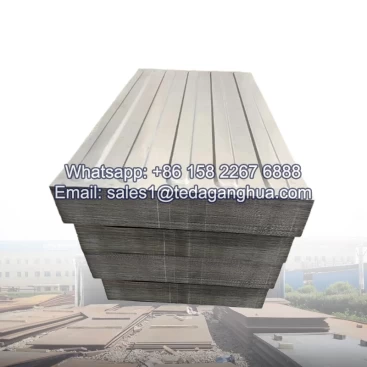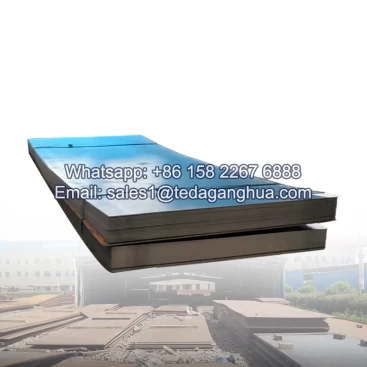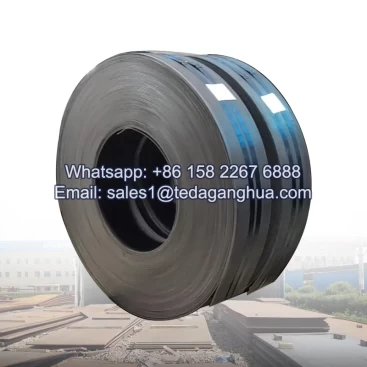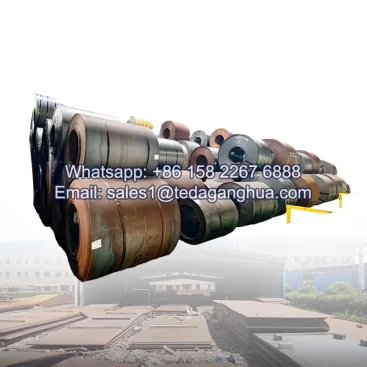
A588 Corten Steel

-
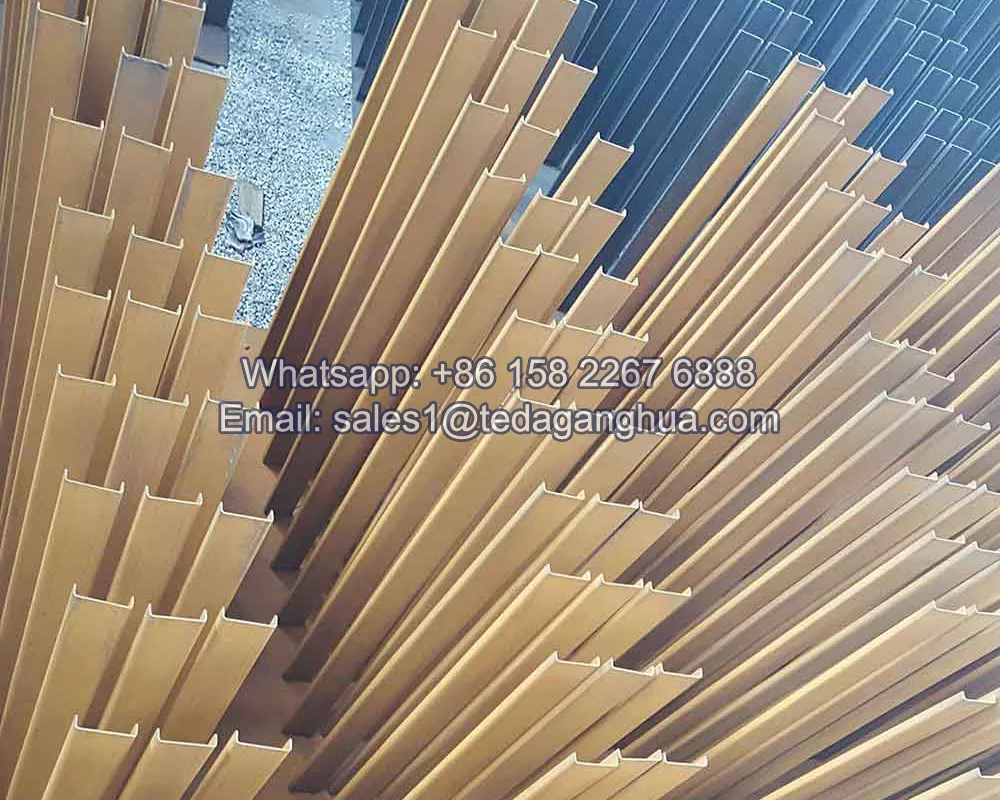
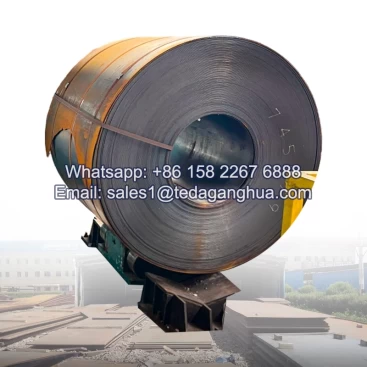
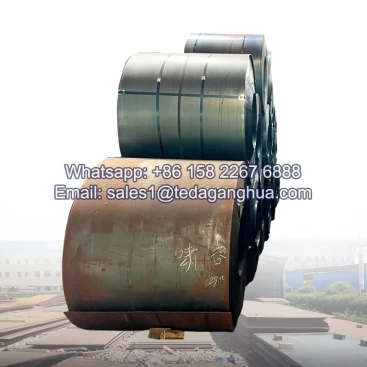
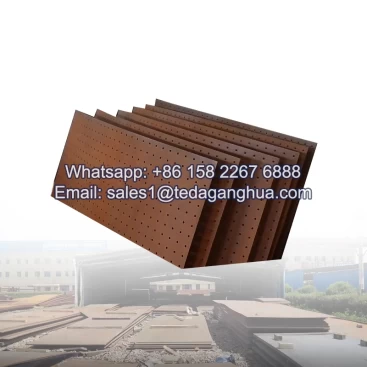
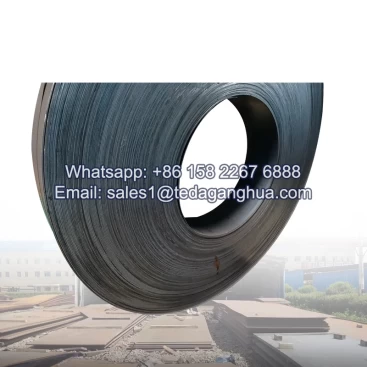
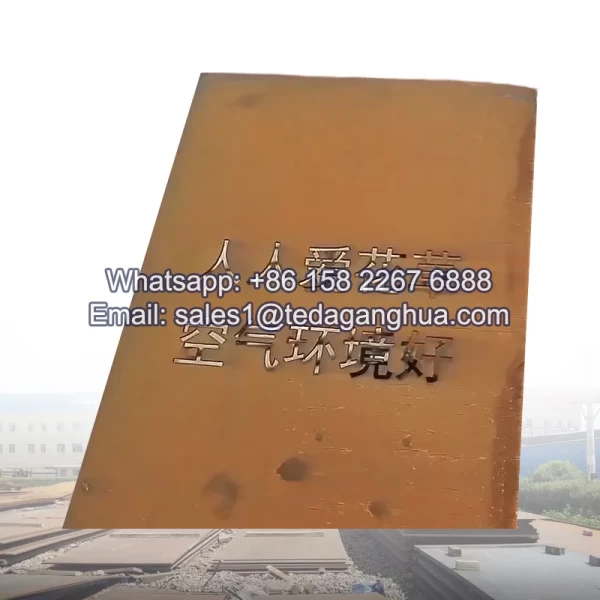
A588 Corten steel: Weathering steel with high strength, corrosion resistance, and aesthetic patina, ideal for bridges, urban landscaping, facades, and outdoor sculptures.
-
SPA-H steel: Standard structural steel, requires coating for outdoor exposure, mainly used for general structural applications.
Selection Tip: Choose A588 when long-term outdoor exposure and low maintenance are required; choose SPA-H for coated structural steel in buildings or industrial frameworks.
- Description
A588 Corten steel and SPA-H steel are both widely used structural steels, but they serve different purposes and have distinct chemical compositions, mechanical properties, and applications. Understanding the differences is important for selecting the right material for construction, urban landscaping, or industrial projects.
1. Chemical Composition Comparison
| Element | A588 Corten Steel (%) | SPA-H Steel (%) | Notes |
|---|---|---|---|
| Carbon (C) | 0.14–0.20 | 0.14–0.20 | Similar carbon content for strength |
| Manganese (Mn) | 0.50–1.00 | 0.50–1.00 | Provides tensile strength and toughness |
| Phosphorus (P) | 0.07–0.15 | ≤0.035 | Higher P in A588 promotes protective patina |
| Sulfur (S) | ≤0.05 | ≤0.035 | Low content in both for machinability |
| Silicon (Si) | 0.20–0.50 | 0.20–0.50 | Strength and deoxidation |
| Copper (Cu) | 0.25–0.55 | – | SPA-H usually has negligible Cu; Cu in A588 accelerates patina formation |
| Chromium (Cr) | 0.40–1.25 | – | Enhances corrosion resistance in A588 |
| Nickel (Ni) | 0.40–0.65 | – | Increases toughness in A588 |
| Other | – | – | SPA-H is plain carbon-manganese steel; no weathering elements |
Key Difference: A588 contains Cu, Cr, Ni, and higher P to form a self-protecting patina, while SPA-H is a plain structural steel without weathering alloying elements.
2. Mechanical Properties Comparison
| Property | A588 Corten Steel | SPA-H Steel | Notes |
|---|---|---|---|
| Yield Strength | 345–450 MPa | 275–355 MPa | A588 is higher strength for structural loads |
| Tensile Strength | 485–620 MPa | 400–550 MPa | A588 stronger for heavy-duty applications |
| Elongation | ≥18% | ≥20% | SPA-H slightly more ductile |
| Hardness | 130–160 HB | 120–150 HB | Comparable surface hardness |
| Corrosion Resistance | Excellent | Poor | SPA-H requires coatings; A588 develops protective patina naturally |
Key Difference: A588 has superior corrosion resistance due to weathering alloy elements, while SPA-H needs painting or galvanization for outdoor use.
3. Common Applications
| Material | Typical Applications |
|---|---|
| A588 Corten Steel | Bridges, building facades, tree grates, urban landscaping, sculptures, outdoor tanks, silos |
| SPA-H Steel | Structural steel for buildings, ships, machinery, bridges (coated for corrosion protection) |
Key Difference: A588 is ideal for outdoor exposed applications, SPA-H is mainly structural steel used indoors or coated for outdoor use.
4. Summary of Differences
| Feature | A588 Corten Steel | SPA-H Steel |
|---|---|---|
| Alloying Elements | Cu, Cr, Ni, P | Minimal, plain carbon-manganese steel |
| Patina Formation | Self-protecting reddish-brown surface | None; requires paint or coating |
| Corrosion Resistance | High | Low (needs protection) |
| Strength | Higher yield and tensile | Moderate, suitable for general structures |
| Applications | Outdoor architectural and landscaping | Indoor/covered structures, coated outdoor structures |