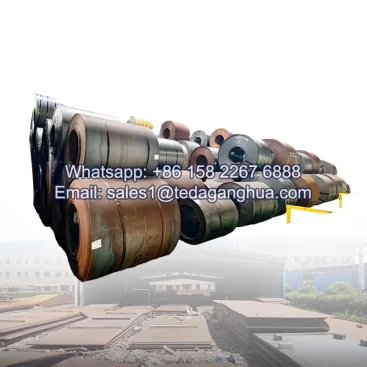
Rusted Steel Cladding
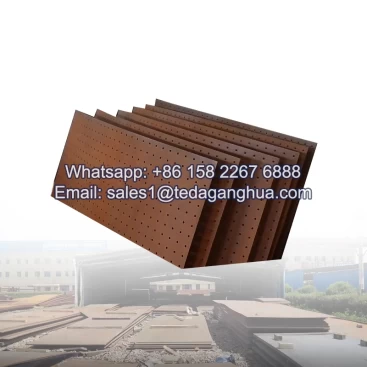
Corten steel is called “red rust steel” because of the reddish-brown protective patina it forms naturally when exposed to weather. This rust is not a sign of degradation; instead, it protects the steel while providing a distinctive decorative finish. Its combination of durability, low maintenance, and natural aesthetic makes it a popular choice for rusted steel cladding in modern architecture and landscape design.
- Description
Rusted steel cladding, commonly known as Corten steel or weathering steel, is often referred to as “red rust steel” because of the distinctive reddish-brown surface it develops naturally when exposed to the environment. Unlike ordinary carbon steel, which corrodes continuously and deteriorates over time, Corten steel forms a stable, protective rust layer that prevents further deep corrosion. This unique surface appearance gives it both aesthetic appeal and long-term durability.
Why Corten Steel Is Called “Red Rust Steel”
Natural Patina Formation
When Corten steel is exposed to moisture and oxygen, its surface begins to oxidize. Unlike normal rusting steel, this rust layer is dense and adherent, forming a patina that:
-
Is reddish-brown in color, giving the steel its “red rust” nickname
-
Protects the underlying steel from further corrosion
-
Creates a textured, natural surface that changes subtly over time
This process is accelerated by cycles of wet and dry weather, which help the protective layer stabilize.
Composition That Promotes Rust Color
The red rust appearance comes from the alloying elements in Corten steel:
| Element | Function in Patina Formation |
|---|---|
| Chromium (Cr) | Forms a thin protective oxide layer, slowing corrosion |
| Copper (Cu) | Enhances the stability and color of the rust patina |
| Nickel (Ni) | Improves overall corrosion resistance |
| Phosphorus (P) | Accelerates formation of the protective rust layer |
Together, these elements ensure that the rust forms evenly and adheres strongly, resulting in the characteristic red-brown color.
Difference from Ordinary Rust
-
Ordinary carbon steel rust is unstable, flakes off, and continues to corrode.
-
Corten steel’s rust is stable and protective, giving it durability and aesthetic value.
-
This is why Corten steel is intentionally used for exterior cladding, bridges, sculptures, and architectural panels.
Advantages of Red Rust Steel Cladding
-
Unique aesthetic: The red-brown rust patina creates a natural, industrial look
-
Low maintenance: Protective rust layer eliminates the need for painting
-
Durable: Resistant to corrosion over long-term outdoor exposure
-
Versatile: Suitable for facades, landscaping, sculptures, and outdoor furniture