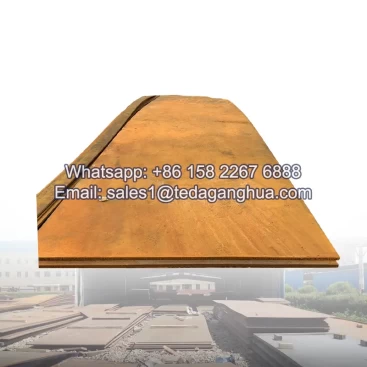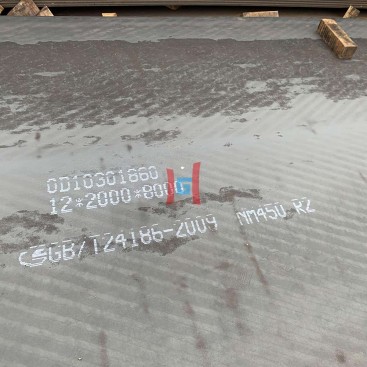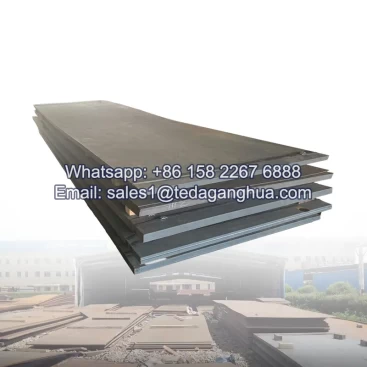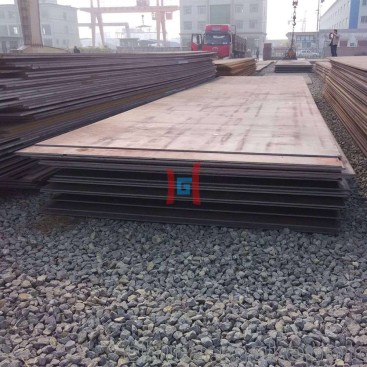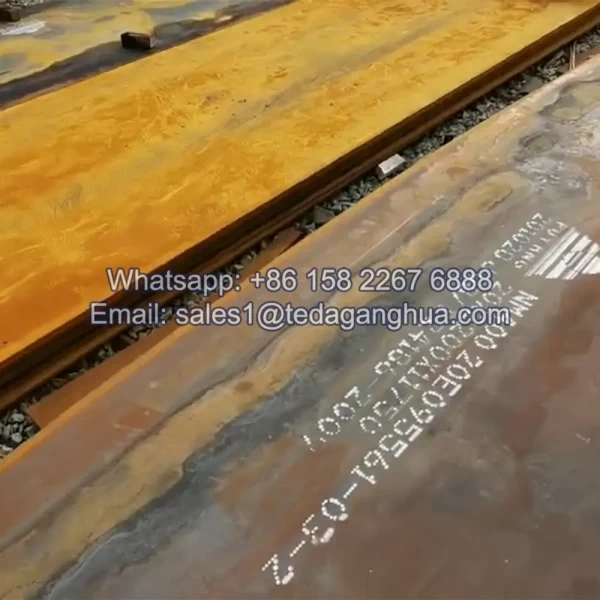

Composite Wear Plate
Composite wear plates combine the toughness of steel with the extreme hardness of alloy or carbide materials, creating a highly effective solution for industrial environments with severe abrasion and impact. With a wide range of types—including chromium carbide, tungsten carbide and ceramic composites—they enable tailored wear protection for mining, cement, power generation and bulk material handling applications.
- Description
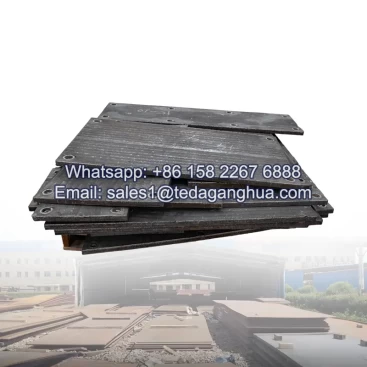
Composite wear plates are engineered materials designed to withstand severe abrasion, impact and erosion in heavy industrial applications. They typically consist of two integrated layers: a tough steel base and a wear-resistant alloy overlay, bonded through welding, metallurgical bonding, or mechanical processes. By combining high hardness with structural toughness, composite plates significantly extend equipment service life in mining, quarrying, steel mills, power plants and construction machinery.
Composition of Composite Wear Plates
Most composite wear plates are produced by fusing a high-hardness alloy layer onto a mild steel or alloy steel substrate. The surface wear layer typically contains high concentrations of:
-
Chromium carbide (Cr7C3 / Cr23C6)
-
Tungsten carbide (WC)
-
Niobium carbide (NbC)
-
Vanadium carbide (VC)
-
Complex carbide alloy systems
-
Additional alloying elements such as Ni, Mo, and B for reinforcement
Typical Structure
-
Base layer: structural steel (e.g., Q235, Q345, mild steel for welding compatibility)
-
Overlay layer: 60–65% carbides dispersed in a wear-resistant iron-based matrix
Surface hardness commonly ranges from 55–65 HRC, depending on carbide type and density.
Common Types of Composite Wear Plates
| Type of Composite Plate | Overlay Material | Hardness | Main Wear Strength | Characteristics |
|---|---|---|---|---|
| Chromium Carbide Overlay (CCO) Plate | Cr-carbide alloy | 55–62 HRC | Excellent sliding abrasion | Most common type; weldable base |
| Tungsten Carbide Composite Plate | WC/Ni matrix | 65–75 HRC | Extreme impact + abrasion | Used in ultra-high-wear mining conditions |
| Complex Carbide Composite Plate | Cr + Nb + V + B carbide alloys | 60–67 HRC | Combined abrasion & erosion | Improved cracking resistance |
| Ceramic Composite Plate | Ceramic tiles + steel backing | 70–90 HRC | Fine particle erosion | Lightweight and extremely wear-resistant |
| Bimetal Wear Plate | Steel + alloyed antifriction surface | Moderate | Impact and fatigue loading | Higher toughness and shock resistance |
Manufacturing Methods
Composite wear plates are typically manufactured using:
-
Open arc welding overlay
-
Submerged arc welding (SAW) overlay
-
Plasma-transferred arc (PTA) cladding
-
Laser cladding
-
Brazed ceramic-steel bonding
-
Hot roll bonded bimetal
Each process affects carbide distribution, crack resistance and overall plate durability.
Typical Applications
Composite wear plates are used in industries where equipment experiences continuous abrasive wear:
-
Mining and quarry processing
-
Cement and aggregate production
-
Iron ore and coal handling systems
-
Power plant mills and ash handling
-
Steel mill production equipment
-
Bucket and truck bed liners
-
Chutes, hoppers and transfer points
-
Crusher components and screen plates
Advantages of Composite Wear Plates
-
High hardness and excellent abrasion control
-
Longer service life than standard AR steel
-
Strong structural support due to steel backing
-
Weldable and cuttable for flexible installation
-
Suitable for both impact and sliding wear conditions