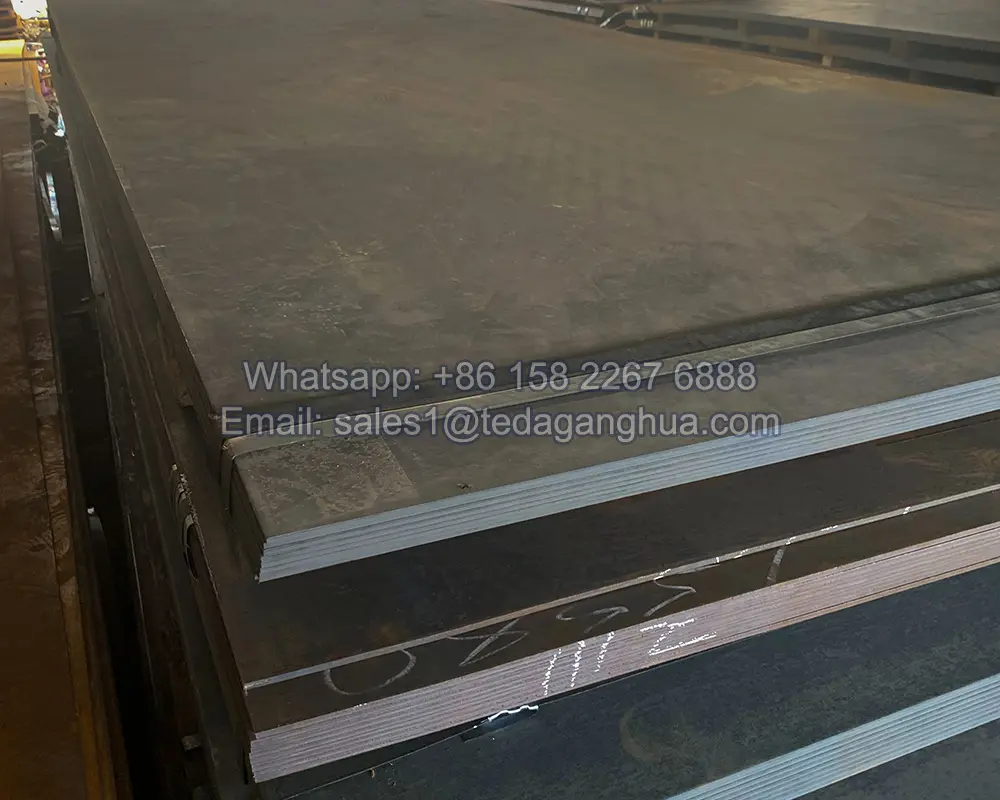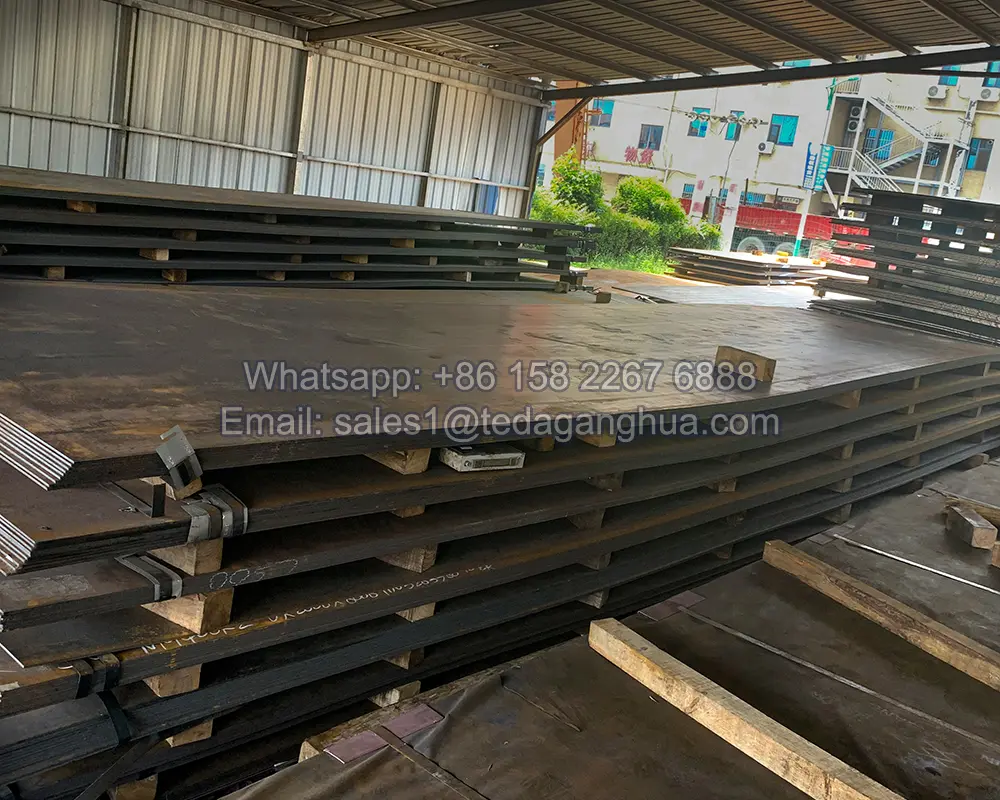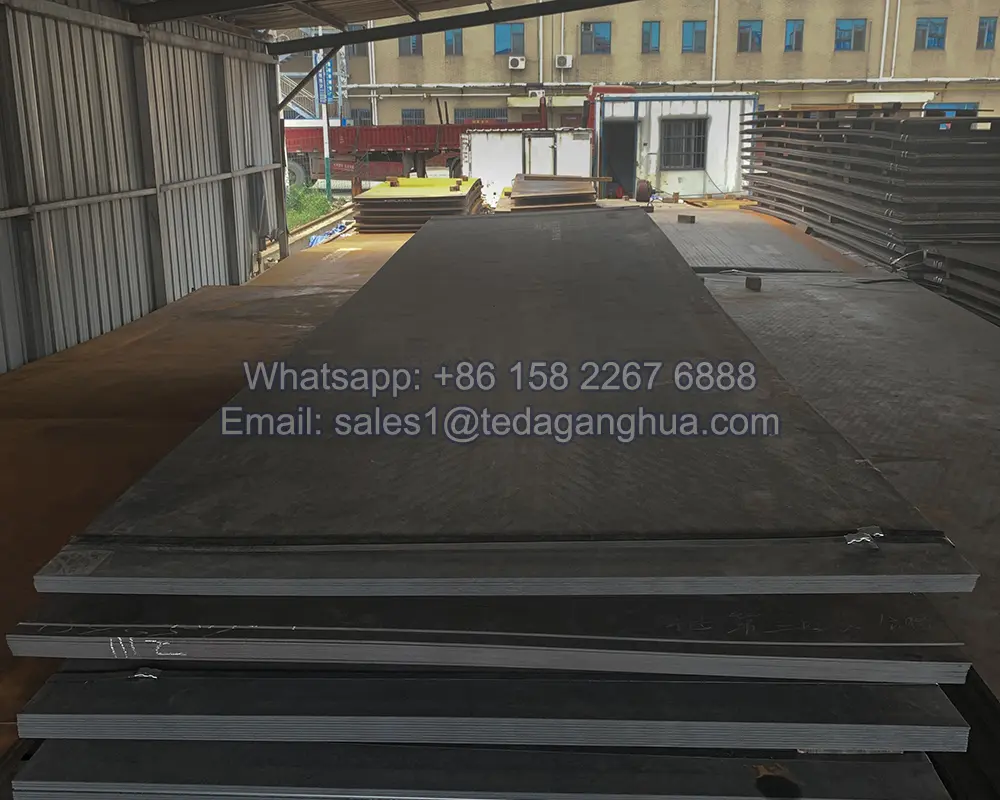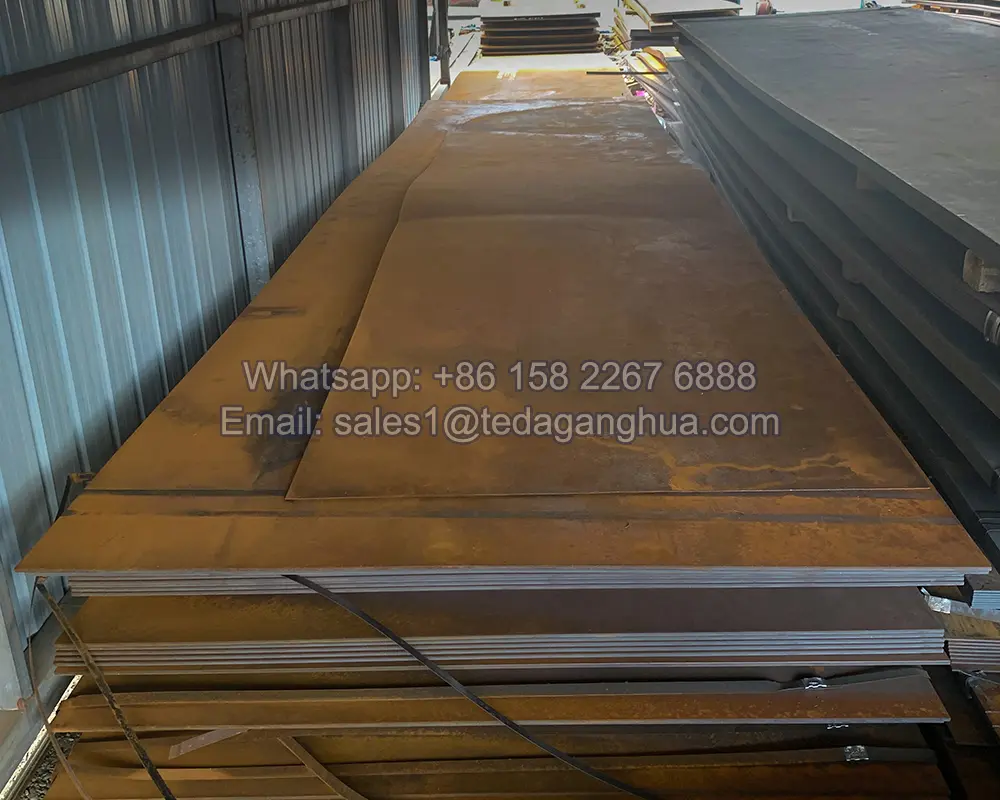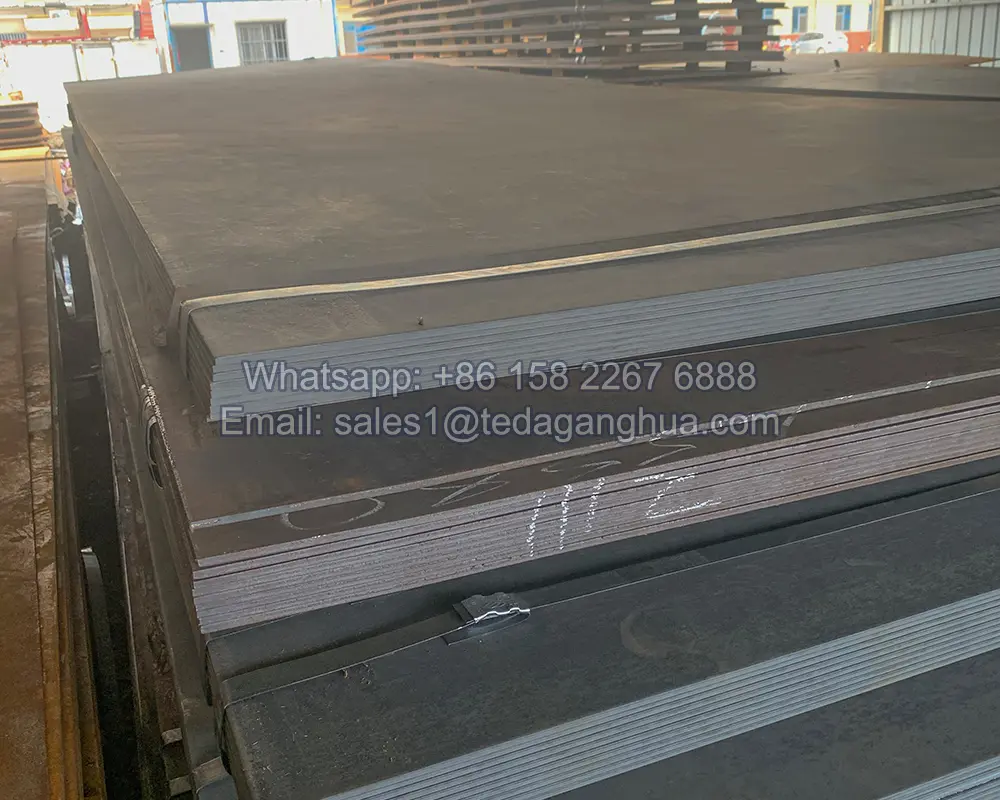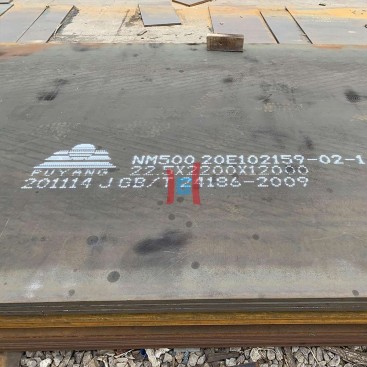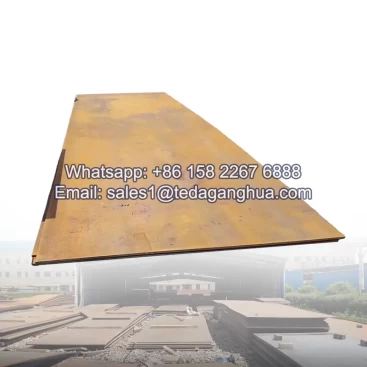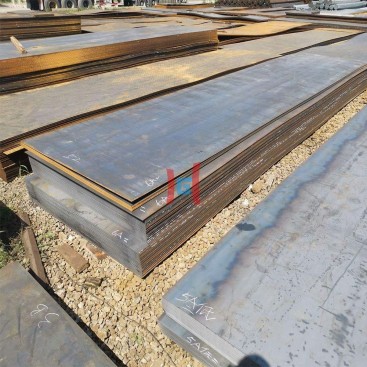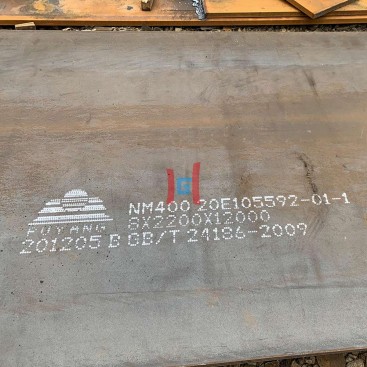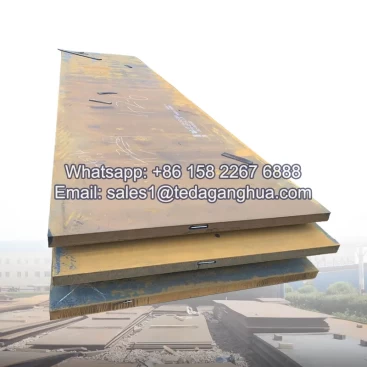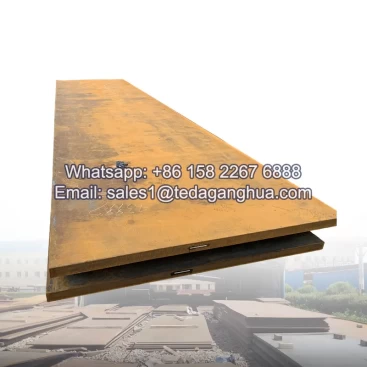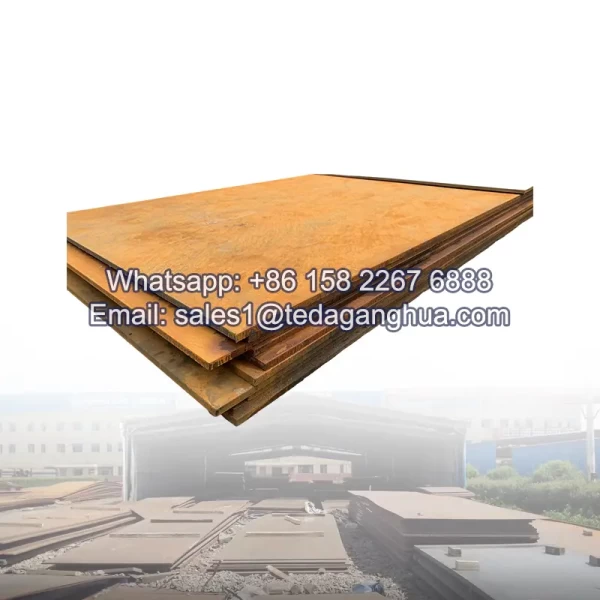
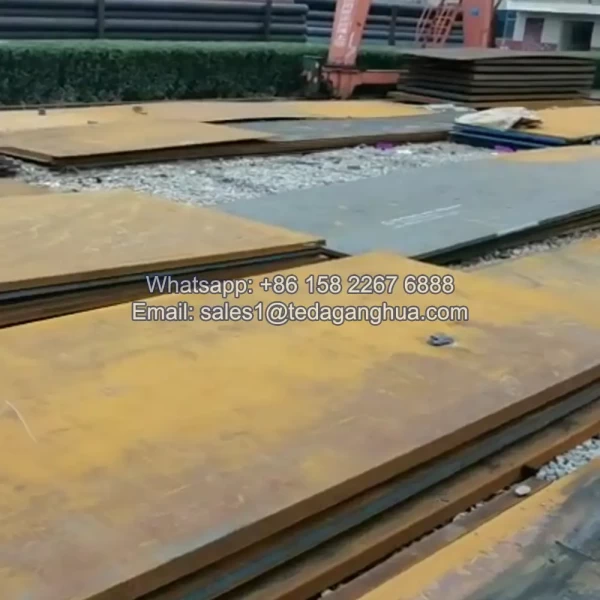
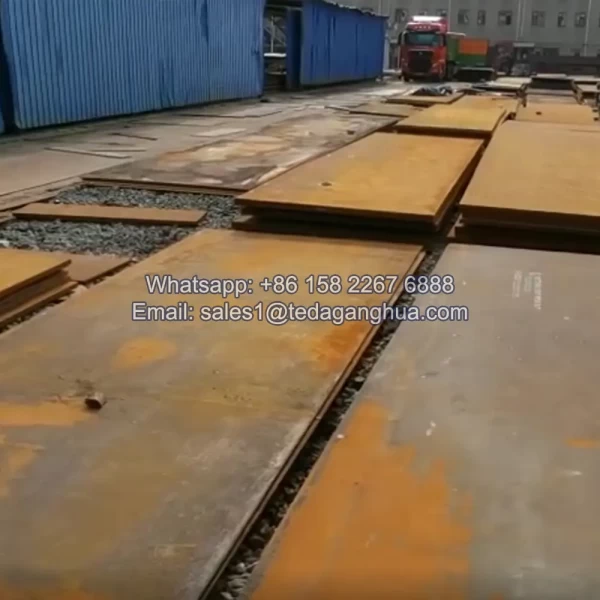
Wear Resistant Steel Grades

-
AR (Abrasion Resistant) grades differ mainly by hardness level (HBW).
-
Higher hardness → higher wear life, but lower formability and toughness.
-
AR400 is the most versatile grade, used in most industries.
-
AR500–AR600 offer superior protection in mining and crushing environments.
-
Mn13 provides unmatched impact resistance through work hardening.
- Description
Wear resistant steel (also called abrasion resistant steel) is designed to perform under conditions of severe wear and surface friction.
Its grades — such as AR360, AR400, AR450, AR500, and AR600 — differ mainly in hardness, toughness, and fabrication ability.
The number in each grade represents its approximate Brinell hardness value (HBW), which determines how resistant it is to abrasion and impact.
QUB: Quick Understanding Table of Wear Resistant Steel Grades
| Grade | Approx. Hardness (HBW) | Yield Strength (MPa) | Impact Toughness (J, -40°C) | Weldability & Formability | Wear Resistance | Typical Applications |
|---|---|---|---|---|---|---|
| AR360 / NM360 | 320 – 380 | 900 – 1100 | ≥ 30 | Excellent | Moderate | Truck beds, construction liners, agricultural equipment |
| AR400 / NM400 | 360 – 440 | 1000 – 1250 | ≥ 27 | Very Good | High | Hoppers, chutes, buckets, dump truck bodies |
| AR450 / NM450 | 420 – 480 | 1100 – 1350 | ≥ 25 | Good | Very High | Crushers, conveyor plates, excavator buckets |
| AR500 / NM500 | 470 – 540 | 1200 – 1400 | ≥ 20 | Moderate | Extreme | Mining trucks, wear liners, cutting edges |
| AR600 / NM600 | 560 – 620 | 1300 – 1500 | ≥ 15 | Limited | Maximum | Knife blades, impact liners, pipelines |
| High Manganese Steel (Mn13) | Work hardens up to 500 HBW | ~370 | Very High | Good (under impact) | Self-hardening | Crusher jaws, impact walls, railway crossings |
Key Performance Differences
-
Hardness and Wear Resistance
-
Hardness increases from AR360 → AR600.
-
Every 50 HBW increase can improve wear life by 15–25%, depending on the abrasion type.
-
-
Impact Toughness
-
Lower hardness grades (AR360, AR400) have better toughness and are suitable for impact + wear environments.
-
Higher grades (AR500, AR600) are best for pure sliding abrasion.
-
-
Formability and Weldability
-
AR360 and AR400 can be bent and welded easily.
-
AR500 and above require preheating and controlled cooling to avoid cracking.
-
-
Service Life
-
Typical service life improvement over mild steel:
-
AR400: ~3× longer
-
AR500: ~4–5× longer
-
AR600: ~6× longer
-
-
Typical Applications by Grade
| Grade | Industry | Application Examples | Wear Condition Type |
|---|---|---|---|
| AR360 / NM360 | Construction | Liners, truck floors, loader bins | Medium impact + moderate abrasion |
| AR400 / NM400 | Construction, Agriculture | Hoppers, mixers, truck beds | Sliding abrasion |
| AR450 / NM450 | Mining, Cement | Chutes, feeders, blades | High abrasion + occasional impact |
| AR500 / NM500 | Mining, Steel, Power | Crusher liners, hammers, conveyor plates | Severe sliding abrasion |
| AR600 / NM600 | Energy, Recycling | Knife edges, wear rings, impact surfaces | Extreme abrasion, low deformation |
| Mn13 (Hadfield Steel) | Mining, Railways | Crusher jaws, rail crossings | Repeated heavy impact (work hardening) |
Grade Selection Guide
| Operating Condition | Recommended Grade | Reason |
|---|---|---|
| High impact + moderate wear | AR360 / AR400 | Better toughness and formability |
| Continuous sliding abrasion | AR450 / AR500 | Strong surface hardness and stability |
| Extreme wear, low impact | AR600 | Maximum hardness and service life |
| Repeated impact + deformation | Mn13 | Work-hardening surface resists cracking |