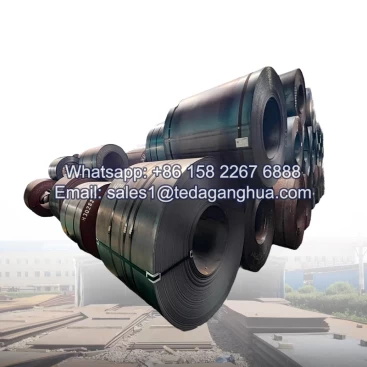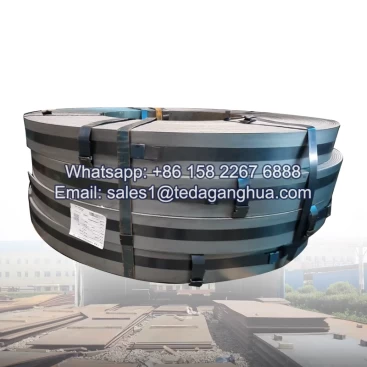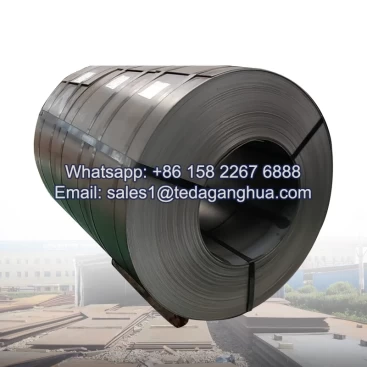
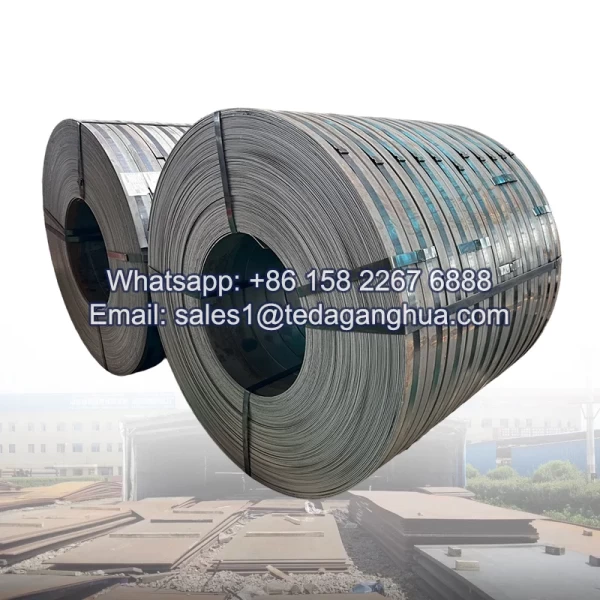
Corten Steel Cladding
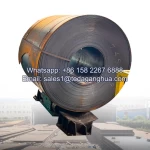
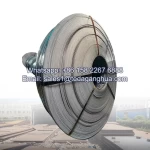
Corten steel cladding develops its characteristic red rust layer through a natural weathering process, enhanced by alloying elements such as chromium, copper, nickel, and phosphorus. This rust layer is both decorative and protective, preventing further corrosion and providing long-lasting durability.
- Description
Corten steel cladding, also called weathering steel cladding, is widely used in architecture and landscaping due to its durable, low-maintenance properties and distinctive reddish-brown rusted surface. The unique “red rust” layer is not a defect but a protective patina that forms naturally, giving corten steel both aesthetic appeal and long-term corrosion resistance.
Formation Principle of the Rust Layer
The red rust layer of Corten steel forms through a controlled weathering process when the steel is exposed to air, moisture, and fluctuating outdoor conditions. Unlike ordinary carbon steel, which continues to corrode over time, the surface of corten steel develops a stable oxide layer that protects the underlying metal.
How the Protective Rust Forms
-
Exposure to Moisture and Oxygen
-
When the steel surface is exposed to rain, dew, or humidity, it reacts with oxygen to form a thin layer of iron oxide.
-
-
Formation of a Dense Patina
-
The alloying elements in corten steel, such as chromium, copper, nickel, and phosphorus, promote the formation of a dense, adherent oxide layer.
-
This layer adheres tightly to the surface, preventing further corrosion.
-
-
Stabilization Through Weathering Cycles
-
Alternating wet and dry conditions accelerate the development of a uniform patina.
-
Over time, the surface matures into a stable, deep reddish-brown color, commonly referred to as the red rust layer.
-
Role of Alloying Elements
| Element | Function |
|---|---|
| Chromium (Cr) | Enhances oxidation resistance and stabilizes the patina |
| Copper (Cu) | Promotes even color and protects against corrosion |
| Nickel (Ni) | Improves weathering performance and toughness |
| Phosphorus (P) | Speeds up the formation of the protective rust layer |
The combination of these elements ensures that the rust acts as a self-protecting barrier, unlike ordinary rust which flakes and allows ongoing corrosion.
Applications of Corten Steel Cladding
Corten steel cladding is ideal for projects where both aesthetics and durability are required. Its natural red-brown patina creates a warm, industrial appearance that evolves over time.
Architectural Facades
-
Exterior walls of commercial and residential buildings
-
Industrial-style lofts and modern architectural designs
-
Building entrances and accent panels
Landscape and Urban Design
-
Garden walls and planters
-
Outdoor furniture and benches
-
Fencing and gates
-
Public sculptures and art installations
Bridges and Infrastructure
-
Pedestrian bridges and walkways
-
Outdoor shelters and canopies
-
Structural panels exposed to atmospheric conditions
Advantages in Applications
-
Low maintenance: Protective rust layer eliminates the need for paint
-
Durability: Resistant to atmospheric corrosion and long-term outdoor exposure
-
Visual appeal: Red rust surface adds natural, evolving aesthetic
-
Environmental adaptability: Performs well in urban, coastal, and industrial environments