- Description
Hardfacing Plate: Why It Is Used and How Long Its Wear Life Can Be
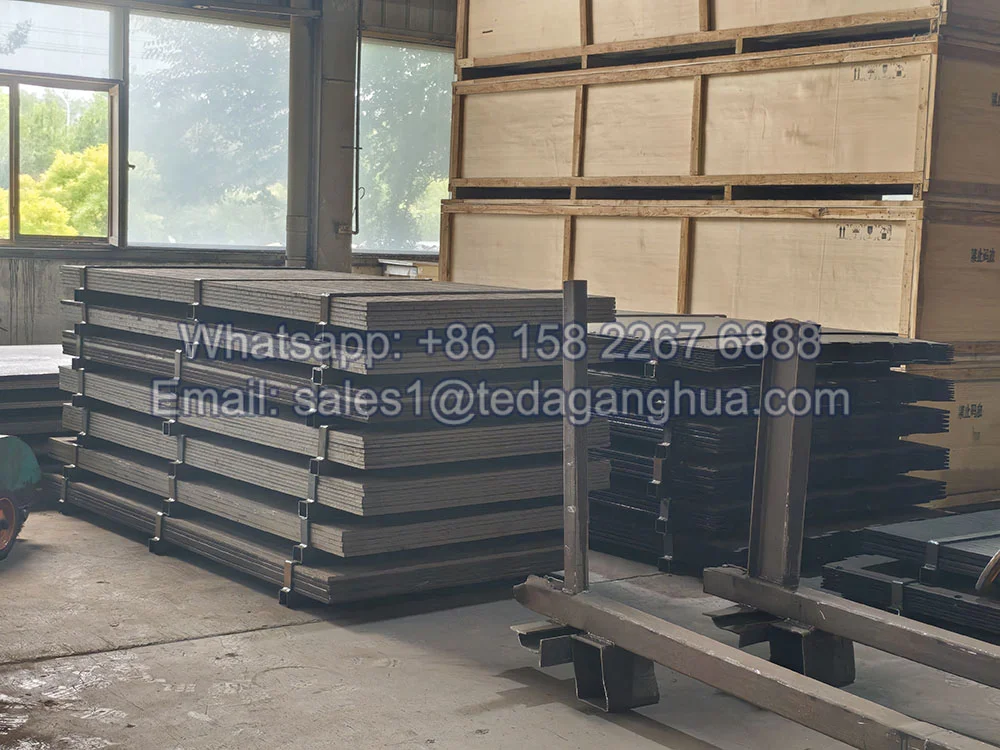
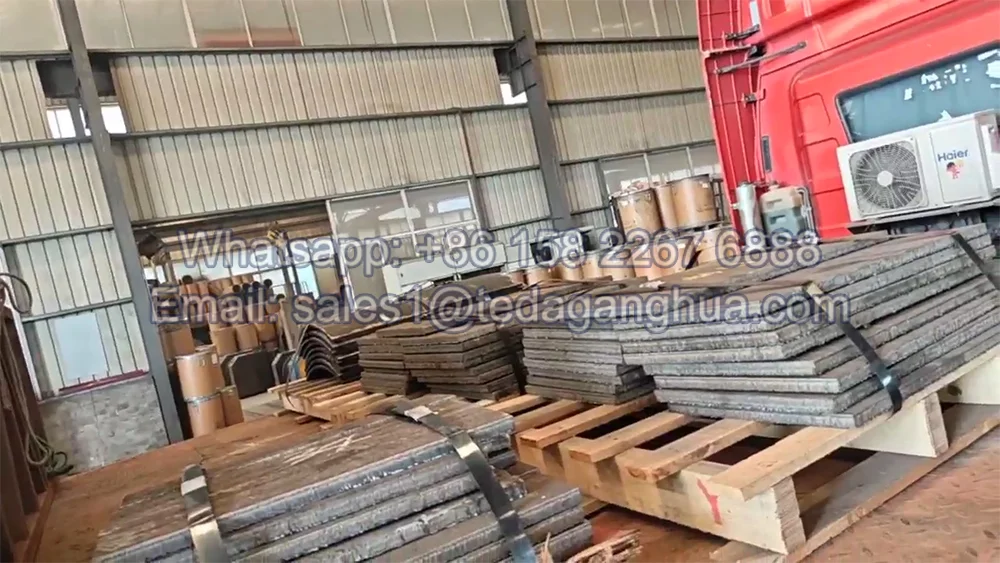
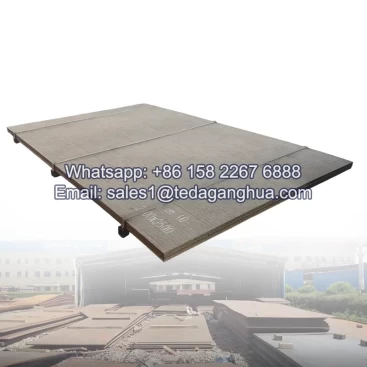
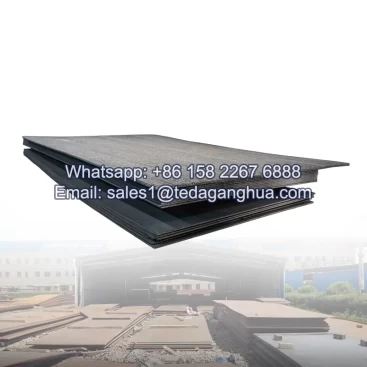
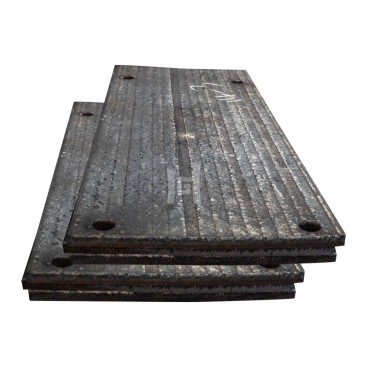
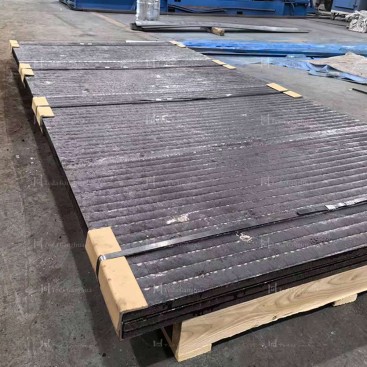
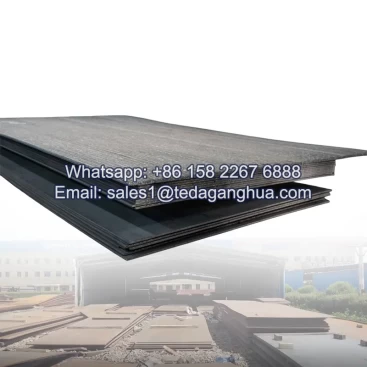
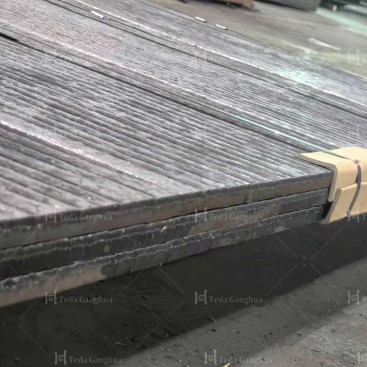
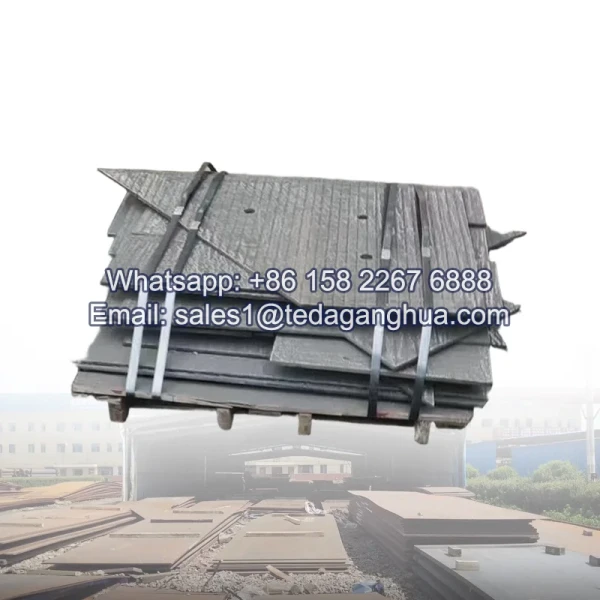
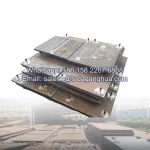
Hardfacing plate is a composite wear-resistant steel plate produced by depositing a hard alloy layer onto a carbon steel or low-alloy steel base through welding. The purpose of hardfacing is to significantly improve surface hardness and extend service life in severe wear environments such as mining, cement, steel, and power generation.
Instead of replacing the entire component, only the surface wear layer is reinforced, making hardfacing plate a cost-effective and high-performance solution for industrial wear protection.
1. Why Do We Use Hardfacing Plates?
| Problem in Industry | Hardfacing Plate Solution |
|---|---|
| Rapid surface wear | Hard alloy overlay resists abrasion |
| High replacement cost | Only wear layer is replaced or repaired |
| Short equipment life | Extends service life significantly |
| Frequent downtime | Reduces maintenance frequency |
The key idea is to “protect the base steel with a much harder surface layer.”
2. What Makes Hardfacing Plate Wear Resistant?
The wear resistance comes from the overlay layer, which typically contains:
- Chromium carbides: Provide extreme hardness (main system)
- Iron-based matrix: Supports carbide structure
- Alloy elements (C, Cr, Mn, Mo): Improve wear and toughness balance
This structure allows the surface to resist abrasive particles and sliding wear effectively.
3. How Long Is the Service Life of Hardfacing Plate?
The service life of hardfacing plates depends on working conditions such as material type, impact level, and abrasion intensity.
| Working Condition | Expected Service Life Improvement |
|---|---|
| Light abrasion | 3–5× longer than mild steel |
| Medium abrasion | 5–8× longer |
| Severe abrasion (cement/mining) | 8–12× longer |
| Extreme wear systems | 10×+ depending on design |
In many industrial applications, hardfacing plates can extend maintenance cycles from months to years.
4. Hardfacing Plate vs Standard Steel Plate
| Property | Hardfacing Plate | Ordinary Steel Plate |
|---|---|---|
| Surface hardness | HRC 58–65 | HB 120–250 |
| Wear resistance | Very high | Low |
| Service life | Much longer | Short |
| Maintenance cost | Lower long-term cost | Higher replacement frequency |
5. Key Advantages of Hardfacing Technology
- Extends equipment life significantly
- Reduces downtime and maintenance cost
- Customizable overlay thickness and hardness
- Suitable for extreme wear environments
6. Teda Ganghua Hardfacing Plate Supply Capability
As a professional wear-resistant steel supplier, Teda Ganghua provides high-quality hardfacing plates with stable chromium carbide overlay technology, ensuring consistent hardness and long service life in demanding industrial applications.
We support customized cutting, fabrication, and complete wear protection solutions for mining, cement, steel, and power industries.
Explore our wear-resistant steel products here:
Chromium Carbide Overlay Plate
Conclusion
Hardfacing plates are used to dramatically improve wear resistance by adding a high-hardness alloy overlay layer. Depending on working conditions, they can extend service life by several times compared with ordinary steel, making them a highly cost-effective industrial wear solution.