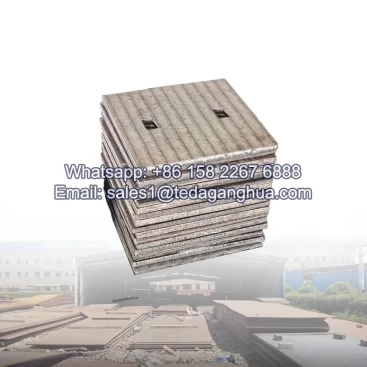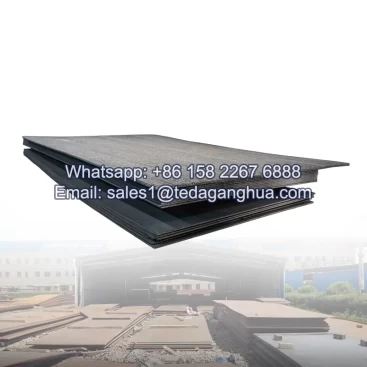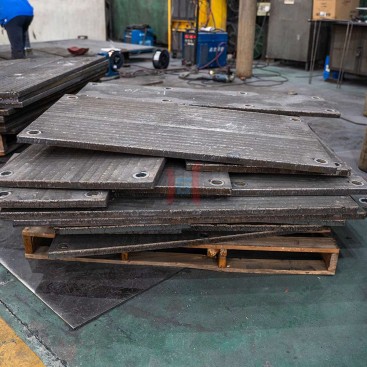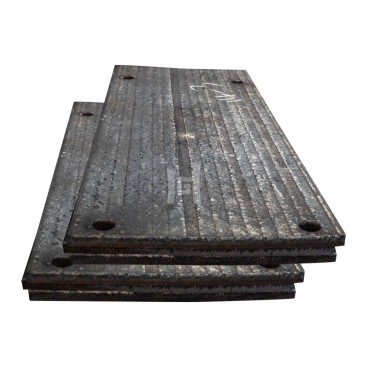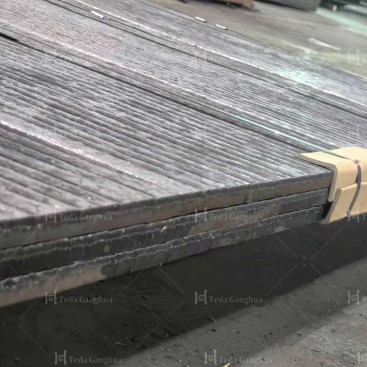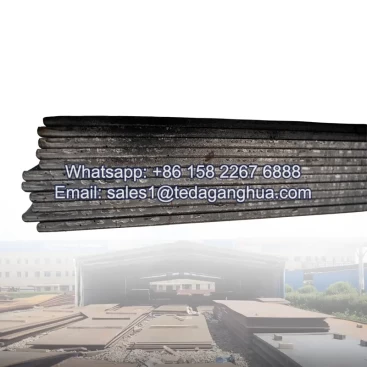
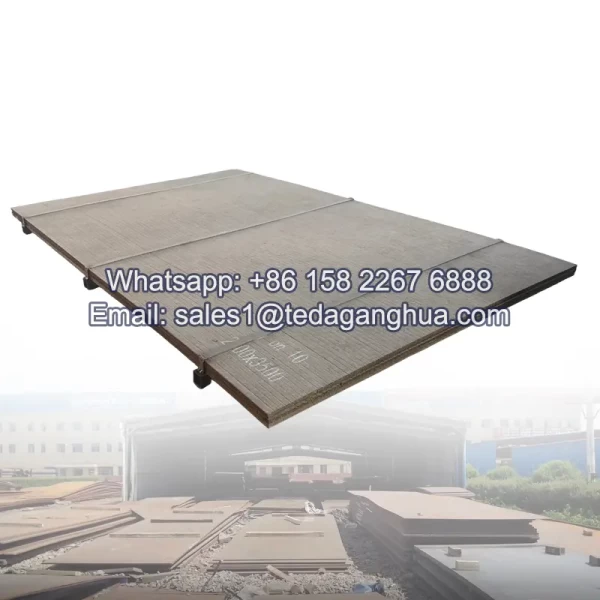


Overlay Plate

In an overlay plate, the weld overlay layer is the engineered hardfacing surface that provides wear resistance far beyond standard steel. By metallurgically bonding a hard alloy layer to a ductile steel base, the plate achieves both durability and structural strength. The result is a long-lasting material solution that significantly reduces downtime and maintenance costs in abrasive environments.
- Description
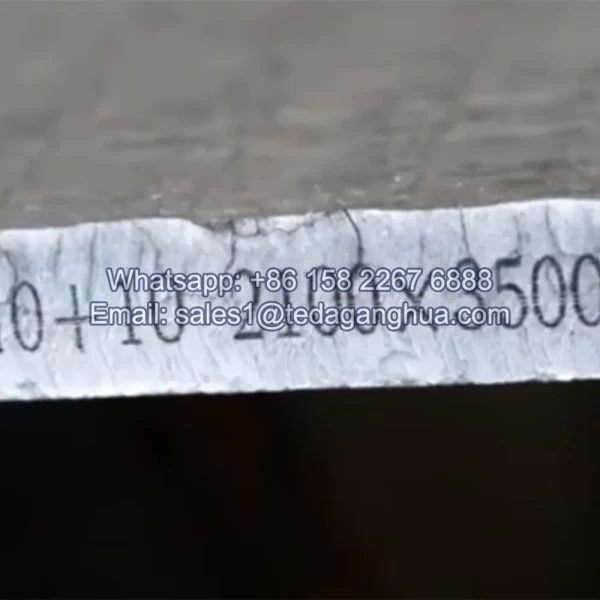
An overlay plate, also known as a weld-overlay wear plate, is a composite material made by welding a layer of wear-resistant alloy onto a steel base plate. The overlay layer (or weld layer) is the most critical part of the plate, as it determines the hardness, wear resistance, and overall service performance of the product.
What Is the Weld Overlay Layer?
The weld overlay layer is a surface coating formed by metallurgical bonding between a base plate (usually mild steel) and a deposited hardfacing alloy. It is created through automatic welding processes such as open-arc welding, submerged-arc welding, or plasma arc welding. During the welding process, high heat melts both the base metal surface and the added alloy material, allowing them to fuse together and form a strong, permanent bond.
Inside the overlay, the alloy elements—primarily chromium (Cr) and carbon (C)—combine to produce hard carbides such as Cr₇C₃. These carbides are extremely hard and evenly distributed within the iron matrix, giving the overlay its exceptional resistance to abrasion, erosion, and impact.
Typical Properties of the Overlay Layer
| Parameter / Property | Typical Range / Description | Function and Significance |
|---|---|---|
| Chemical Composition | 25–35% Cr, 4–6% C (depending on alloy grade) | Forms hard chromium carbides for high wear resistance. |
| Hardness (HRC) | 58–65 HRC | Provides superior surface hardness against sliding and impact wear. |
| Bonding Type | Metallurgical bond between overlay and base steel | Ensures no delamination during service. |
| Overlay Thickness | 3–10 mm | Adjustable based on wear severity and application. |
| Welding Process | Open-arc / Submerged arc / Plasma arc | Controls layer uniformity and minimizes dilution. |
| Microstructure | Carbide phase distributed in martensitic or austenitic matrix | Provides balanced hardness and toughness. |
| Dilution Ratio | <15% | Keeps overlay properties consistent and wear-resistant. |
Function of the Weld Overlay Layer
-
Wear Protection: The overlay serves as a barrier against abrasive particles, slurry, or impact forces.
-
Heat Resistance: Maintains hardness up to 600°C, suitable for high-temperature operations.
-
Corrosion Resistance: The high chromium content provides moderate corrosion resistance in acidic or oxidizing environments.
-
Repairability: Damaged surfaces can be re-welded with compatible hardfacing alloys, extending plate life.
Typical Applications
-
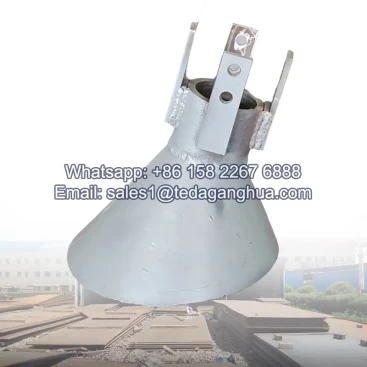
Mining and quarrying equipment (chutes, hoppers, crushers)
-
Cement and power plant components (cyclones, fans, liners)
-
Steel industry machinery (sinter screens, transfer chutes)
-
Agricultural and construction machinery (buckets, blades)