High Chromium Carbide Overlay


High Chromium Carbide Overlay and low-chromium overlay systems are both widely used in wear-resistant engineering, but they serve different operational needs. High-chromium systems deliver superior hardness and abrasion resistance for extreme wear conditions, while low-chromium systems offer better toughness and impact resistance for mixed working environments. Proper selection ensures optimal performance, longer service life, and reduced maintenance costs in industrial applications.
- Description
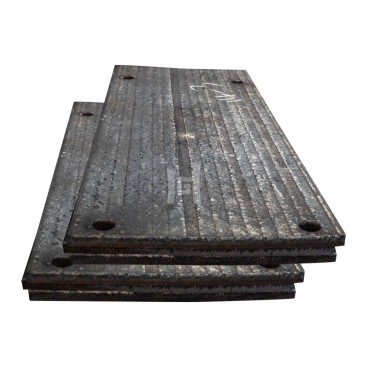
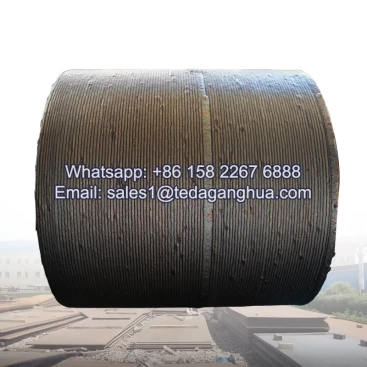
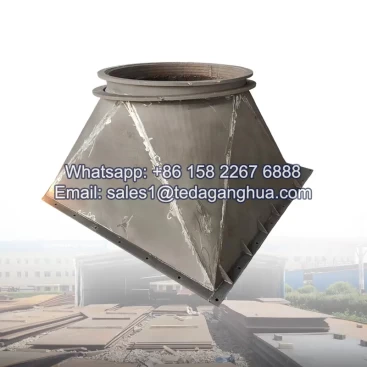
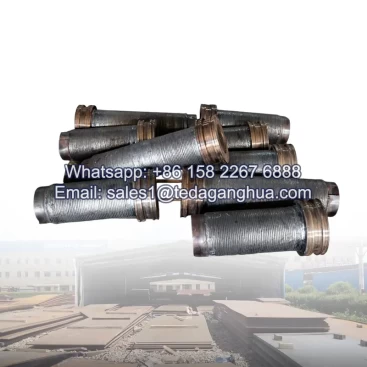
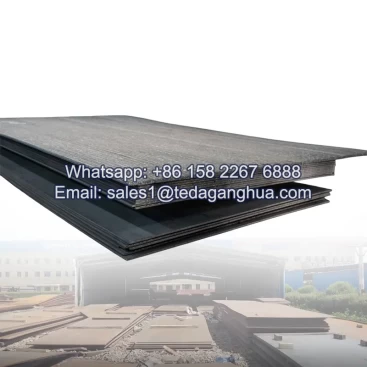
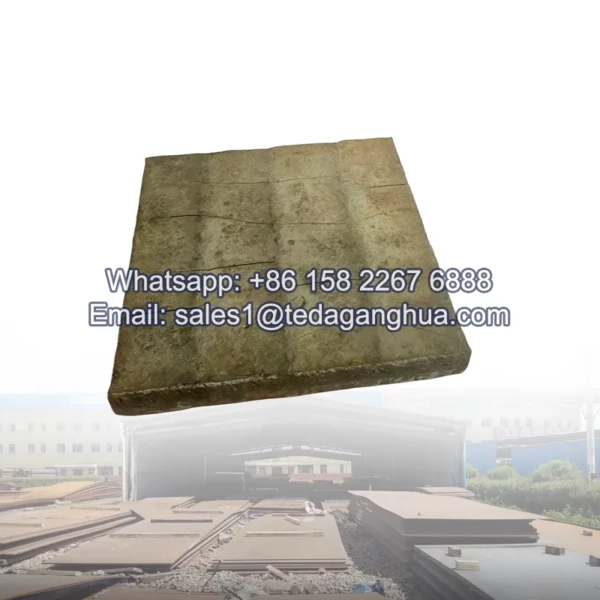
High Chromium Carbide Overlay (CrC Overlay) is a wear-resistant welding layer deposited onto a steel base plate to improve surface hardness and abrasion resistance. It is widely used in mining, cement, power generation, and bulk material handling industries. According to chromium content and carbide structure, overlay systems are generally divided into high-chromium overlay and low-chromium overlay.
These two systems differ significantly in composition, hardness, wear resistance mechanism, and application conditions.
Material Composition Difference
High-Chromium Carbide Overlay
High-chromium overlay contains a higher percentage of chromium, typically:
- Chromium (Cr): 25–35%
- Carbon (C): 3–5%
- Iron (Fe): Balance
- Minor elements: Mn, Si for weld stability
This composition promotes the formation of dense, hard carbide phases such as Cr₇C₃ and Cr₂₃C₆.
Low-Chromium Carbide Overlay
Low-chromium overlay has reduced chromium content:
- Chromium (Cr): 12–20%
- Carbon (C): 2–4%
- Iron (Fe): Balance
- Additional alloying elements may be used to balance toughness
The carbide formation is less dense compared to high-chromium systems.
Hardness and Microstructure Comparison
| Property | High-Chromium Overlay | Low-Chromium Overlay |
|---|---|---|
| Chromium Content | 25–35% | 12–20% |
| Carbide Density | High | Medium |
| Surface Hardness | 58–65 HRC | 50–58 HRC |
| Wear Resistance | Excellent | Moderate–High |
| Toughness | Medium | Higher |
High-chromium systems prioritize extreme hardness, while low-chromium systems balance hardness and toughness.
Wear Resistance Mechanism
High-Chromium Overlay
- Dense chromium carbide network
- Strong resistance to cutting and grinding wear
- Excellent performance under severe abrasion conditions
- Better suited for dry, high-impact particle environments
Low-Chromium Overlay
- Less carbide saturation
- Improved crack resistance and toughness
- Better performance under mixed impact and wear conditions
- Suitable for unstable or shock-heavy environments
Impact Resistance Comparison
| Feature | High-Chromium Overlay | Low-Chromium Overlay |
| Impact Resistance | Medium–Low | Medium–High |
| Crack Sensitivity | Higher | Lower |
| Structural Flexibility | Lower | Higher |
High-chromium systems may require more careful process control to avoid cracking under heavy impact.
Typical Application Differences
High-Chromium Carbide Overlay Applications
- Cement plant chutes and liners
- Mining transfer systems
- Coal handling equipment
- High-abrasion conveyor surfaces
- Dry particle erosion environments
Low-Chromium Carbide Overlay Applications
- Excavator buckets with impact load
- Dump truck liners
- Crusher components with mixed wear
- Material handling with variable particle size
- Shock-prone industrial equipment
Process and Fabrication Considerations
| Factor | High-Chromium | Low-Chromium |
| Welding Difficulty | Higher | Lower |
| Cracking Risk | Higher | Lower |
| Heat Control Requirement | Strict | Moderate |
| Cost Level | Higher | Lower |
High-chromium overlays require tighter control of heat input and cooling to maintain surface integrity.
Performance Summary
- High-chromium overlays provide maximum abrasion resistance for severe wear environments
- Low-chromium overlays provide a balanced combination of wear and impact resistance
- Selection depends on whether the application prioritizes hardness or toughness