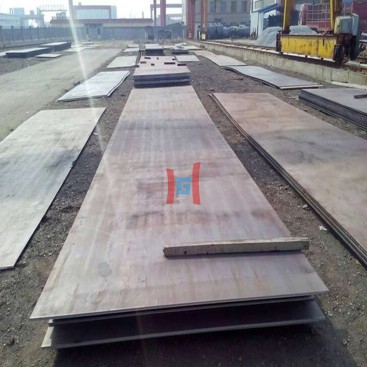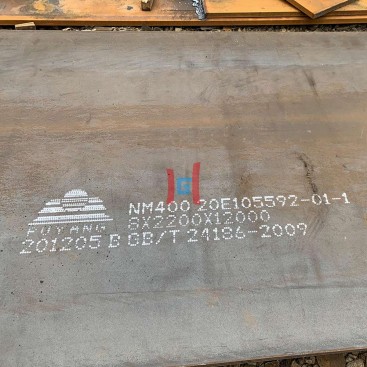

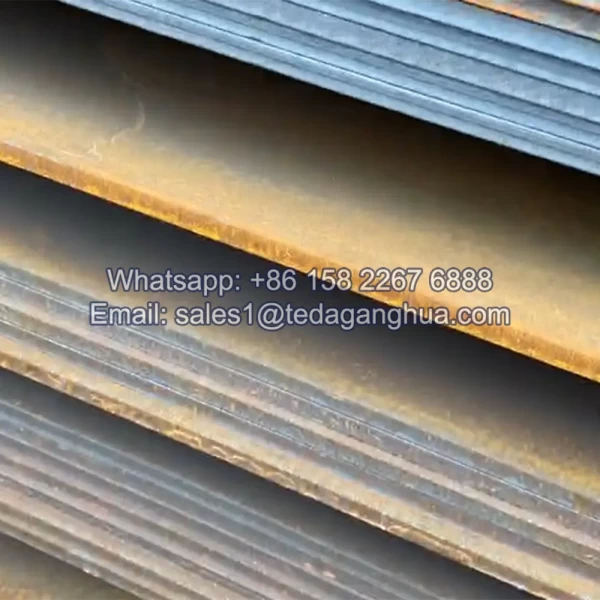
Xar 400 Steel


Xar 400 offers higher alloy strength, impact toughness and wear resistance, making it ideal for heavy-duty mining and quarry applications. NM400 provides sufficient performance for general industrial abrasion needs, with simpler composition and easier cost control.
If selecting a material for high-impact or extreme wear, Xar 400 is typically the stronger option. For moderate wear applications with budget consideration, NM400 is a reliable alternative.
- Description
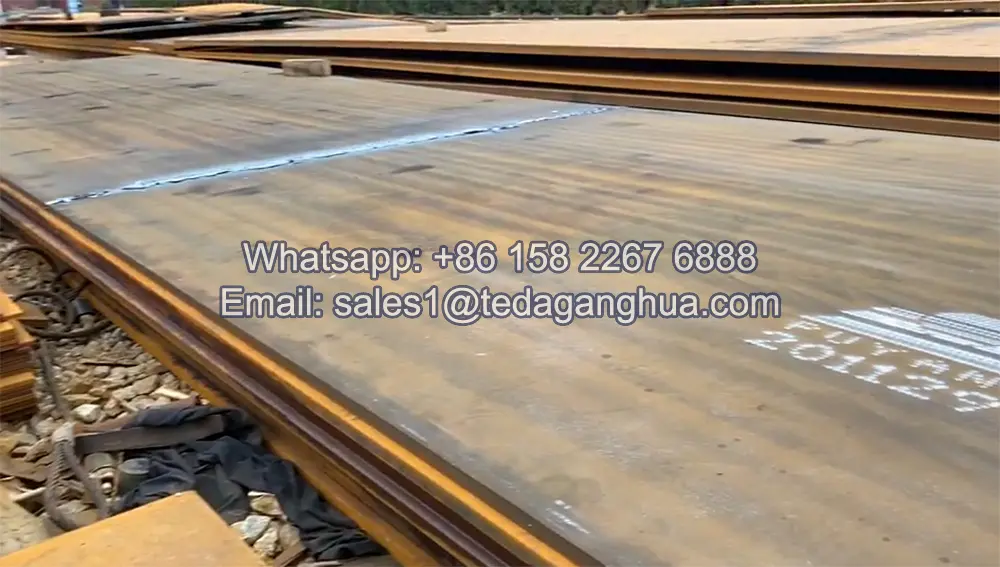
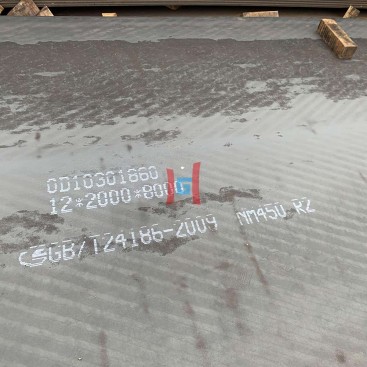
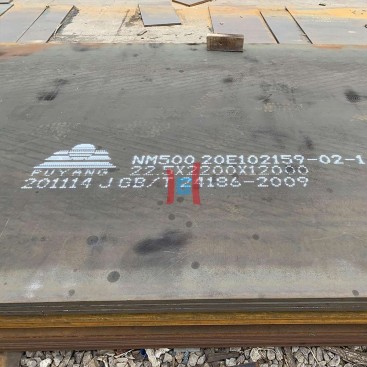
Xar 400 is a high-performance quenched and tempered (Q&T) wear-resistant steel designed for heavy-duty abrasion and impact working environments. It is widely used in mining equipment, heavy machinery, truck bodies, quarrying, and loading machines. NM400 is also a widely used wear-resistant steel grade, particularly common in Asian industrial applications.
While both Xar 400 and NM400 are classified as 400 HB hardness grades, they differ in chemical composition, performance stability, toughness, and processing characteristics.
Key Characteristics of Xar 400
-
Nominal hardness of ~400 HB
-
High toughness and resistance to crack propagation
-
Good bending, cutting, and welding performance
-
Consistent mechanical stability due to strict alloy control
-
Suitable for heavy abrasion combined with strong impact loading
Xar 400 vs NM400 – Composition and Performance Comparison
Chemical Composition Comparison (Typical Values)
| Grade | C (%) | Mn (%) | Cr (%) | Ni (%) | Mo (%) | B (%) |
|---|---|---|---|---|---|---|
| Xar 400 | 0.20–0.25 | 1.0–1.6 | 0.5–1.5 | 0–1.0 | 0.3–0.6 | ≤0.005 |
| NM400 | 0.15–0.26 | 1.0–1.6 | 0.3–0.7 | — | — | — |
Values shown are typical ranges for comparison; actual composition varies by production specification.
Performance Comparison Table
| Property | Xar 400 | NM400 |
|---|---|---|
| Hardness (HB) | 370–430 | 360–430 |
| Yield Strength | >1000 MPa | 900–1000 MPa |
| Impact Toughness | Very High | Medium to High |
| Abrasion Resistance | Excellent | Good |
| Crack & Break Resistance | Better at high impact | Moderate |
| Welding Performance | Good with control | Good |
| Bending / Forming | Better cold bending capability | Standard |
| Service Life in Extreme Wear | Longer and more stable | Moderate |
Key Differences Between Xar 400 and NM400
1. Alloy Design
Xar 400 includes additional alloying elements such as chromium, molybdenum and nickel, which significantly improve:
-
Hardenability and wear resistance
-
Toughness and crack resistance
-
Performance stability during machining and welding
NM400 has a simpler alloy system, making it more cost-efficient but slightly lower in impact durability.
2. Service Performance
-
Xar 400 performs better in environments with extremely high wear and repeated impact, such as chute liners and crusher components.
-
NM400 is suitable for general abrasion with moderate impact, such as truck bodies and buckets.
3. Processing Behavior
Xar 400 is easier to cold form without cracking due to higher toughness. NM400 may require more processing control.
Typical Applications
Xar 400
-
Dump truck and mining truck bodies
-
Crusher liners and chute plates
-
Excavator and loader bucket components
-
Hammer mills and shredders
-
Conveyor scrapers and wear bars
NM400
-
Construction machinery bodies
-
Bucket side panels and blades
-
Transportation and engineering wear parts
-
Plate structural parts with moderate impact