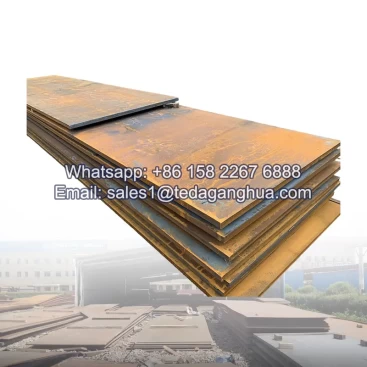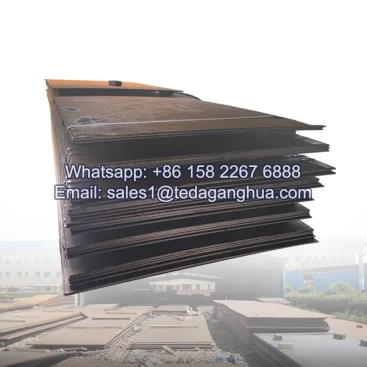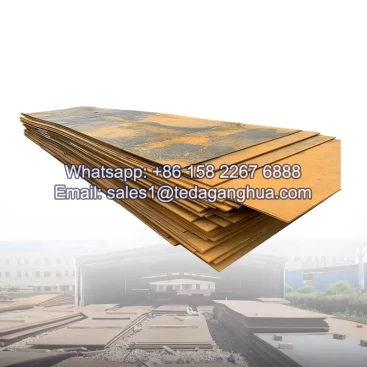
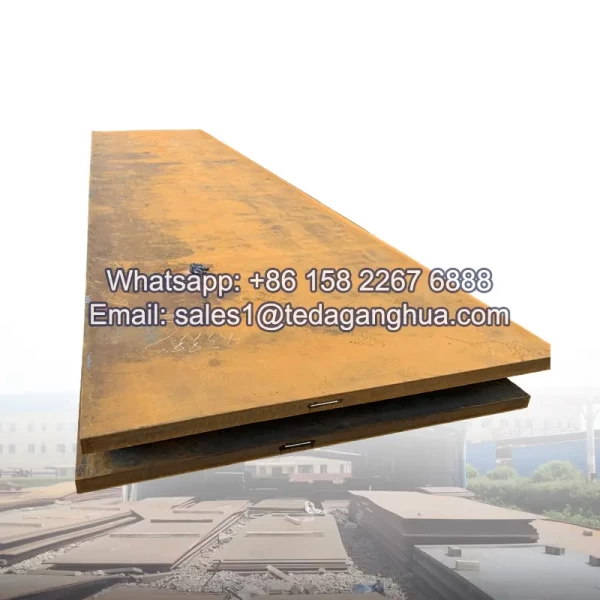
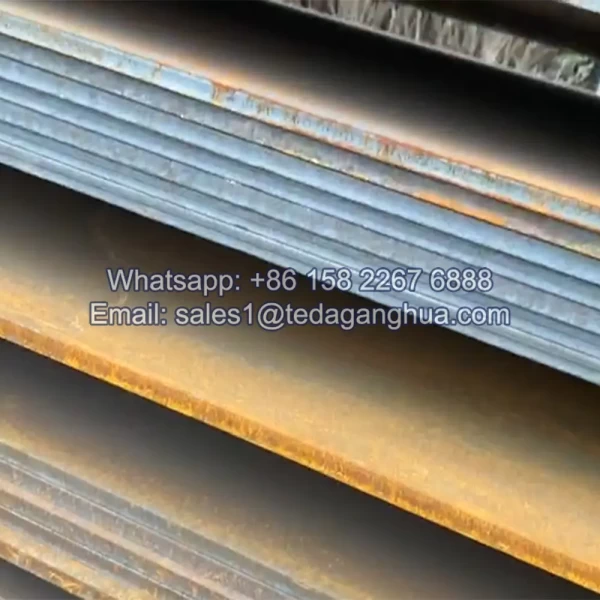
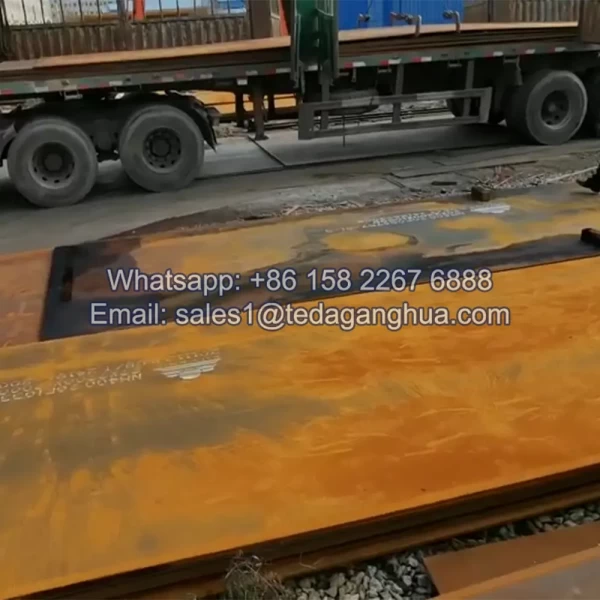
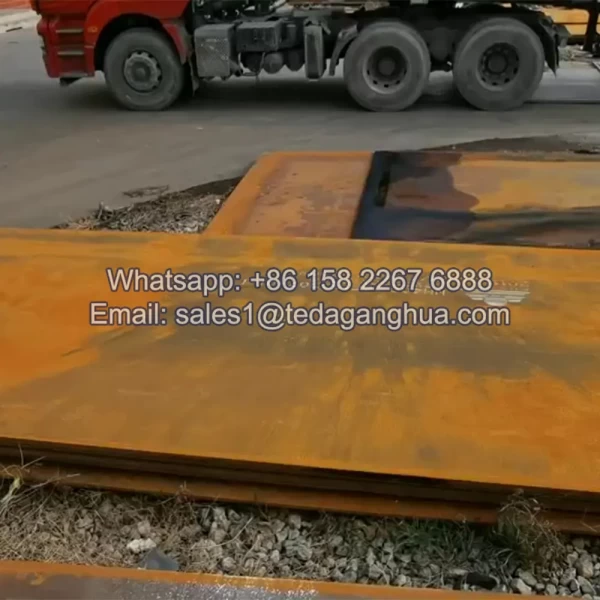
Weld On Wear Plates
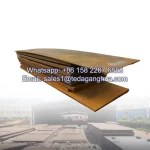
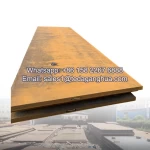
Weld-on wear plates are an essential solution for extending the lifespan of industrial machinery operating under extreme abrasion and impact conditions. By selecting the correct processing techniques for welding, cutting, bending and machining, users can achieve optimal service life and structural performance.
Proper fabrication plays a critical role in maximizing durability and preventing installation-related failures, especially with high-hardness and carbide overlay wear plates.
- Description
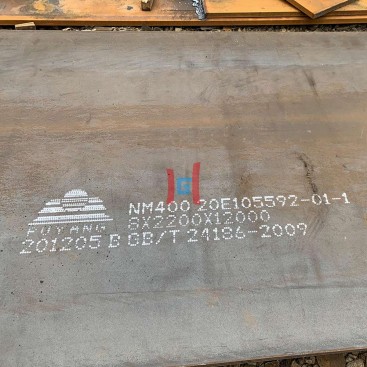
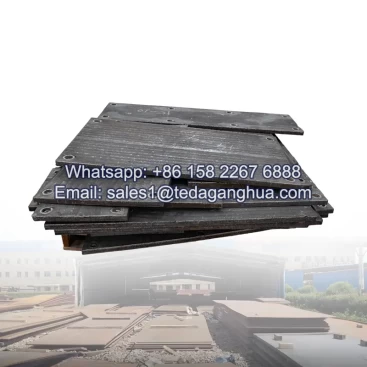
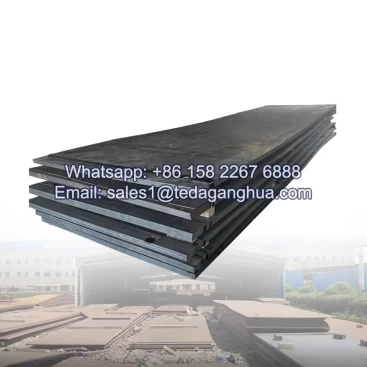
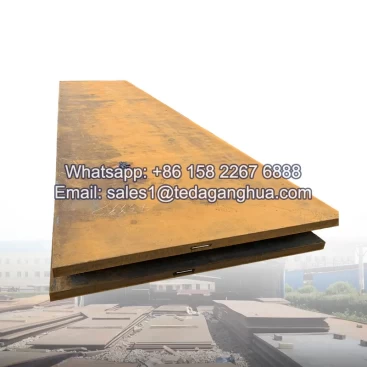
Weld-on wear plates are used to protect mining, quarrying, construction and industrial machinery from severe abrasion, impact and erosion. These plates are typically made from materials such as manganese steel, quenched & tempered steel (AR400 / AR500 type), chromium carbide overlay (CCO) plates, and hardfacing steel. They are welded directly onto high-wear surfaces to significantly extend equipment service life.
To ensure proper installation and performance, weld-on wear plates require specific processing and fabrication techniques, depending on the material hardness, thickness and structural application.
Common Processing Methods for Weld-On Wear Plates
1. Welding
Welding is the primary method for attaching wear plates onto machinery surfaces.
Typical Welding Methods
-
MMA / Stick Welding (SMAW)
-
MIG / MAG Welding (GMAW)
-
Flux-Cored Welding (FCAW)
-
Submerged Arc Welding (SAW) (for thicker plates or CCO plates)
Key Welding Considerations
-
Preheating may be required depending on hardness and thickness
-
Low hydrogen welding consumables recommended to prevent cracking
-
Manganese steel requires no post-weld heat treatment but work-hardens during service
-
Chromium carbide overlay plates are welded on substrate side only, not on carbide surface
2. Cutting
Wear plates can be cut using thermal or mechanical cutting processes.
| Cutting Method | Suitable Material | Notes |
|---|---|---|
| Plasma Cutting | AR steel, CCO | High precision, smooth finish |
| Laser Cutting | 400HB and below | Ideal for fine shapes |
| Oxy-Fuel Cutting | Thick high-strength plates | Preheat recommended |
| Water Jet Cutting | CCO plate, ceramics | No heat-affected zone |
3. Bending and Forming
Wear plates used in hoppers, chutes, pipes or buckets often require bending.
Bending Requirements
-
High-strength steels (AR400/AR500) require large bending radii
-
Preheating improves flexibility and reduces cracking risk
-
CCO plates should be bent with overlay facing outside
-
Manganese steel bends easily due to high ductility
4. Machining and Drilling
Wear plates can be drilled or machined, but may require special tools.
| Material Type | Machinability | Notes |
|---|---|---|
| Manganese Steel | Difficult | Work-hardens rapidly; carbide tools required |
| AR Steels | Moderate | Slow speed, high feed, coolant required |
| CCO Plate | Not machinable surface | Drill only through base plate |
| Ceramic Composites | Generally not drilled | Use mechanical fastening instead |
5. Hardfacing and Surface Overlaying
For repair applications, additional layers of wear protection can be welded directly on-site using hardfacing electrodes or wires.
Typical Hardfacing Solutions
-
Chromium carbide weld layer
-
Tungsten carbide hardfacing
-
Nickel-based impact-resistant overlay
Applications include rebuilding bucket edges, crusher teeth, and scraper blades.
Typical Industries Using Weld-On Wear Plates
-
Mining and quarry crushing equipment
-
Excavator, loader and bulldozer bucket protection
-
Chutes, hoppers and conveyor system liners
-
Dump truck bodies and dozer blades
-
Mixing and screening machinery
-
Recycling and metal shredding machines