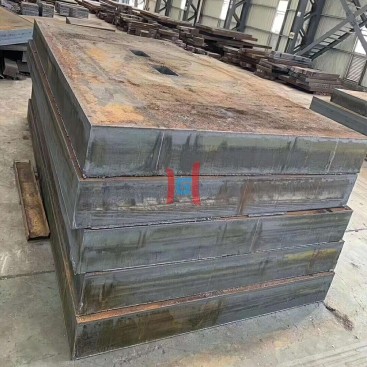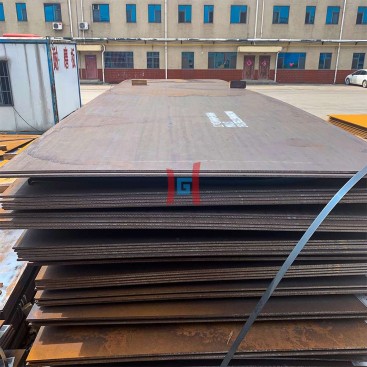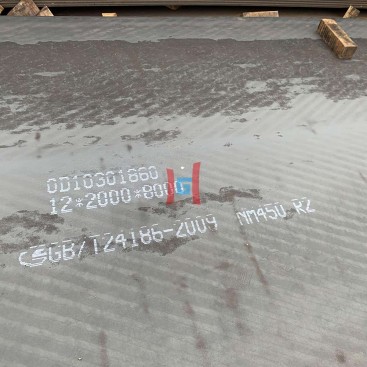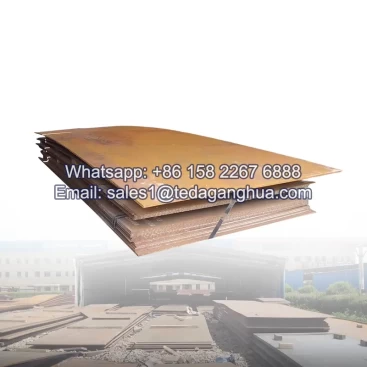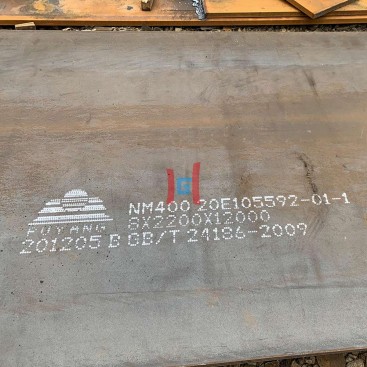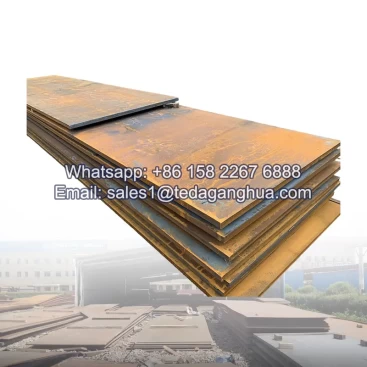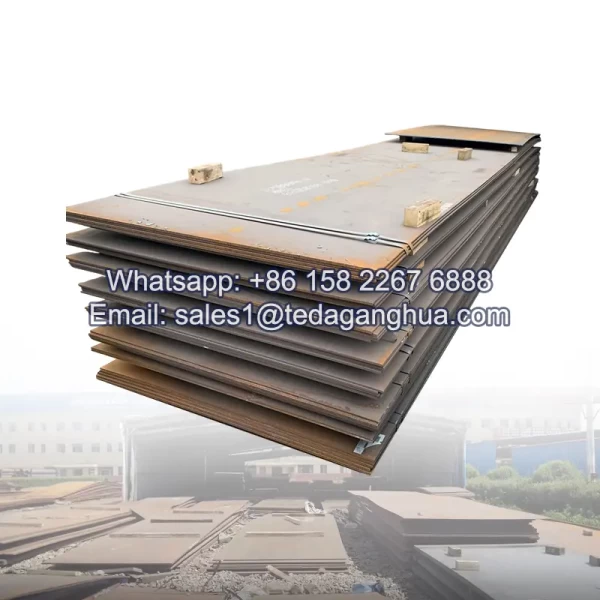
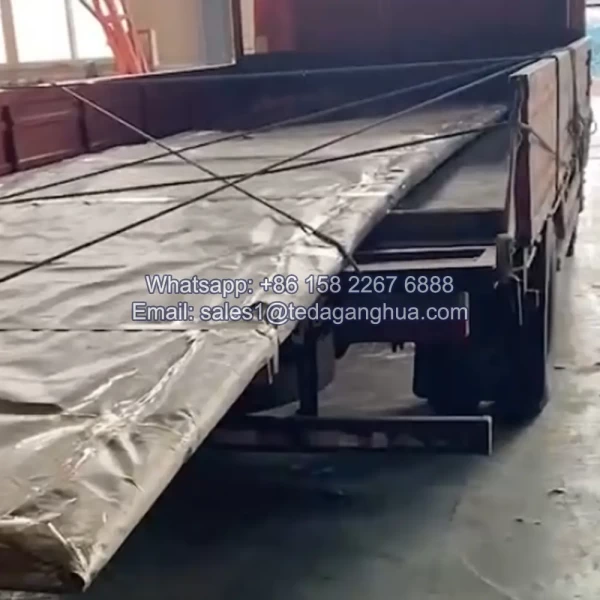
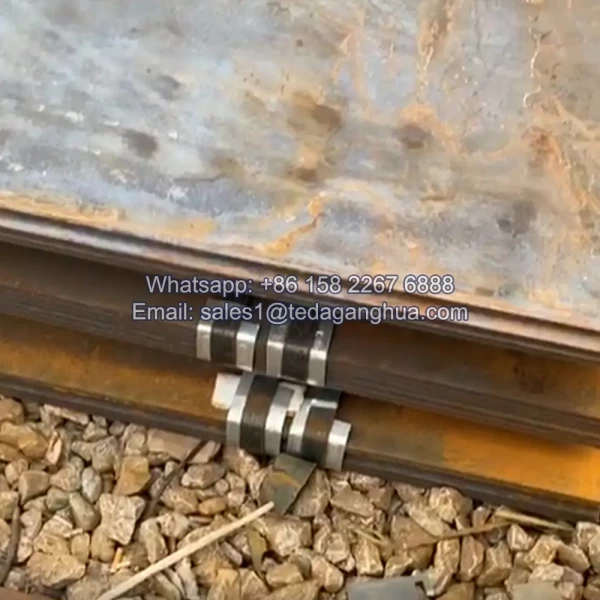
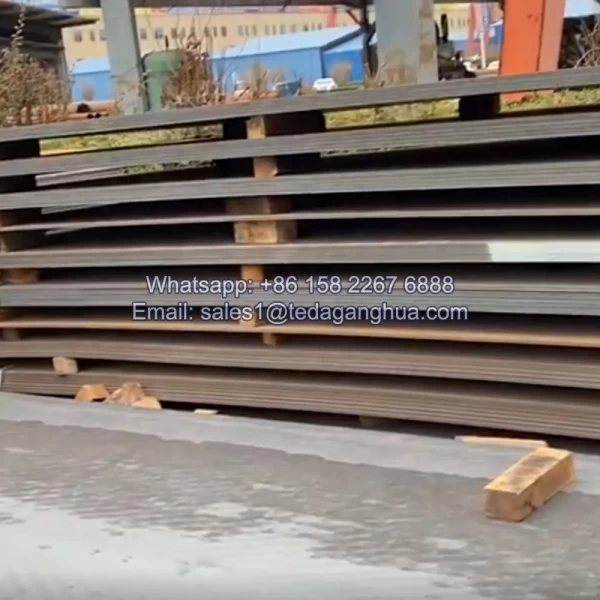
Abrasion Resistant Steel
Abrasion resistant steel combines hardness, strength, and toughness to achieve exceptional resistance to wear, extending the lifespan of industrial components.
By selecting the appropriate hardness level and balancing mechanical performance with process requirements, industries can reduce maintenance downtime, improve productivity, and lower operational costs.
- Description
Abrasion resistant (AR) steel is a high-strength steel specifically developed to withstand intensive wear, friction, and impact.
The material’s wear-resistant performance is achieved mainly through high surface hardness, uniform hardness through the thickness, and controlled alloying for toughness and strength balance.
These steels are commonly used in mining, construction, cement, and material handling equipment—where sliding, gouging, and impact abrasion occur continuously.
Main Wear-Resistant Properties
-
High Surface Hardness
-
Hardness levels typically range between 360 – 600 HBW (Brinell Hardness).
-
The higher the hardness, the greater the resistance to sliding abrasion and surface wear.
-
-
Good Toughness and Impact Strength
-
Even with high hardness, AR steel must retain enough toughness to resist cracking or breaking under dynamic load or impact.
-
-
Uniform Through-Thickness Hardness
-
The steel is heat-treated (quenched and tempered) so that hardness is not only on the surface but throughout the entire plate.
-
-
High Tensile and Yield Strength
-
Ensures the plate can bear deformation, load, and mechanical vibration without failure.
-
-
Alloy Optimization
-
Alloy elements such as carbon, manganese, chromium, molybdenum, and boron enhance hardenability and wear resistance.
-
-
Fabrication Adaptability
-
Despite high hardness, some grades are optimized for improved cutting, forming, and welding performance.
-
Typical Mechanical and Hardness Data
| Grade | Hardness (HBW) | Yield Strength (MPa) | Tensile Strength (MPa) | Impact Energy (J, –40 °C) | Main Application |
|---|---|---|---|---|---|
| AR360 / NM360 | 320 – 380 | 900 – 1100 | 1000 – 1200 | ≥ 30 | Construction machinery, truck bodies |
| AR400 / NM400 | 360 – 440 | 1000 – 1250 | 1200 – 1400 | ≥ 27 | Buckets, dump truck liners, conveyors |
| AR450 / NM450 | 420 – 480 | 1100 – 1350 | 1250 – 1500 | ≥ 25 | Crushers, hoppers, feeders |
| AR500 / NM500 | 470 – 540 | 1200 – 1400 | 1400 – 1700 | ≥ 20 | Mining equipment, chutes, impact zones |
| AR550 / NM550 | 520 – 580 | 1300 – 1500 | 1500 – 1750 | ≥ 18 | High-wear pipelines, blades |
| AR600 | 560 – 620 | 1350 – 1600 | 1600 – 1850 | ≥ 15 | Severe abrasion environments |
Values are nominal averages; actual performance depends on plate thickness, heat treatment, and manufacturer process.
Explanation of the Data
-
Hardness vs. Wear Life:
Every 50 HBW increase in hardness can extend wear life by approximately 15–25%, depending on the abrasion type and load condition. -
Toughness Balance:
Although AR500 and AR600 offer better wear protection, they have lower toughness and formability than AR400, which is more suitable for fabrication-intensive applications. -
Impact Energy:
Higher impact energy indicates better ability to absorb shock. Grades like AR360 and AR400 are commonly used in situations combining wear and impact (e.g., loaders and dump trucks). -
Structural Strength:
With yield strengths above 1000 MPa, these plates can also serve as structural components, not just surface liners.
Practical Insights
-
Sliding abrasion (fine particles) → Choose higher hardness grades like AR500–AR600.
-
Impact abrasion (rocks, heavy material) → Use balanced grades like AR400–AR450 for better toughness.
-
Mixed wear conditions → NM400 or AR450 is the most widely used compromise grade.
-
Ease of welding and forming → Lower hardness (AR360–AR400) performs better during fabrication.
-
-

-
-

-