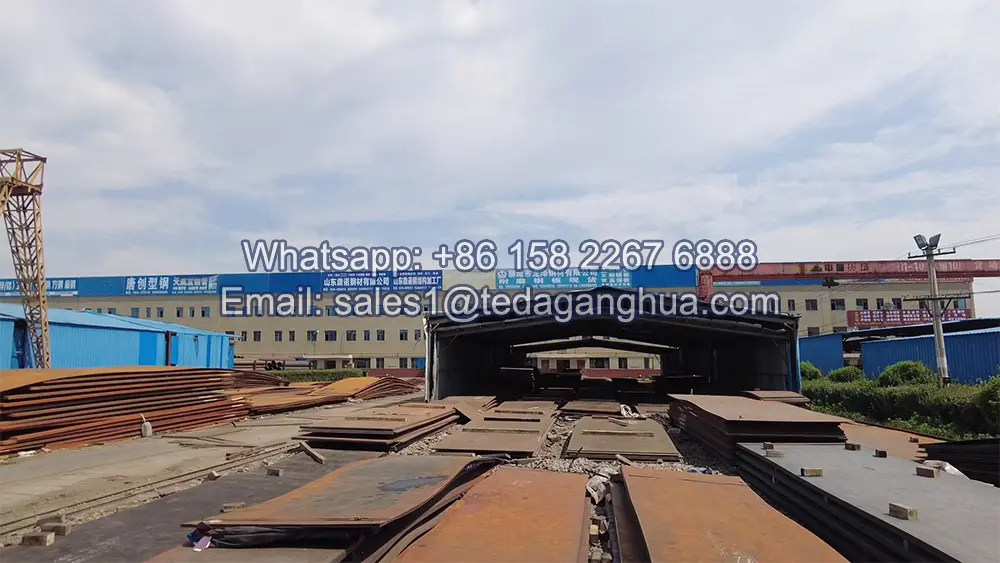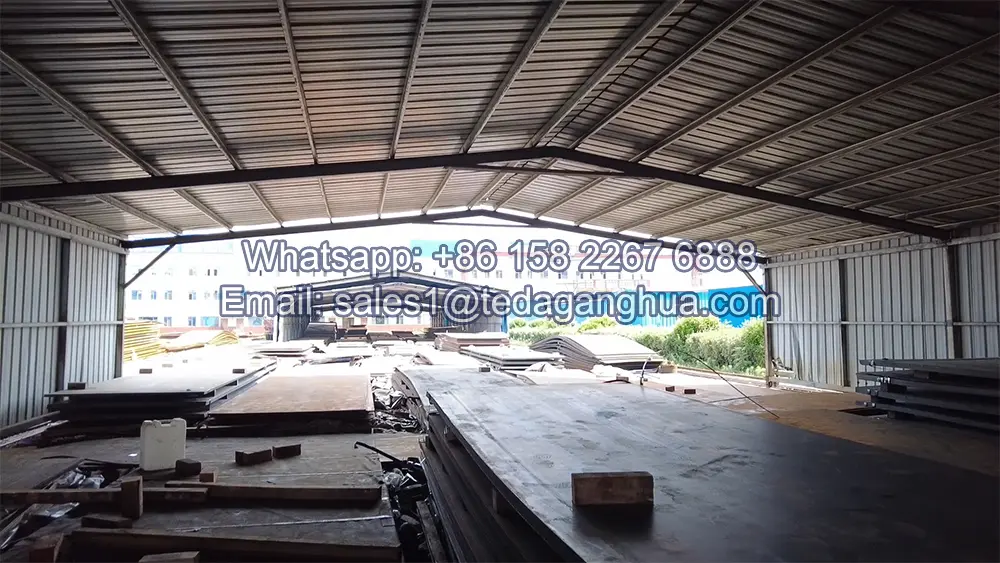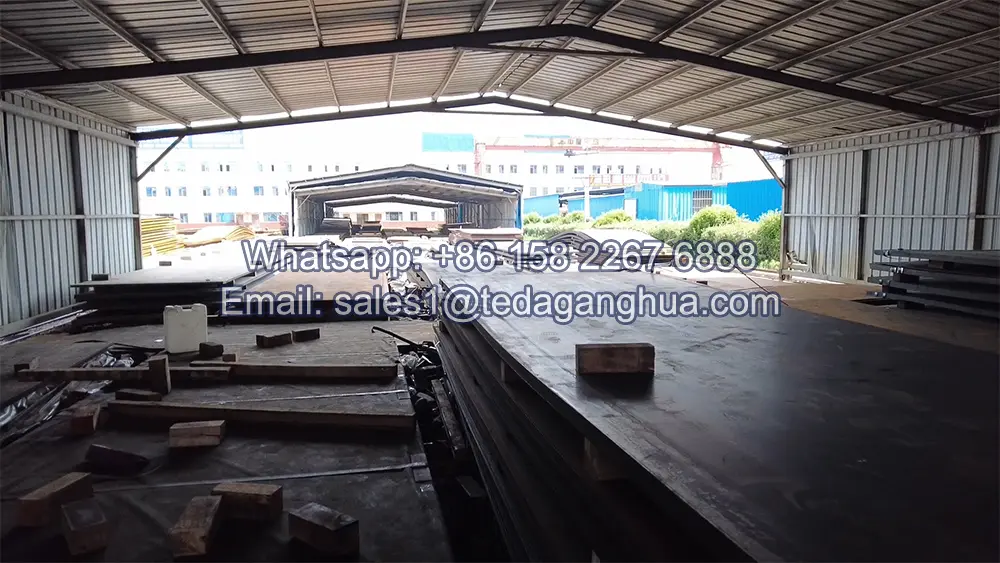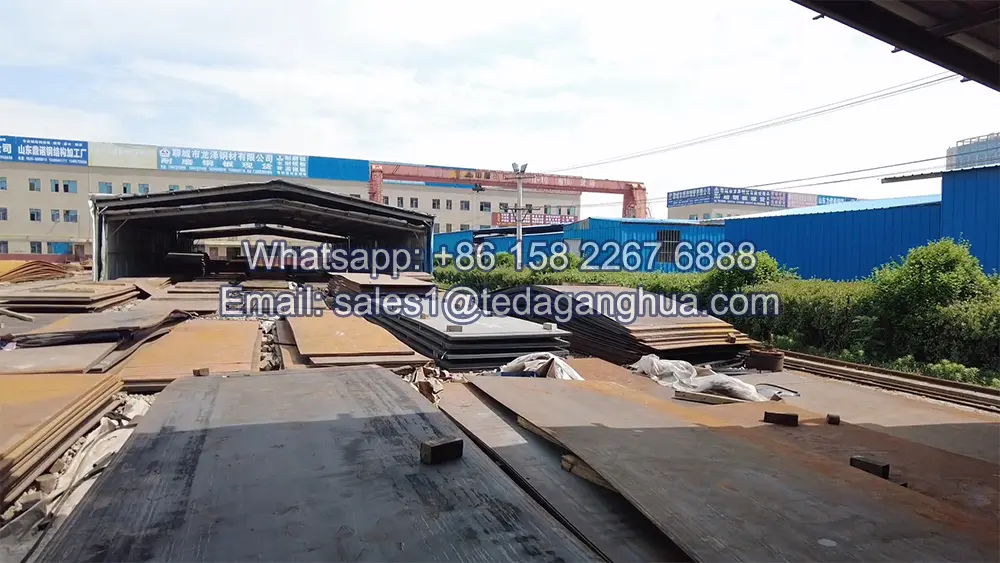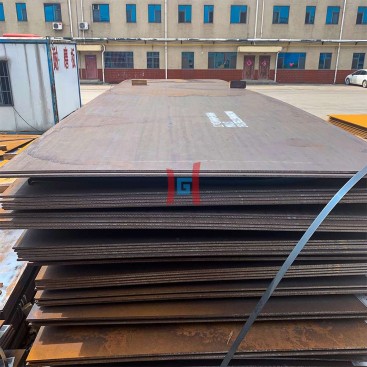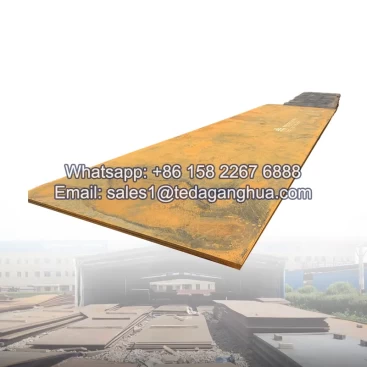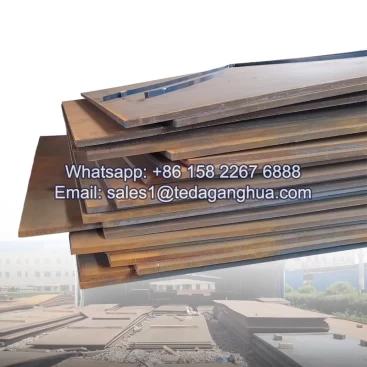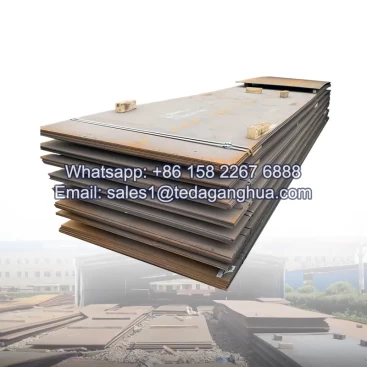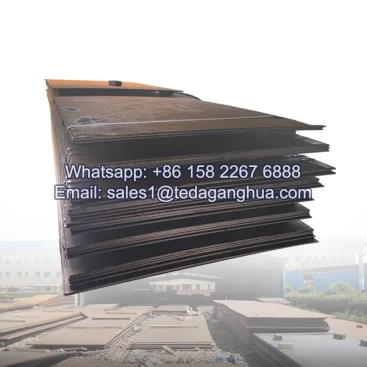
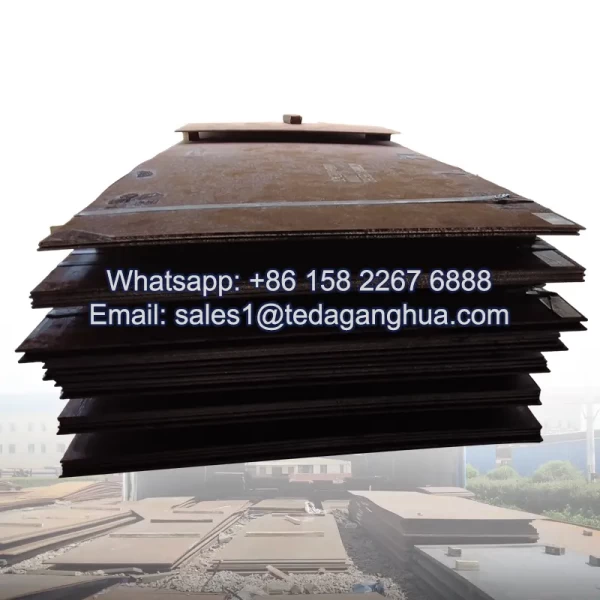
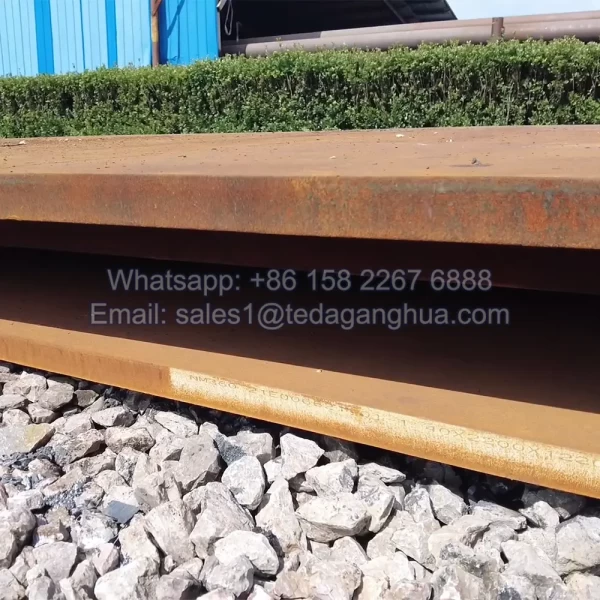
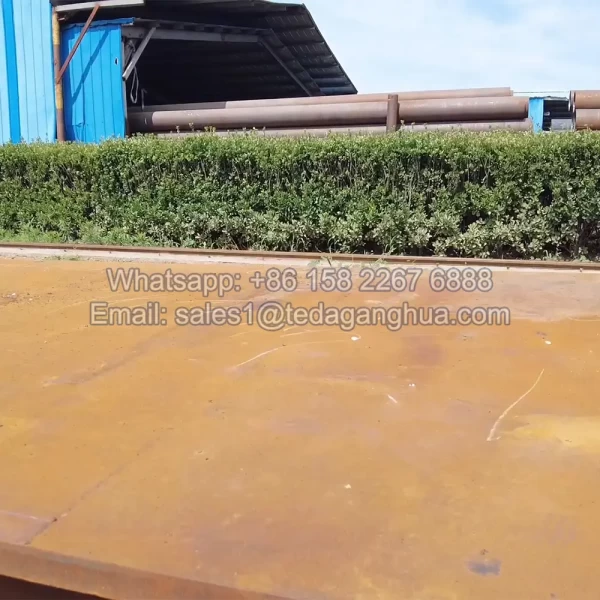
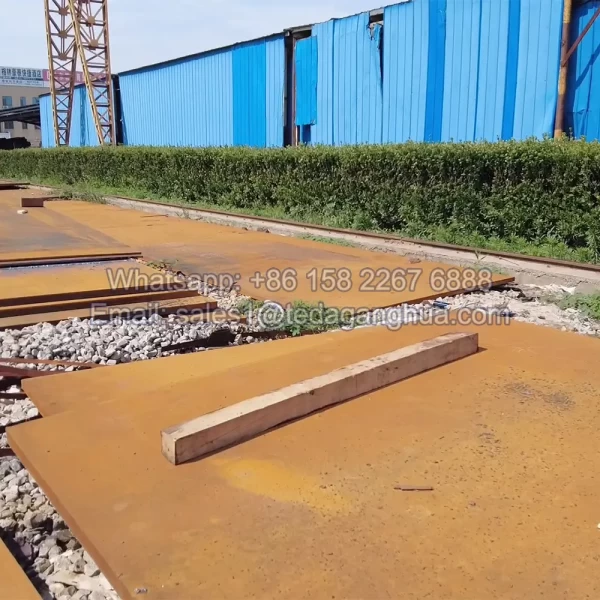
Ar400 Plates

-
AR400 and NM400 are functionally equivalent, offering excellent abrasion resistance, hardness, and toughness.
-
The price difference is mainly influenced by origin, brand, alloy content, processing, and market conditions.
-
For industrial users seeking cost-effective solutions without compromising performance, NM400 is an excellent alternative to AR400.
- Description
AR400 plates are high-hardness, abrasion-resistant steel widely used in mining, construction, cement, and heavy machinery industries.
In China, the closest equivalent is NM400, which is produced according to GB/T 24186 standards.
While both grades serve similar purposes, there are subtle differences in composition, mechanical properties, and market factors, which also affect their price.
1. Chemical Composition Comparison
| Grade | C (%) | Mn (%) | Cr (%) | Mo (%) | Other Elements |
|---|---|---|---|---|---|
| AR400 | 0.20–0.25 | 1.2–1.5 | 0.8–1.2 | 0.2–0.3 | Ni ~0.3 |
| NM400 | 0.18–0.22 | 1.2–1.5 | 0.8–1.1 | 0.15–0.25 | — |
Observations:
-
Both grades are carbon-manganese-chromium steels.
-
AR400 may include slightly higher alloy content and nickel for imported quality standards.
-
NM400 meets GB/T 24186 specifications, ensuring similar wear resistance and hardness.
2. Mechanical Properties Comparison
| Grade | Hardness (HB) | Tensile Strength (MPa) | Yield Strength (MPa) | Impact Toughness (J) |
|---|---|---|---|---|
| AR400 | 400 ± 20 | 850–950 | 550–700 | 25–35 |
| NM400 | 400 ± 20 | 850–950 | 550–700 | 25–35 |
Key Points:
-
Hardness, tensile strength, and yield strength are very similar.
-
Both are suitable for abrasive, high-wear industrial applications.
-
Differences mainly stem from brand, origin, and production control standards.
3. Factors Affecting Price
-
Origin and Brand Premium
-
Imported AR400 plates often cost more due to shipping, certification, and brand reputation.
-
NM400, produced in China, is more cost-effective.
-
-
Raw Material and Alloy Content
-
Higher alloy content (Cr, Ni, Mo) increases the price.
-
AR400 may have slightly higher alloy content, contributing to higher cost.
-
-
Processing and Supply
-
Cutting, welding, and heat treatment add costs.
-
Large thicknesses and custom sizes can increase pricing.
-
-
Market Demand and Steel Prices
-
Prices fluctuate with global steel market conditions and raw material costs.
-
4. Applications
| Industry | Typical Components |
|---|---|
| Mining & Quarrying | Crusher liners, bucket liners, hoppers |
| Cement & Construction | Mixer blades, feed chutes, conveyor liners |
| Metallurgy | Furnace liners, chutes, hoppers |
| Heavy Equipment | Excavator buckets, dump truck bodies |