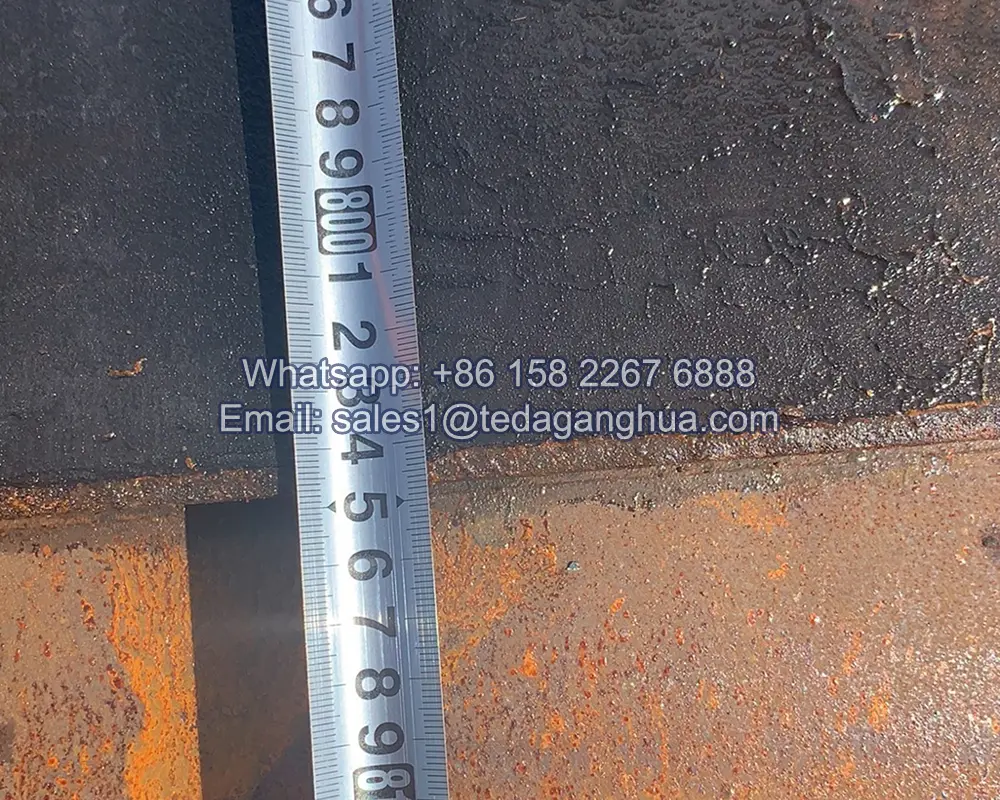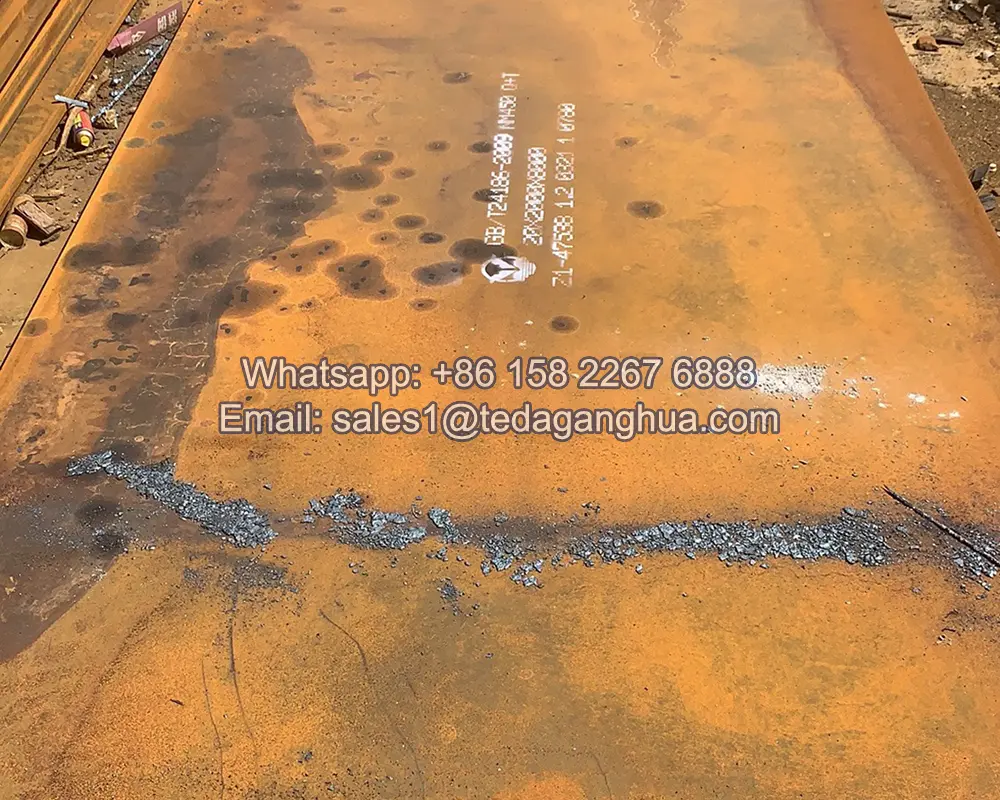
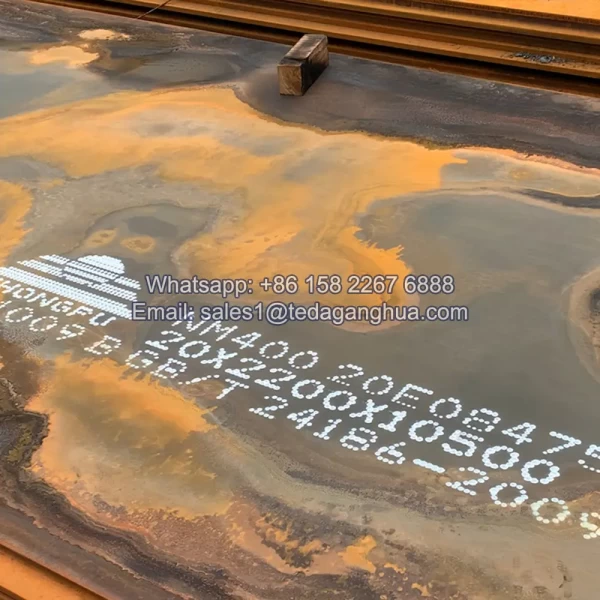
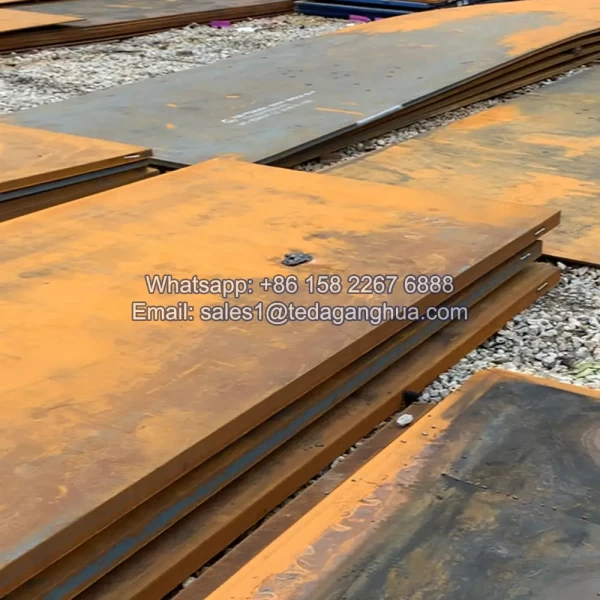
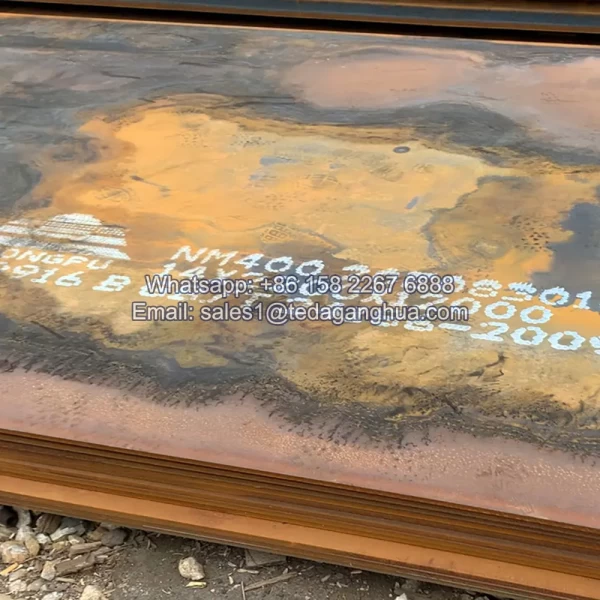
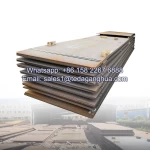
Ar Plate Steel
| Comparison Aspect | Chinese NM Plate | Foreign AR Plate |
|---|---|---|
| Standard System | GB/T 24186 | ASTM / EN |
| Naming Principle | NM + Hardness (HBW) | AR + Hardness (HBW) |
| Hardness Range | 360–550 HB | 360–600 HB |
| Toughness & Formability | Higher | Moderate |
| Dimensional Tolerance | Slightly wider | More precise |
| Weldability | Easier | Requires strict control |
| Cost Efficiency | High | Moderate to high |
| Performance Consistency | Good | Excellent |
In conclusion, both NM and AR plate steels serve the same functional purpose—resisting abrasion and impact in heavy-duty environments.
Chinese NM wear plates are valued for their balanced cost, toughness, and processability, making them suitable for general and medium-duty wear applications.
Foreign AR grades offer more consistent mechanical performance and tighter hardness control, preferred in high-performance or safety-critical industries.
- Description
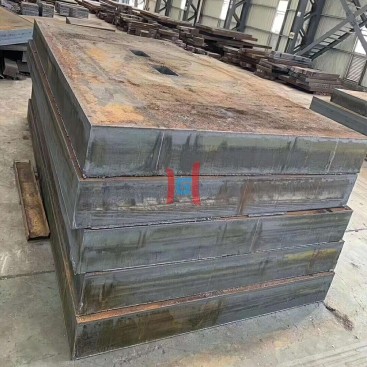
AR plate steel (Abrasion Resistant steel plate) is a type of high-strength, wear-resistant steel designed to perform under conditions of heavy abrasion, sliding wear, and impact. It is widely used in mining equipment, construction machinery, transportation systems, and material handling applications.
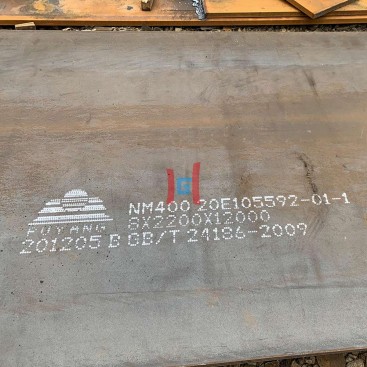
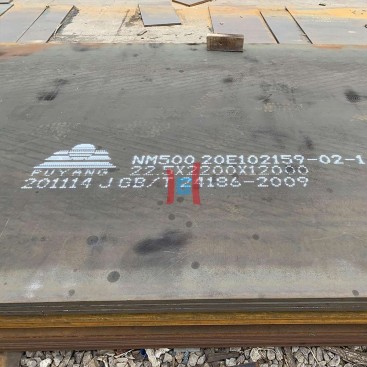
Around the world, AR steel is classified under different systems and standards. In China, the NM series (for example, NM360, NM400, NM500) is the most common standard. In other regions such as Europe and North America, the most common grades are AR400, AR450, AR500, and AR600, among others.
Although they share similar purposes, these grades differ in terms of standard systems, chemical composition, hardness range, mechanical performance, and fabrication properties.
1. Standard Systems and Designations
| Region | Common Grades | Main Standard |
|---|---|---|
| China | NM360, NM400, NM450, NM500, NM550 | GB/T 24186 (Wear-Resistant Steel Plate Standard) |
| Europe / USA | AR400, AR450, AR500, AR600 | ASTM, EN, or proprietary wear-resistant plate standards |
NM stands for “Nai Mo” (耐磨) in Chinese, meaning “wear-resistant.”
AR stands for “Abrasion Resistant.”
Although both systems indicate similar hardness levels (the numbers roughly correspond to Brinell hardness), the testing methods and tolerance ranges differ slightly, so the grades are not always interchangeable.
2. Chemical Composition
Chinese NM series plates typically have a carbon content of 0.18–0.30% and alloying elements such as Mn, Cr, Mo, and Ni to improve hardenability and toughness.
Foreign AR plates, depending on the producer and standard, may include optimized microalloying with Boron (B) or Vanadium (V) for enhanced wear resistance and welding performance.
| Element | Chinese NM Series | Foreign AR Series |
|---|---|---|
| Carbon (C) | Medium (0.18–0.30%) | Medium to high (0.20–0.32%) |
| Manganese (Mn) | 1.0–1.6% | 0.8–1.6% |
| Chromium (Cr) | 0.3–1.5% | 0.3–1.0% |
| Molybdenum (Mo) | Optional | Often included |
| Boron (B) | Rare | Frequently used in AR grades |
Foreign AR plates often rely on precision alloying and microstructure control, while Chinese NM plates focus on balance between strength, hardness, and cost efficiency.
3. Hardness and Mechanical Properties
Both AR and NM grades use the numeric designation to represent approximate Brinell Hardness (HBW). However, differences exist in the exact hardness range and mechanical properties.
| Grade | Hardness (HBW) | Typical Tensile Strength (MPa) | Impact Energy (J, -40°C) |
|---|---|---|---|
| NM360 | 360 ± 30 | 900–1100 | ≥30 |
| NM400 | 400 ± 30 | 1200–1400 | ≥27 |
| NM500 | 500 ± 30 | 1500–1700 | ≥20 |
| AR400 | 360–440 | 1100–1250 | ≥20 |
| AR500 | 470–540 | 1450–1700 | ≥15 |
In general:
-
Chinese NM plates have slightly wider hardness tolerance and better impact toughness, making them easier to process (cut, weld, and form).
-
Foreign AR plates are more uniform in hardness and wear resistance, with tighter quality control for consistent performance in extreme environments.
4. Processing and Welding Differences
Chinese NM plates are often designed for easier fabrication, especially in applications requiring frequent cutting, bending, or welding.
Foreign AR grades, due to higher alloying and tighter hardness control, may have more stringent welding requirements, including preheating and specific filler metal recommendations.
| Property | Chinese NM Series | Foreign AR Series |
|---|---|---|
| Cutting | Good machinability | Requires high-quality tools |
| Bending/Forming | Easier, lower springback | Requires higher force |
| Welding | More tolerant to heat input | Needs controlled welding procedure |
| Surface Finish | Standard mill finish | Often smoother, refined surface |
5. Application Comparison
| Industry | Common Chinese Grades | Common Foreign Grades |
|---|---|---|
| Mining and Quarrying | NM400, NM500 | AR450, AR500 |
| Construction Machinery | NM360, NM400 | AR400 |
| Cement and Aggregate | NM400 | AR450 |
| Transportation Equipment | NM500, NM550 | AR500, AR600 |
Both systems serve the same industries, but NM plates are more cost-efficient and widely available in Asian markets, while AR plates dominate in Europe, North America, and regions with high-quality certification requirements.