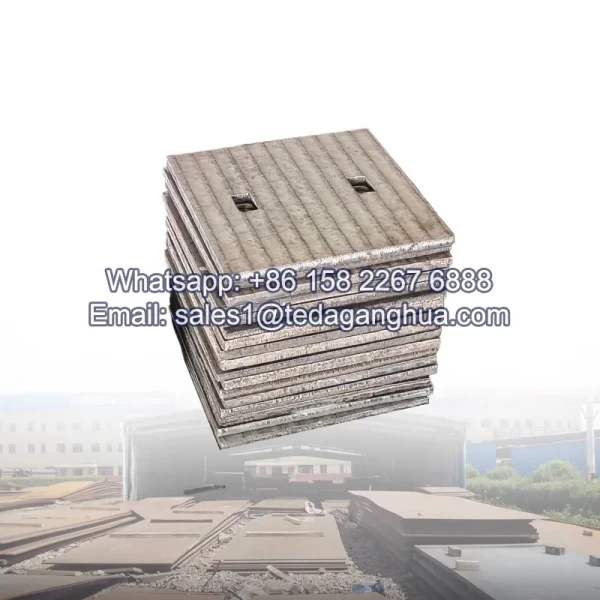
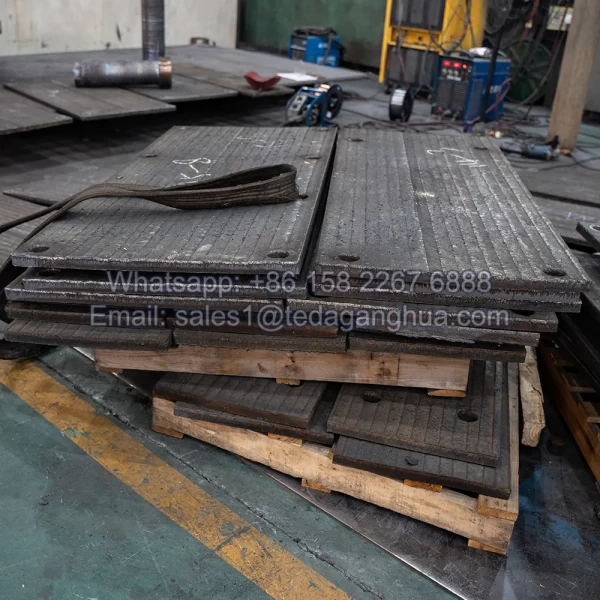
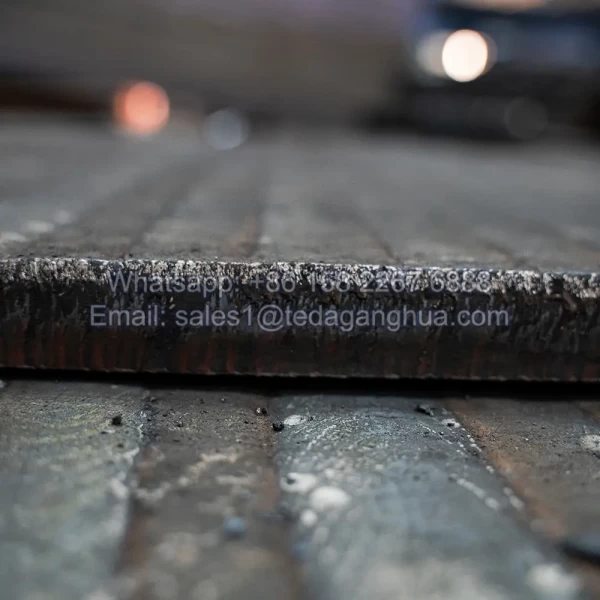
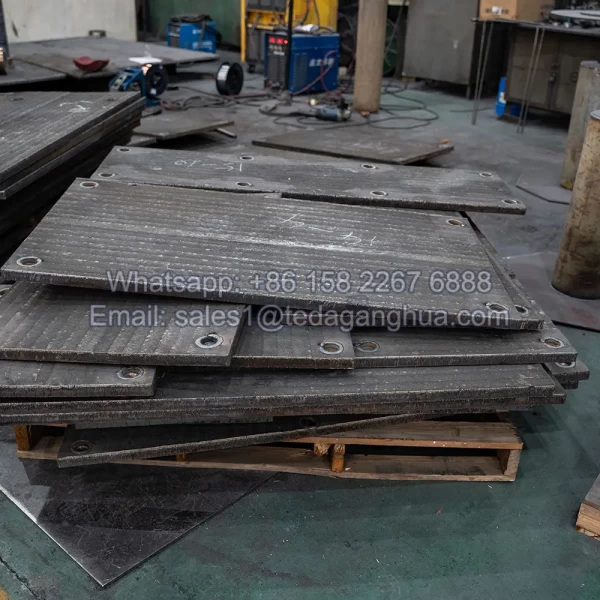
Chromium Carbide in Stainless Steel


If your application involves abrasion plus heat or corrosion, chromium carbide in stainless steel is the more stable and cost-effective choice.
If you need maximum hardness and short-term performance, tungsten carbide coatings deliver the strongest wear protection.
- Description
In wear-resistant stainless steel materials, Chromium Carbide (Cr₃C₂) and Tungsten Carbide (WC) are two of the most commonly used hard particles for surface strengthening. Both are designed to create a carbide-rich surface that improves hardness, abrasion resistance, and service life.
However, their performance in terms of wear rate, heat stability, and service duration differs significantly. Understanding these differences helps engineers and manufacturers choose the best carbide for specific working conditions.
1. Chromium Carbide in Stainless Steel
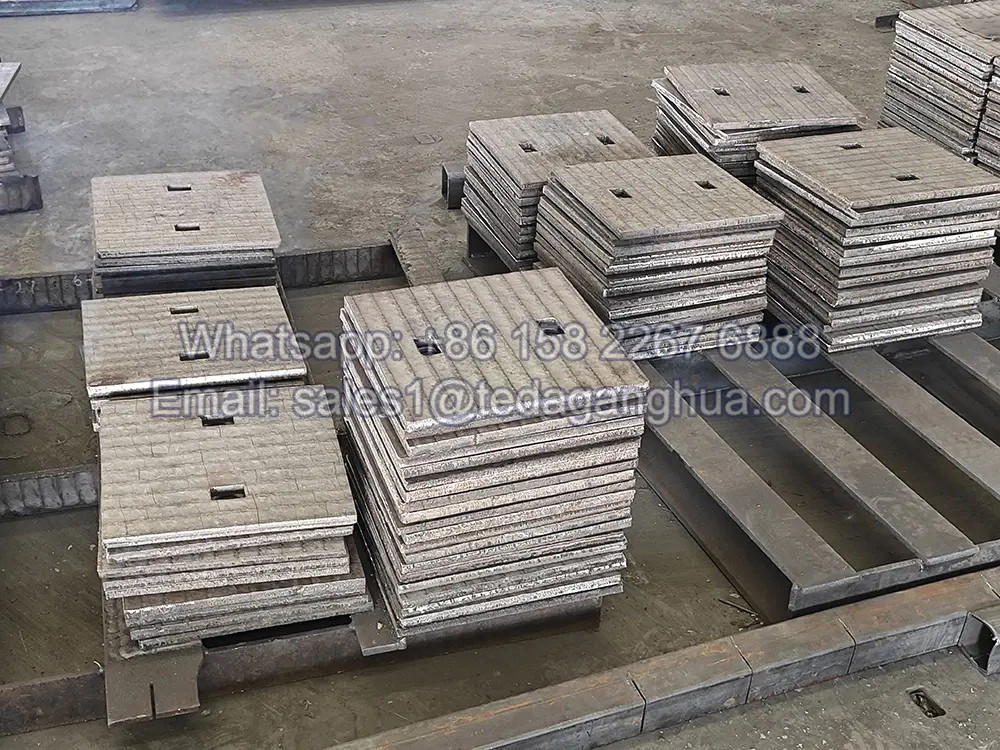
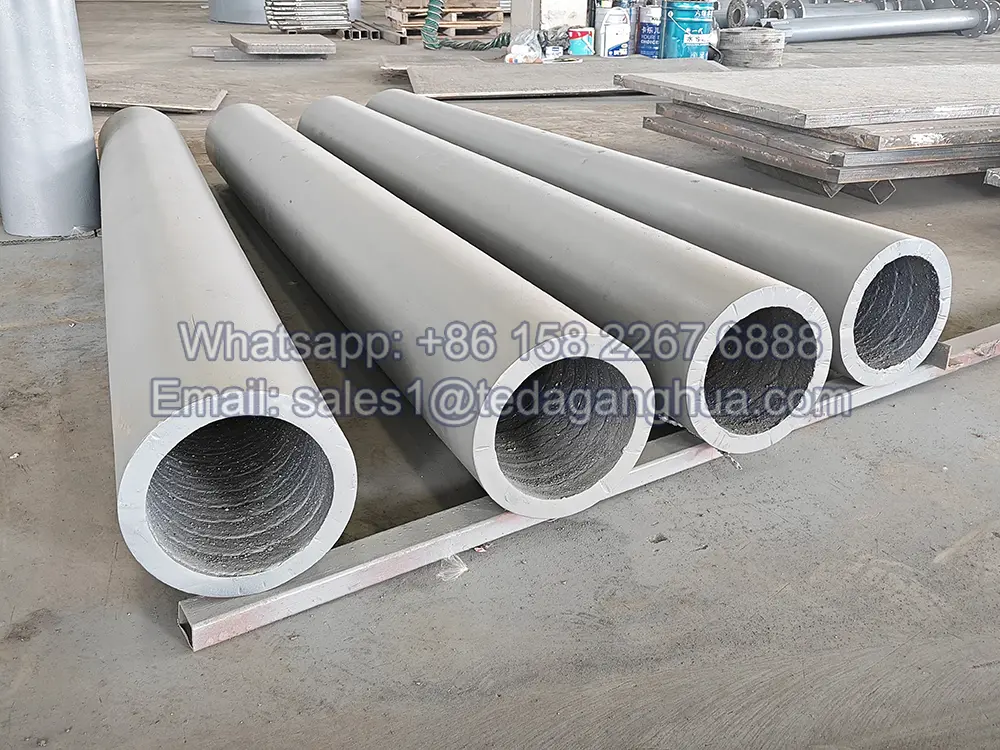
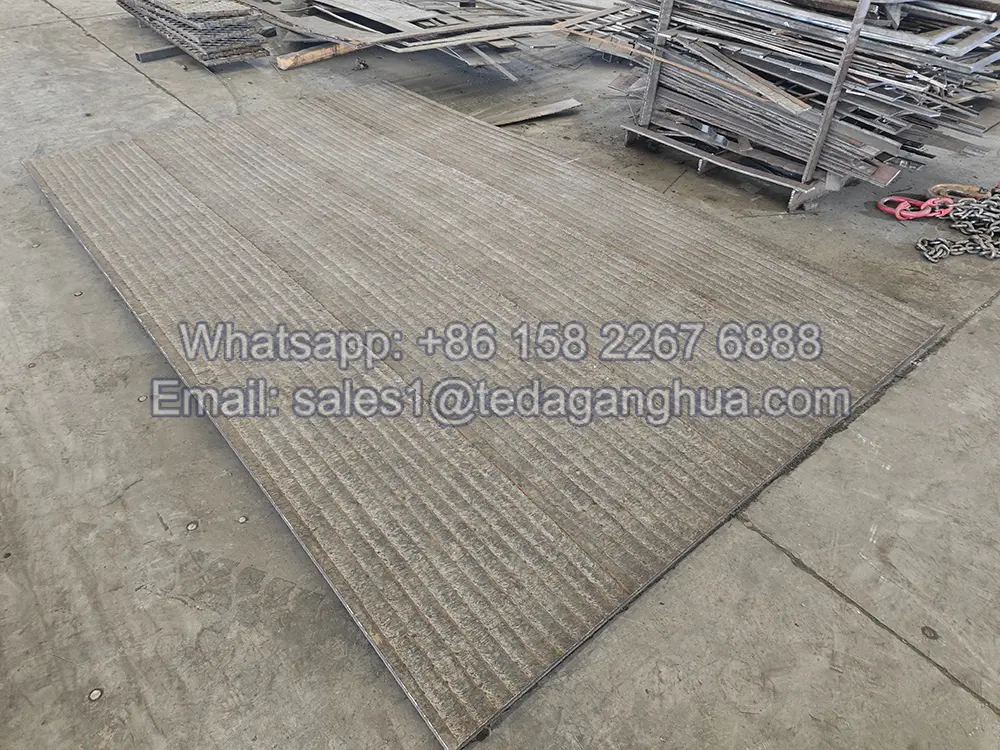
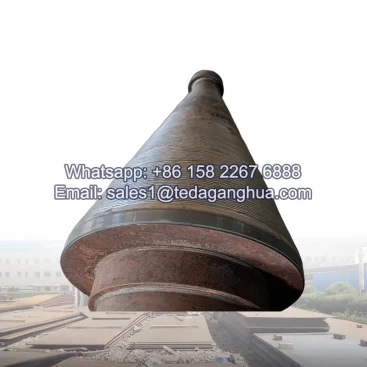
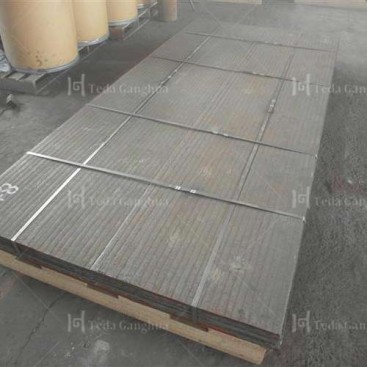
When chromium carbide is formed or applied within stainless steel (such as in overlay plates, weld cladding, or coatings), it provides a balance of wear resistance and corrosion resistance.
-
Typical hardness: 58–65 HRC (≈ 1050–1250 HV)
-
Working temperature range: up to 800 °C
-
Bonding: metallurgical fusion with stainless steel substrate
-
Wear mechanism: gradual abrasion of carbides and matrix erosion
Chromium carbide performs best in environments where abrasion and corrosion occur together — such as in cement plants, power stations, or slurry transport lines.
2. Tungsten Carbide in Stainless Steel
Tungsten carbide (WC) is much harder and denser than chromium carbide. It offers superior abrasion resistance, especially under high stress or particle impact.
-
Typical hardness: 70–73 HRC (≈ 1500–1800 HV)
-
Working temperature range: up to 600 °C (above which oxidation begins)
-
Bonding: mechanical or metallurgical (depending on process)
-
Wear mechanism: micro-fracture of WC grains and binder erosion
Tungsten carbide is often used where maximum hardness and short-term wear resistance are required, such as in drilling tools, mining bits, and industrial cutting components.
3. Wear Rate and Service Life Comparison
| Property | Chromium Carbide (Cr₃C₂) | Tungsten Carbide (WC) |
|---|---|---|
| Hardness (HV) | 1050–1250 | 1500–1800 |
| Typical Operating Temp. | up to 800 °C | up to 600 °C |
| Density (g/cm³) | ~6.7 | ~15.6 |
| Wear Rate (mm³/N·m)* | 0.8–1.2 × 10⁻⁵ | 0.3–0.6 × 10⁻⁵ |
| Relative Wear Resistance | 1× | 1.8–2× |
| Service Life (in mild abrasion) | 12–24 months | 18–30 months |
| Service Life (in high-impact wear) | 8–12 months | 6–10 months |
| Cost Factor (approx.) | 1.0 | 1.8–2.2 |
* Wear rate measured under standardized dry-sand rubber-wheel testing; lower value indicates slower wear.
4. How They Wear Differently
Chromium Carbide
-
Wears mainly by micro-abrasion and matrix erosion.
-
Carbide particles slowly polish down and expose new grains.
-
Provides stable wear resistance over long operation.
-
Performs better under thermal cycling or corrosive environments.
Tungsten Carbide
-
Wears mainly by grain fracture and binder fatigue.
-
Extremely hard but may chip under repeated impact.
-
Offers excellent short-term hardness, but performance drops faster when the surface cracks or oxidizes at high temperature.
-
Best for high-load, low-temperature abrasion.
5. Which One Lasts Longer?
The service duration depends on both environment and wear type:
-
In pure abrasive conditions (e.g., dry sand, stone, or slurry), tungsten carbide can last 1.5–2× longer than chromium carbide.
-
In combined abrasion + heat or corrosion (e.g., boiler tubes, chemical slurry), chromium carbide typically lasts 20–30 % longer, as it resists oxidation and surface softening.
-
In impact wear environments, chromium carbide’s tougher matrix resists cracking better than tungsten carbide.
Therefore:
Tungsten carbide wins in hardness and short-term wear resistance,
Chromium carbide wins in stability and long-term service under mixed conditions.
6. Application Examples
| Industry | Recommended Material | Reason |
|---|---|---|
| Mining and drilling | Tungsten Carbide | Maximum hardness and particle wear resistance |
| Power generation / coal mills | Chromium Carbide | Withstands heat and particle erosion |
| Cement and aggregate handling | Chromium Carbide | Handles sliding abrasion and impact |
| Oil & gas (downhole tools) | Tungsten Carbide | Superior resistance to sand erosion |
| Boiler and furnace parts | Chromium Carbide | High-temperature oxidation resistance |
7. Summary
Both chromium carbide and tungsten carbide significantly enhance the wear life of stainless steel surfaces — but their behavior differs:
| Feature | Chromium Carbide | Tungsten Carbide |
|---|---|---|
| Abrasion Resistance | High | Very high |
| Heat Resistance | Excellent (up to 800 °C) | Moderate (oxidizes > 600 °C) |
| Impact Resistance | Better | Lower (brittle under shock) |
| Corrosion Resistance | Excellent | Moderate |
| Typical Service Life | 1–2 years | 1.5–2.5 years |
| Cost and Processing | Lower, easier to weld | Higher, more complex |