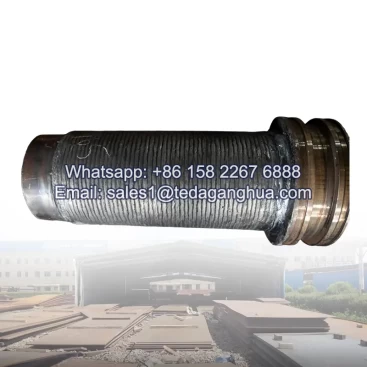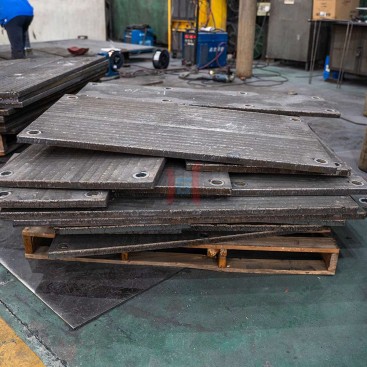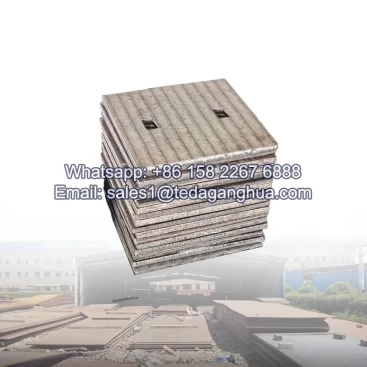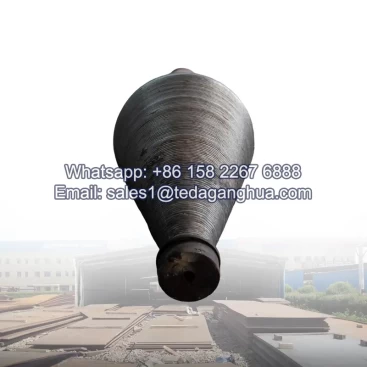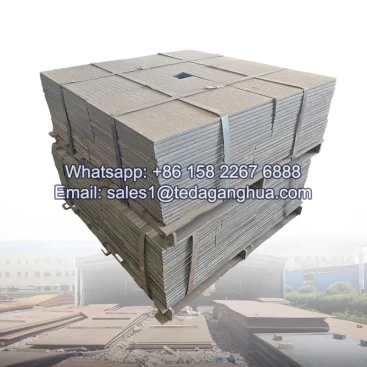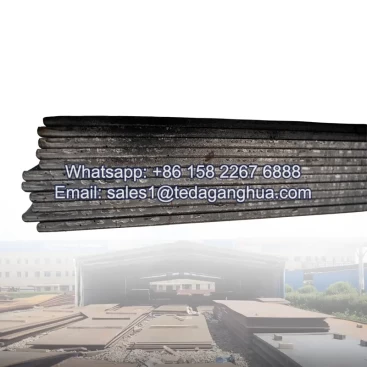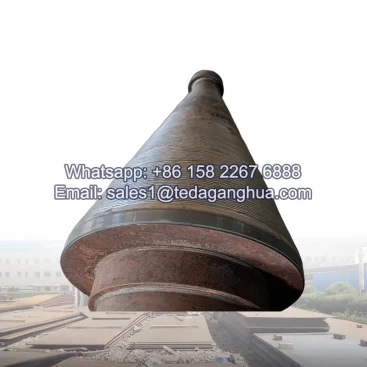
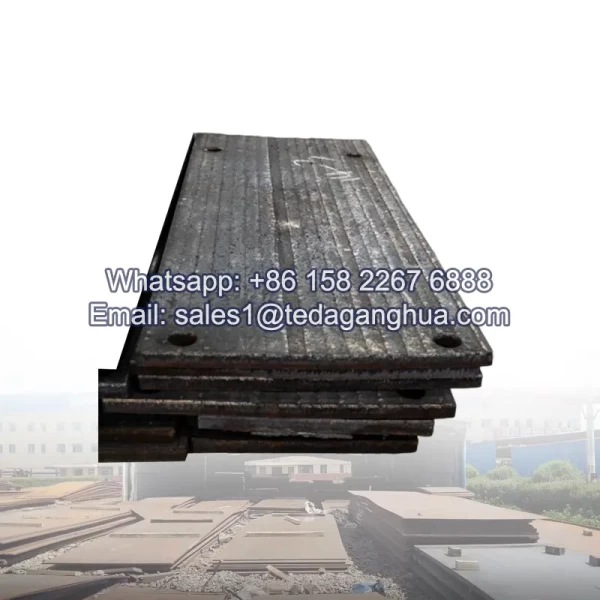


Hardfacing Wear Plate
Custom Hardfacing Wear Plates allow industries to choose the best base steel and overlay material for their specific wear and impact requirements.
By adjusting base steel grade, overlay alloy, thickness, and plate size, engineers can achieve maximum durability, toughness, and cost efficiency in extreme industrial environments.
- Description
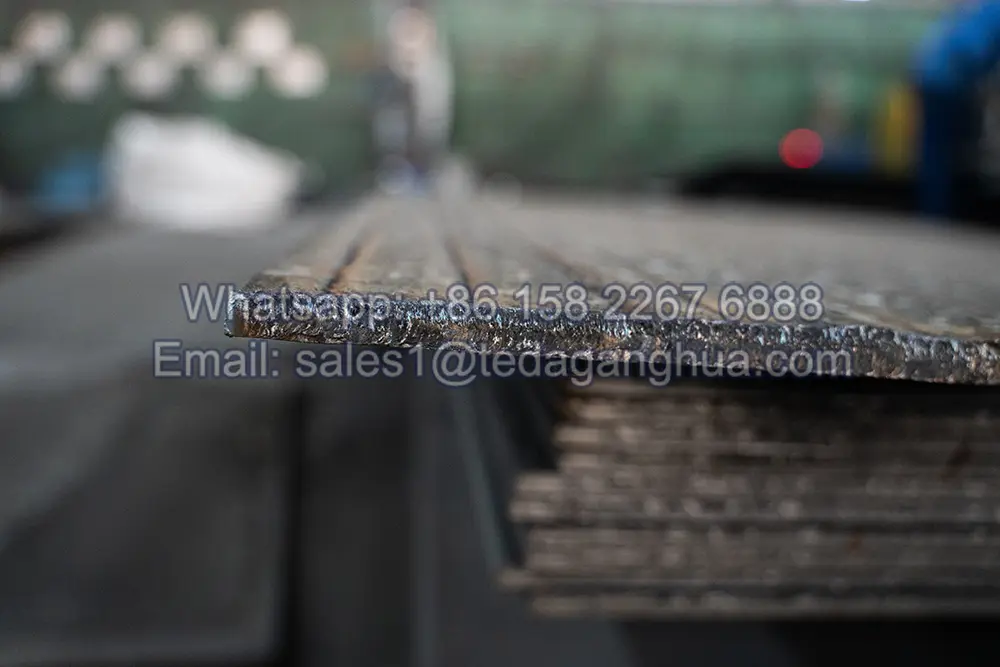
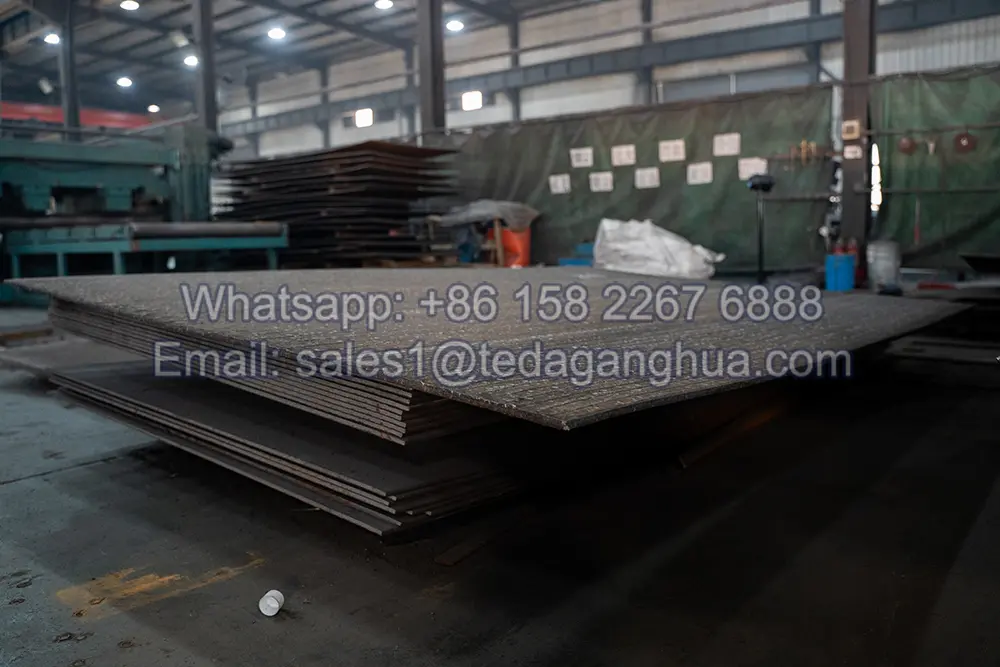
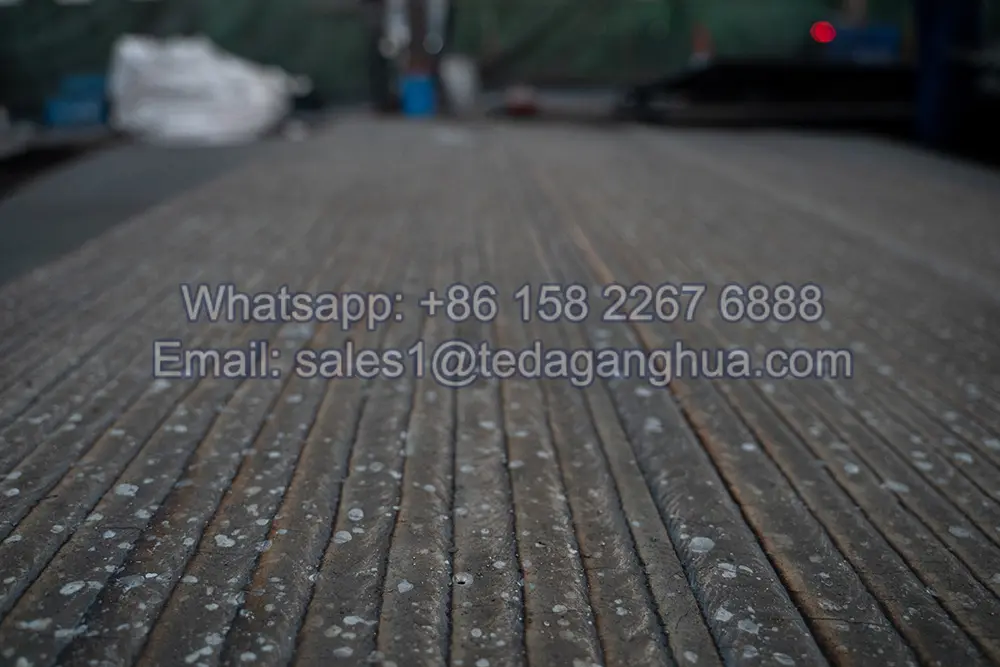
Hardfacing Wear Plates are steel plates coated with a wear-resistant hardfacing layer through overlay welding.
The combination of hard overlay and tough steel base makes these plates ideal for mining, cement, power, and material handling industries, where equipment faces severe abrasion and impact.
Customizing the materials of both the overlay and base allows engineers to optimize wear resistance, toughness, and service life for specific industrial applications.
Base Steel Materials
The base steel provides structural support, impact toughness, and welding compatibility. Common options include:
| Material | Properties | Applications |
|---|---|---|
| Q235 / Mild Steel | Good weldability, moderate toughness | Light to medium wear areas |
| NM400 / AR400 | High toughness, moderate wear resistance | Mining hoppers, chutes, feeders |
| AR450 / NM450 | Higher hardness and toughness | Crusher liners, bucket edges, impact zones |
| NM500 / AR500 | Extreme wear resistance and impact toughness | High abrasion and impact areas |
Base steel selection depends on equipment load, impact intensity, and operating conditions.
Hardfacing Overlay Materials
The overlay layer provides abrasion resistance. Common materials include:
| Overlay Material | Hardness (HRC) | Characteristics | Applications |
|---|---|---|---|
| Chromium Carbide (CrC) | 58–65 | Excellent sliding wear resistance, high hardness | Crusher liners, slurry chutes, bucket liners |
| High Carbon Steel Alloy | 50–60 | Good abrasion and moderate impact resistance | Light to medium wear applications |
| Tungsten Carbide | 60–65 | Extreme wear resistance, brittle | Small high-wear parts, precision surfaces |
| Cobalt-Based Alloy | 60–64 | Abrasion and heat-resistant | Specialized mining and power equipment |
Overlay selection depends on abrasion severity, impact load, and environmental conditions.
Customization Options
-
Overlay Thickness:
-
Typically 3–20 mm depending on wear conditions
-
Multi-pass welding builds the required thickness
-
-
Base Plate Thickness:
-
Typically 6–50 mm based on structural and impact requirements
-
-
Plate Size & Shape:
-
Width: 1000–2500 mm, Length: 2000–12000 mm (customizable)
-
-
Welding Method:
-
SAW (Submerged Arc Welding): High deposition rate, large plates
-
FCAW (Flux-Cored Arc Welding): Flexible, medium-size plates
-
SMAW (Stick Welding): Simple, small plates or field repair
-
PTA (Plasma Transferred Arc): Precise overlay with minimal dilution
-
Applications of Custom Hardfacing Wear Plates
-
Mining: Crusher liners, bucket liners, hoppers, feeders
-
Cement & Concrete: Mixer blades, screw conveyors, chutes
-
Power Plants: Coal handling systems, ash pipelines
-
Recycling & Material Handling: Shredders, impact plates, conveyor liners
Advantages of Custom Materials:
-
Tailored abrasion and impact resistance for each application
-
Longer service life and reduced maintenance costs
-
Optimized combination of overlay hardness and base toughness