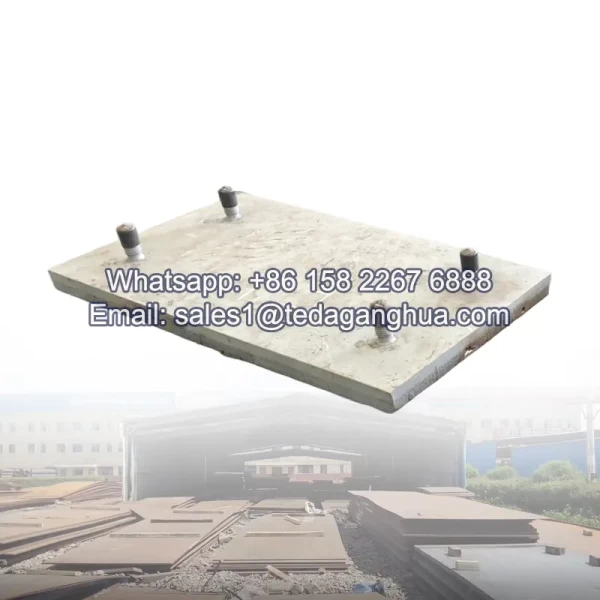
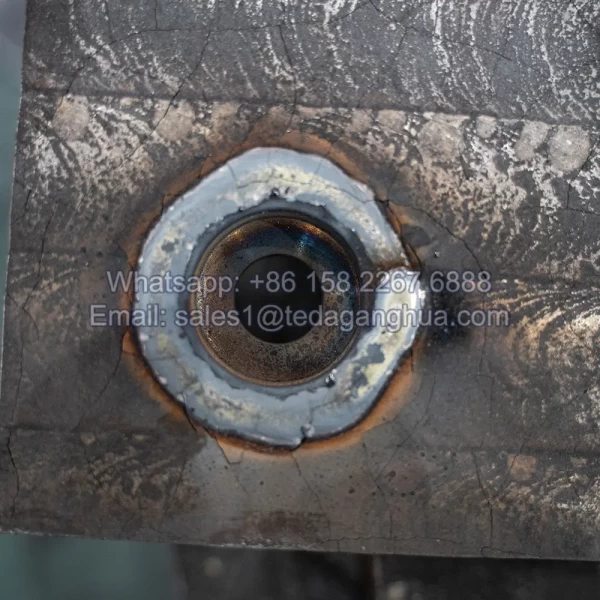
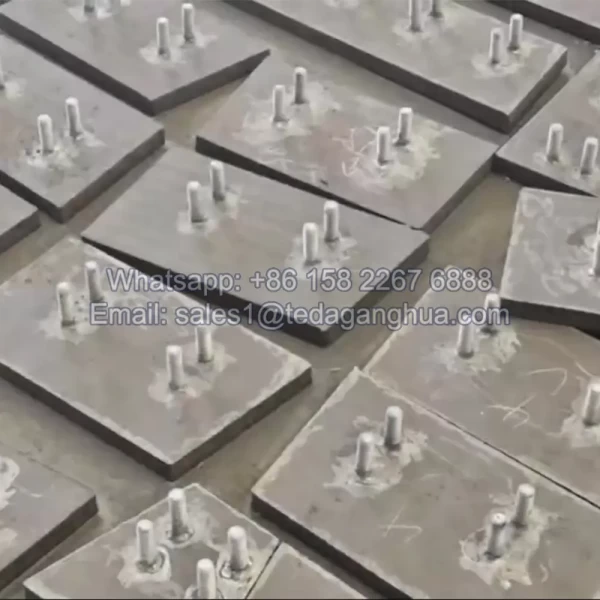
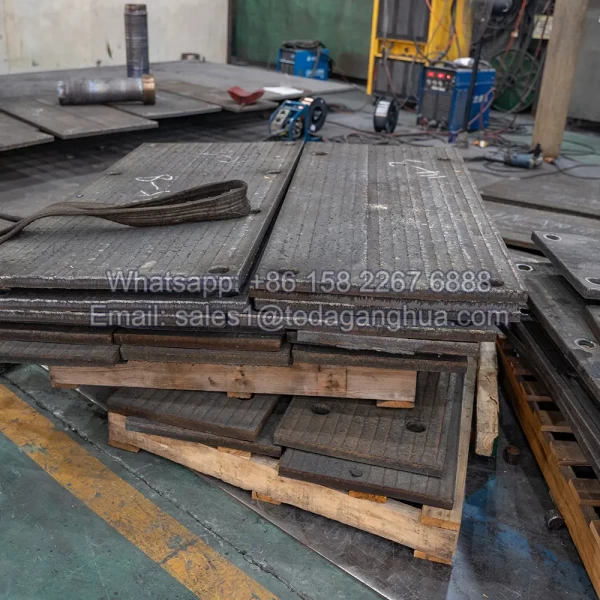
Clad Steel Plate

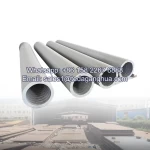
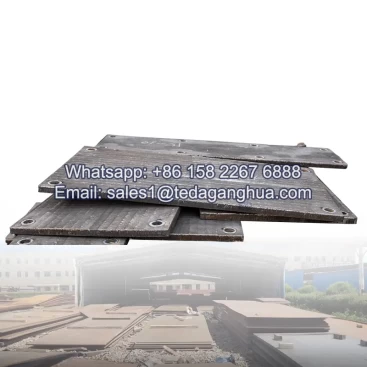
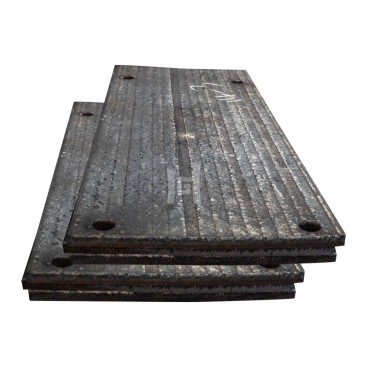
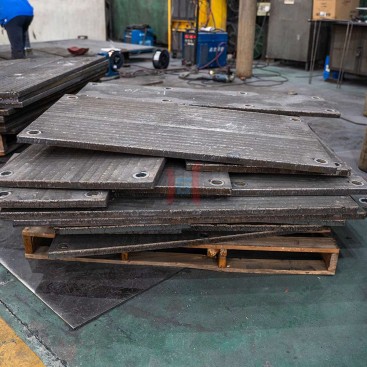
Hardfacing plates are a type of clad steel because they consist of two metallurgically bonded layers with different compositions and functions.
The base layer provides structural strength, while the carbide-rich overlay layer provides exceptional resistance to wear and heat.
This composite structure is the essence of clad steel technology—delivering the performance of multiple materials in a single, durable plate.
- Description
A Clad Steel Plate refers to a composite steel plate made by bonding two or more layers of metal materials with different properties.
The purpose of cladding is to combine the strength and toughness of the base steel with the special surface properties—such as wear resistance, corrosion resistance, or heat resistance—of the cladding layer.
One of the most common examples of clad steel in industrial applications is the hardfacing or overlay plate, often known as a Carbide or Chromium Carbide Overlay (CCO) Plate.
1. Definition of Clad Steel Plate
| Component | Description | Function |
|---|---|---|
| Base Plate | Usually made of carbon steel, low alloy steel, or stainless steel | Provides structural strength, toughness, and weldability |
| Cladding / Overlay Layer | Made of wear-resistant or corrosion-resistant alloy (such as chromium carbide, nickel, or stainless alloy) | Provides protection against wear, corrosion, and heat |
| Bonding Interface | Metallurgical fusion zone created during welding or explosion bonding | Ensures strong and permanent adhesion between layers |
The combination of these layers forms a metallurgically bonded composite plate—which is why a hardfacing plate is also considered a clad steel plate.
2. Why Hardfacing Plates Are a Type of Clad Steel
(1) Two-Layer Composite Structure
Hardfacing plates consist of a base metal (substrate) and a welded overlay layer.
The overlay—typically a chromium carbide alloy—is metallurgically bonded to the steel substrate.
This dual-layer structure is the defining feature of clad steel.
(2) Different Functional Purposes
-
The base plate provides mechanical strength, allowing the plate to withstand bending, impact, or vibration.
-
The overlay layer provides surface protection against abrasion, erosion, or high temperatures.
The combination allows the plate to maintain both mechanical integrity and surface durability, similar to other cladding technologies like stainless-clad plates or nickel-clad plates.
(3) Permanent Bonding (Metallurgical Fusion)
Unlike coatings or painting, the overlay in a hardfacing plate is not just attached mechanically—it’s fused at the atomic level through welding.
This metallurgical bond ensures the cladding layer does not peel off even under extreme wear or thermal stress.
(4) Composite Performance
The result is a steel plate that behaves as a single integrated material, but with dual performance zones:
-
Tough and ductile base layer
-
Ultra-hard and wear-resistant surface layer
This is precisely the engineering principle behind clad steel design.
3. Typical Structure of a Hardfacing (Clad) Plate
| Layer | Typical Material | Function | Hardness |
|---|---|---|---|
| Overlay / Cladding Layer | Fe–Cr–C (Chromium Carbide), Fe–Cr–Nb–Mo–C (Complex Carbide) | Provides wear and heat resistance | 58–65 HRC |
| Transition Zone | Fusion boundary | Bonds overlay and base plate | — |
| Base Plate | Mild steel (Q235, A36), low alloy steel (Q345), or stainless steel | Provides strength and weldability | 160–220 HB |
4. Comparison: Clad Steel vs Regular Steel
| Property | Regular Steel Plate | Clad (Hardfacing) Steel Plate |
|---|---|---|
| Structure | Single metal layer | Two-layer composite (base + overlay) |
| Hardness | 150–300 HB | 600–750 HV (≈ 58–65 HRC) |
| Wear Resistance | Low | Very high |
| Corrosion / Heat Resistance | Limited | High (depending on overlay alloy) |
| Service Life | Short | 5–20× longer |
| Cost Efficiency | Lower initially | Higher long-term value |
5. Types of Cladding Methods
There are several ways to manufacture clad steel, depending on the type of service required:
| Cladding Method | Description | Typical Use |
|---|---|---|
| Welding Overlay (Hardfacing) | A molten alloy is welded onto the base plate surface | Wear-resistant plates (Carbide Plates) |
| Explosion Cladding | Plates bonded using controlled explosive force | Corrosion-resistant stainless clad plates |
| Roll Bonding / Hot Pressing | High pressure and temperature diffusion bonding | Large pressure vessel plates |
| Laser Cladding / PTA | Thin, precise overlay using laser or plasma | Tooling, aerospace, and valve components |
Among these, welding overlay is the most common for carbide wear plates, as it provides high hardness and strong fusion at an economical cost.
6. Applications of Hardfaced Clad Plates
Because of their composite design, clad wear plates are widely used in industries exposed to abrasion, impact, and heat:
-
Mining and quarrying – chutes, hoppers, crushers, screens
-
Cement industry – clinker coolers, cyclones, conveyors
-
Power plants – coal feeders, ash pipelines, fan blades
-
Steel mills – sinter plant liners, transfer chutes
-
Construction machinery – loader buckets, dozer blades, mixing arms
Their dual-layer composition makes them the ideal solution for extending equipment life and reducing maintenance frequency.
7. Summary
| Feature | Clad Steel Plate (Hardfacing) |
|---|---|
| Structure | Base plate + metallurgically bonded overlay |
| Overlay Material | Chromium carbide, complex carbide, or alloy layer |
| Hardness | 58–65 HRC |
| Bond Type | Metallurgical fusion |
| Function | Combines toughness and surface protection |
| Industries | Mining, cement, power, steel, construction |