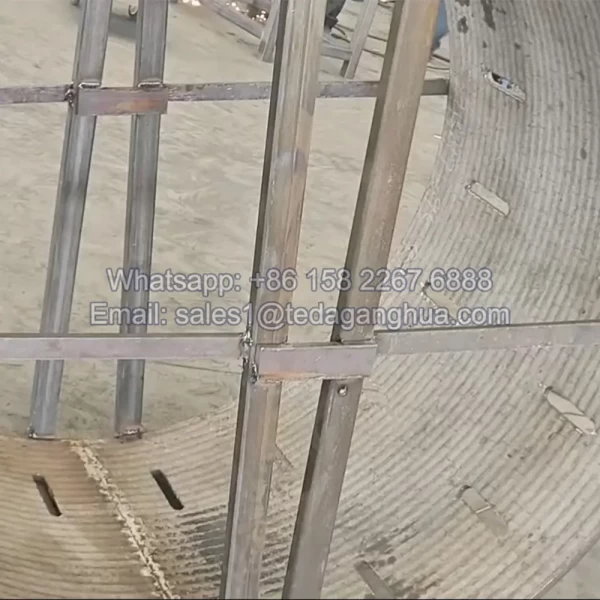
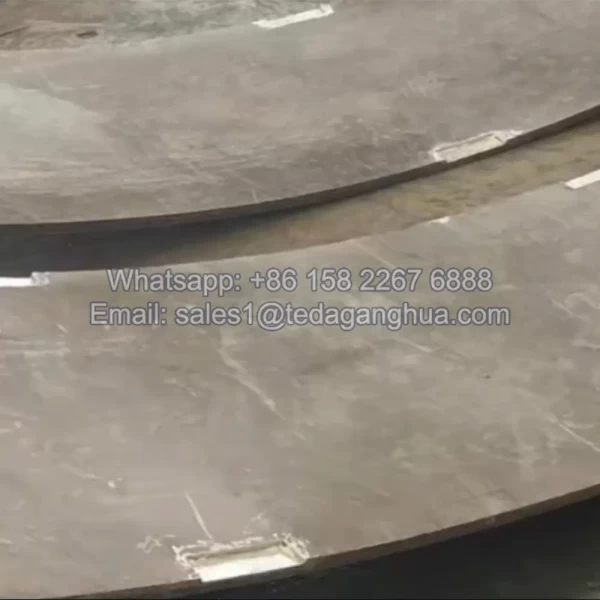
Clad Plate
-
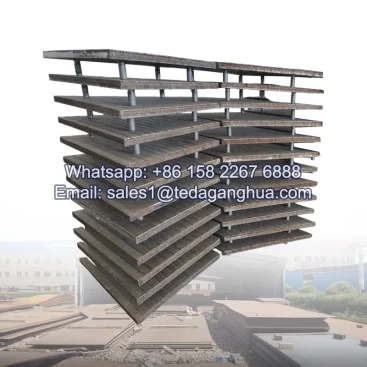
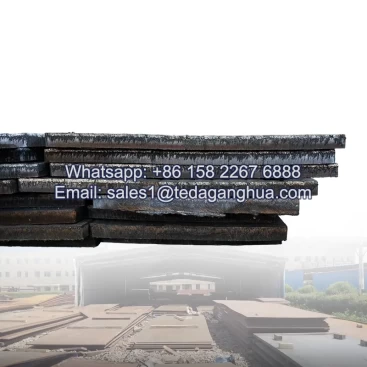
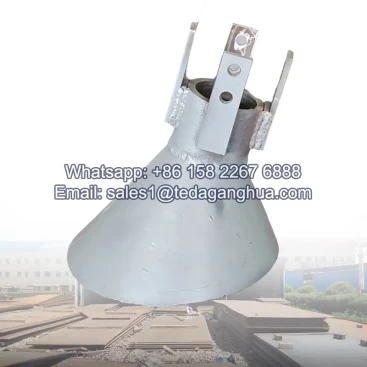
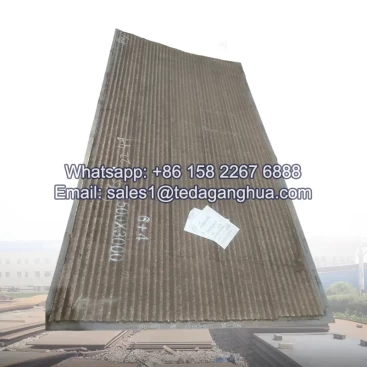
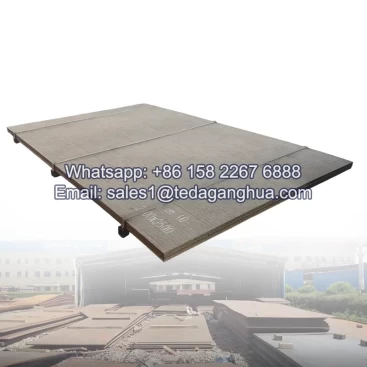
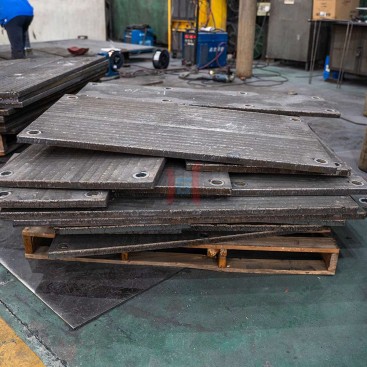
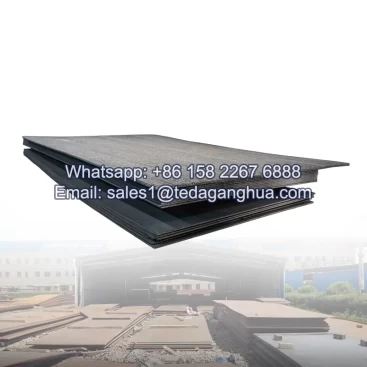
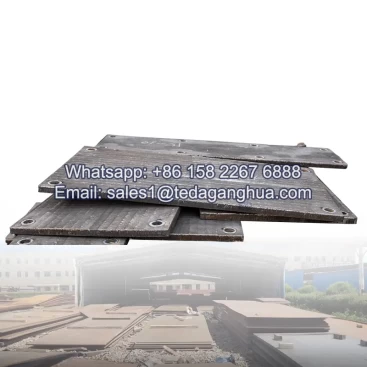
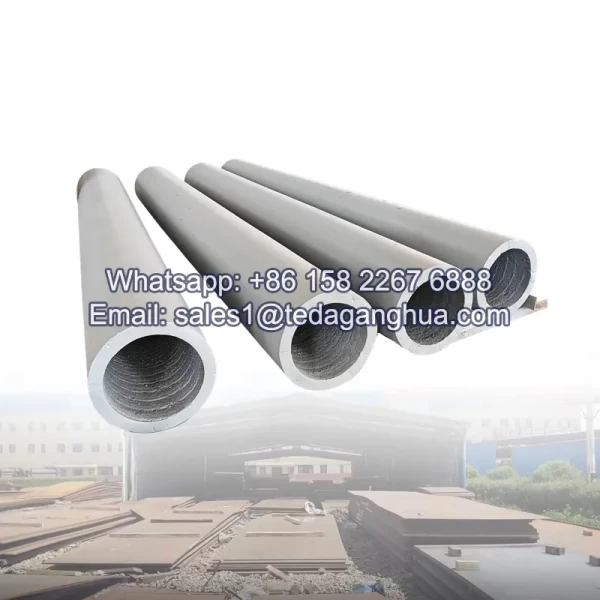
Clad plates are composite steel plates with a hard surface layer.
-
While chromium carbide is common, WC, NbC, VC, Mo-alloyed, and complex carbides are also widely used.
-
Selection depends on abrasion type, impact load, temperature, corrosion, and cost.
-
Using the right material extends equipment life, reduces downtime, and improves overall cost-efficiency.
- Description
A Clad Plate is a type of composite steel plate that combines a tough base metal with a wear-resistant overlay.
While chromium carbide (Cr₇C₃ / Cr₃C₂) is the most commonly used overlay material, modern industrial applications require a variety of wear-resistant alloys depending on abrasion type, impact conditions, temperature, and corrosion.
This article explores alternative materials suitable for producing high-performance wear-resistant clad plates.
1. Tungsten Carbide (WC)
Tungsten carbide overlay provides extreme hardness and is ideal for high-abrasion environments.
-
Hardness: 68–75 HRC (≈1500–1800 HV)
-
Wear Mechanism: Grain fracture and erosion-resistant binder
-
Best For: Slurry handling, dredging, drilling tools, sand-laden conveyors
-
Pros: Maximum abrasion resistance, long wear life
-
Cons: Brittle under heavy impact, higher cost
2. Niobium Carbide (NbC)
Niobium carbide is used in complex carbide overlays to improve toughness while maintaining hardness.
-
Hardness: 60–68 HRC
-
Wear Mechanism: Abrasion-resistant carbide particles embedded in steel matrix
-
Best For: Mining buckets, crushers, cement screw conveyors
-
Pros: Excellent impact resistance, resists cracking under heavy load
-
Cons: Slightly lower abrasion resistance than pure tungsten carbide
3. Vanadium Carbide (VC)
Vanadium carbide creates fine, dense carbides that improve surface wear resistance.
-
Hardness: 58–64 HRC
-
Wear Mechanism: Micro-abrasion resistance, fine carbide distribution
-
Best For: Cement screws, sand handling equipment, general conveyors
-
Pros: Balanced wear and toughness, reduces micro-cracking
-
Cons: Moderate hardness compared to WC
4. Molybdenum-Alloyed Carbides (Cr–Mo–C or MoC)
Adding molybdenum improves heat resistance and reduces oxidation of the overlay.
-
Hardness: 55–62 HRC
-
Wear Mechanism: Sliding abrasion at elevated temperatures
-
Best For: Clinker hoppers, high-temperature industrial processes
-
Pros: Stable hardness under heat, good wear resistance
-
Cons: Slightly lower hardness than pure Cr carbide
5. Complex Multi-Alloy Carbides
Modern wear-resistant clad plates often combine Cr, Nb, V, Mo, W carbides in a single overlay to achieve:
-
High abrasion and impact resistance
-
Thermal stability (up to 850 °C)
-
Corrosion resistance in harsh environments
Example Composition: Fe–Cr–Nb–V–Mo–C
-
Hardness: 60–68 HRC
-
Applications: Mining, cement clinker handling, crushers, transfer chutes, heavy-duty conveyors
6. Alternative Wear-Resistant Alloys
Apart from carbides, some clad plates use:
| Material | Features | Typical Applications |
|---|---|---|
| High Chromium White Iron (HCWI) | Extremely hard (65–68 HRC), abrasion-resistant | Liners, hoppers, crushing plates |
| Nickel-based alloys | Corrosion and heat resistant | Chemical industry, high-temp wear zones |
| Stainless steel overlays (Duplex / 316L) | Corrosion and mild wear resistance | Marine, slurry pipelines, chemical handling |
7. Choosing the Right Material
When selecting an overlay material for a clad plate, consider:
-
Type of wear – sliding abrasion, impact, slurry erosion
-
Operating temperature – high-temperature service favors Mo or Cr–Mo alloys
-
Corrosion conditions – Ni-based or stainless overlays
-
Cost vs performance – WC offers maximum wear life but higher cost; complex Cr–Nb–V alloys balance wear and toughness
8. Summary
| Material Type | Hardness | Main Advantages | Applications |
|---|---|---|---|
| Chromium Carbide (Cr₇C₃) | 58–65 HRC | Excellent abrasion resistance, moderate impact | Mining, cement, coal, power plants |
| Tungsten Carbide (WC) | 68–75 HRC | Extreme abrasion resistance | Slurry, dredging, drilling, sand transport |
| Niobium Carbide (NbC) | 60–68 HRC | High toughness, impact-resistant | Buckets, crushers, screw conveyors |
| Vanadium Carbide (VC) | 58–64 HRC | Fine carbide structure, balanced wear | Cement screws, conveyors |
| Mo-Alloyed Carbides | 55–62 HRC | Heat-resistant overlay | Clinker hoppers, high-temp processes |
| Complex Multi-Alloy | 60–68 HRC | All-round wear, impact, heat resistance | Severe service: mining, cement, crushers |