
Hard Wearing Steel Plate
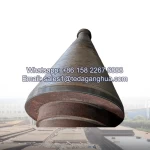
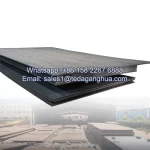
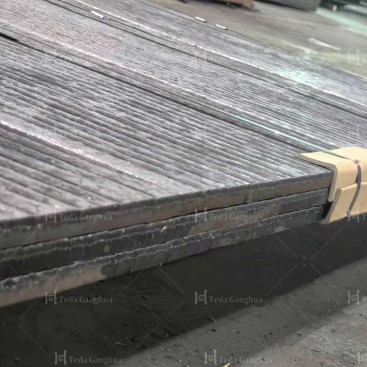
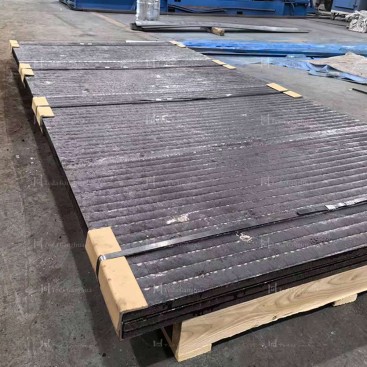
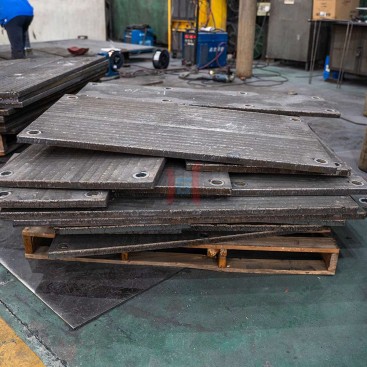
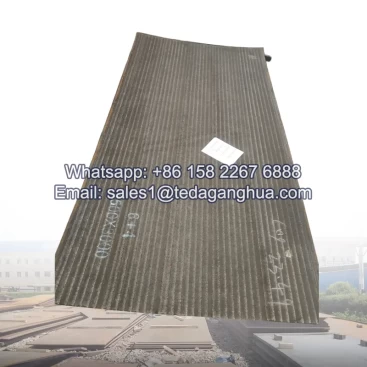
Weld-overlay hard wearing steel plate combines metallurgical bonding, high hardness, and carbide reinforcement, making it one of the most reliable solutions for combating wear in heavy-duty industries. By integrating a strong base metal with a hard facing layer, it achieves the perfect balance between strength, toughness, and surface durability — ideal for extending equipment life in demanding environments.
- Description
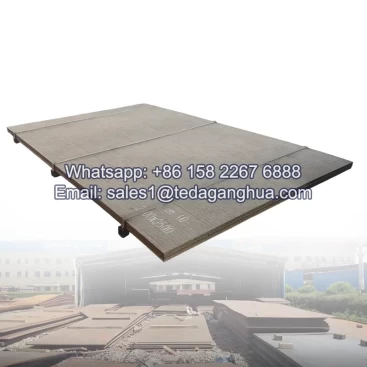
A hard wearing steel plate is a type of wear-resistant material designed to withstand severe abrasion, impact, and erosion. Among various wear solutions, weld-overlay plates—also known as chromium carbide overlay (CCO) plates—are widely recognized for their superior performance in harsh industrial environments.
Why Weld-Overlay Materials Can Be Used as Wear-Resistant Steel
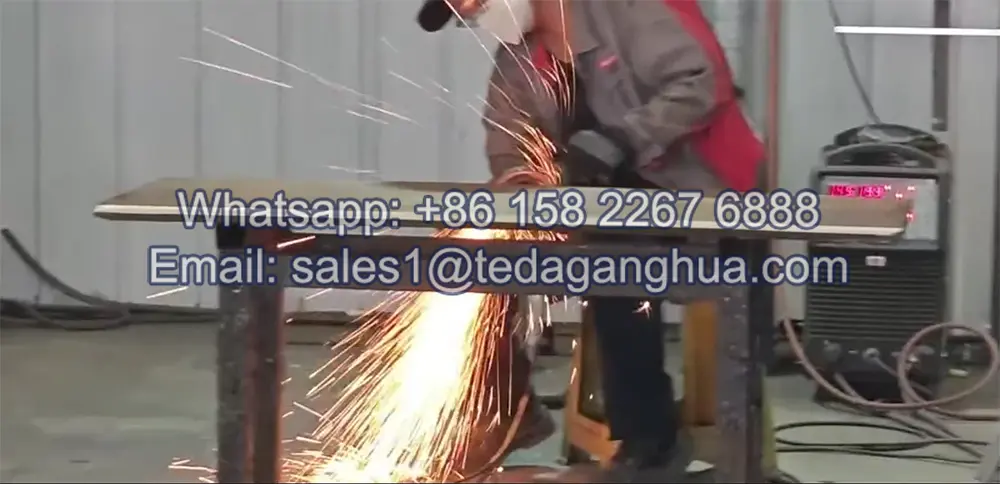
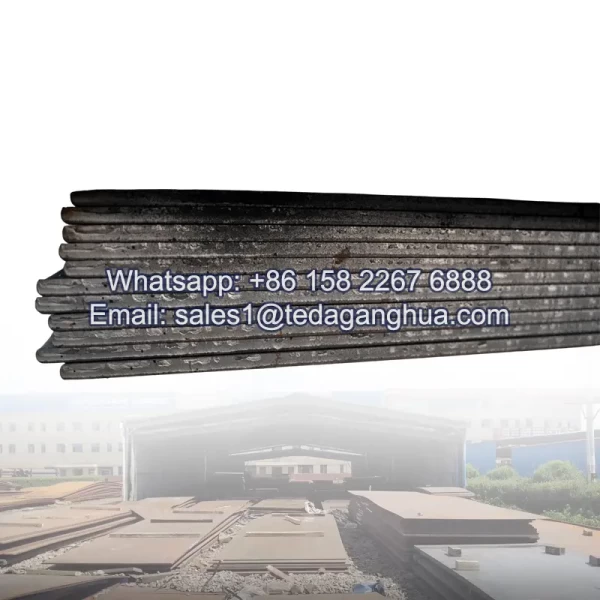
Weld-overlay materials are created by depositing a layer of hard alloy (such as chromium carbide or complex carbide) onto a steel base plate through a controlled welding process. This forms a metallurgical bond between the two layers, giving the plate a unique combination of properties: a tough and ductile base for structural support, and an extremely hard surface for wear protection.
The overlay layer contains a high concentration of chromium and carbon, which react during welding to form hard carbides (Cr₇C₃) uniformly distributed in the microstructure. These carbides are harder than most abrasives, giving the surface exceptional wear resistance even under high-stress and sliding conditions.
Typical Properties of Hard Wearing Weld-Overlay Plates
| Property / Feature | Typical Range / Description | Benefit in Wear Applications |
|---|---|---|
| Surface Hardness | 58 – 65 HRC | Provides excellent resistance to sliding and gouging wear. |
| Alloy Composition (Cr + C content) | 25 – 35% Cr, 4 – 6% C | Promotes formation of dense chromium carbides (Cr₇C₃). |
| Base Plate Material | Mild steel (Q235 / ASTM A36) | Ensures good toughness and easy fabrication. |
| Bonding Type | Metallurgical bond (weld overlay) | Prevents delamination under heavy impact or vibration. |
| Service Temperature | Up to 600°C | Maintains hardness and stability at elevated temperatures. |
| Typical Overlay Thickness | 3 – 10 mm | Adjustable according to the severity of the wear environment. |
Advantages of Weld-Overlay Hard Wearing Plates
-
Extended service life: The hard overlay layer resists abrasion far longer than conventional AR steel.
-
Structural strength: The mild steel base plate allows easy cutting, bending, and welding during fabrication.
-
Cost efficiency: Longer wear life means reduced maintenance frequency and lower downtime.
-
Custom adaptability: Overlay thickness and plate size can be tailored for specific working conditions.
-
Thermal and impact resistance: Suitable for applications involving high impact and moderate heat.
Typical Applications
-
Mining and quarrying: chute liners, screens, crusher hammers
-
Cement industry: clinker handling, fan blades, separator housing
-
Power generation: coal mill components, ash conveyors
-
Steel and foundry: sinter plant chutes, blast furnace liners